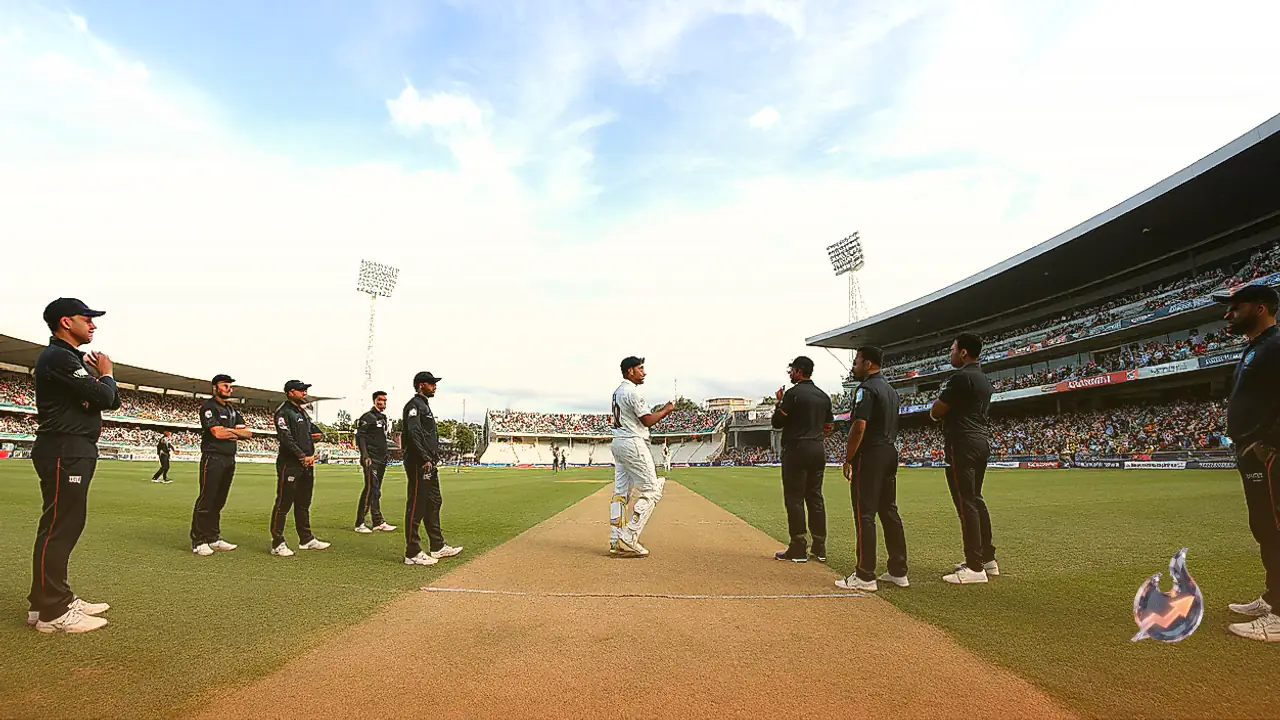




















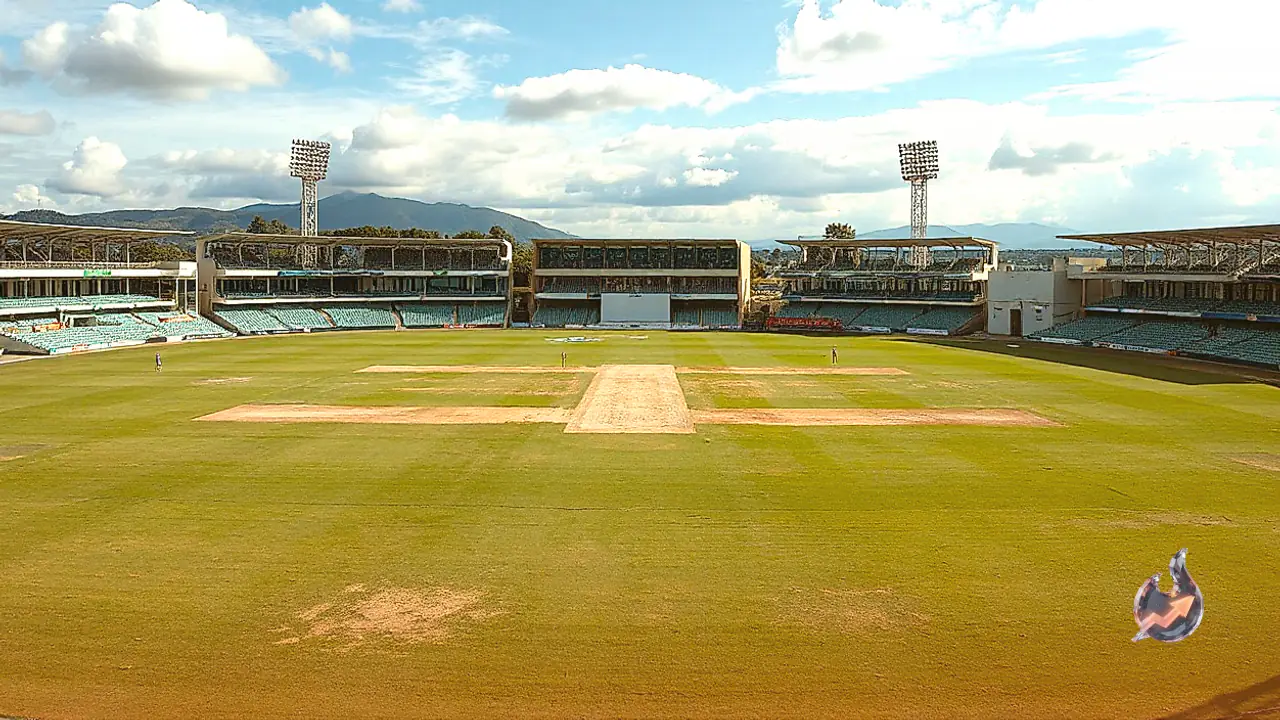

In the sport of cricket, the 22-yard strip is far more than just a patch of ground, serving as the ultimate battleground between batters and bowlers. While pitches in various regions behave differently, sometimes allowing batters to score freely and other times offering lethal movement to bowlers, New Zealand features a unique tradition of fitting pitches into the center of grounds using cranes prior to matches. In the Kiwi nation, pitches are cultivated according to specific format demands in dedicated nurseries or off-site facilities before being permanently dropped into the main stadium arenas.
The Multi-Sport Culture and the Need for Drop-In Pitches
The majority of sports venues in New Zealand are multi-purpose facilities, with rugby being played extensively across the country, which explains the widespread adoption of drop-in pitches. Unlike traditional methods where a pitch is cultivated directly on the match venue, a drop-in pitch is prepared entirely at an alternate location away from the stadium. Once the strip reaches full maturity for play, specialized machinery lifts it carefully and places it into the designated slot within the stadium bowl. This unique methodology is precisely why it is termed a drop-in pitch. The primary advantage of this system is that venues hosting rugby, football, or large concerts can remove or install the cricket strip as required, ensuring the grounds are never restricted to just one sport.
The Nursery Cultivation and Construction Process
Fabricating a high-quality drop-in pitch demands rigorous manual effort alongside advanced technical expertise. The process begins by establishing a firm structural foundation, over which specialized layers of soil are systematically laid out. Selecting the right type of soil is critical because it dictates how much bounce the ball will generate after pitching, how quickly it will reach the batter, and the degree of seam movement bowlers can extract. The soil is then compacted according to strict operational standards to ensure structural integrity. Following this, grass is grown on the surface, and it is subjected to a strict regimen of watering, mowing, rolling, and moisture regulation managed closely by dedicated turf curators throughout the growing phase.
Transportation, Installation, and Surface Leveling
Once the drop-in pitch matures in the nursery, it is lifted along with a specialized heavy-duty tray or base framework. Using powerful cranes and heavy transport equipment, the massive turf block is hauled directly into the stadium and fitted precisely into the arena's center. Following placement, ground staff meticulously level the joints between the drop-in module and the surrounding outfield to ensure players do not face uneven bounces or sudden footing issues during competitive play. It is essential to recognize that a drop-in pitch involves much more than simply moving a strip of dirt from one place to another; it requires engineering precision to maintain optimal hardness, bounce, and overall playing quality throughout an entire match.