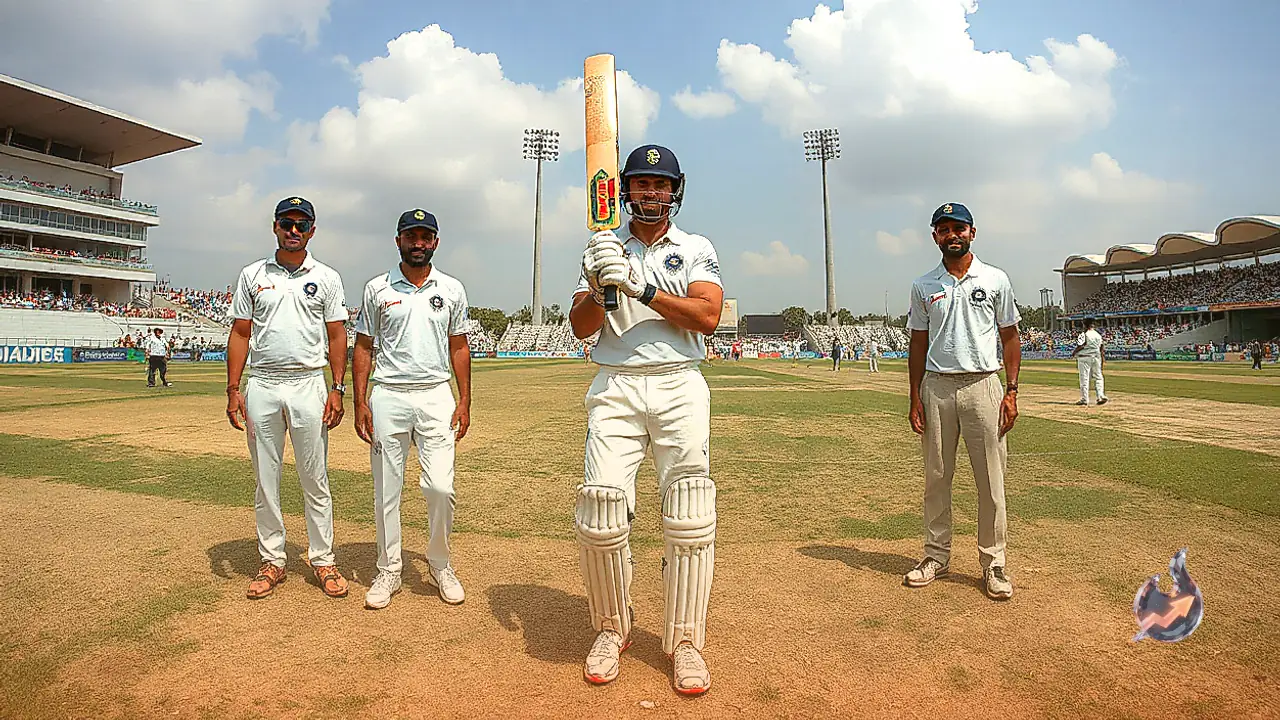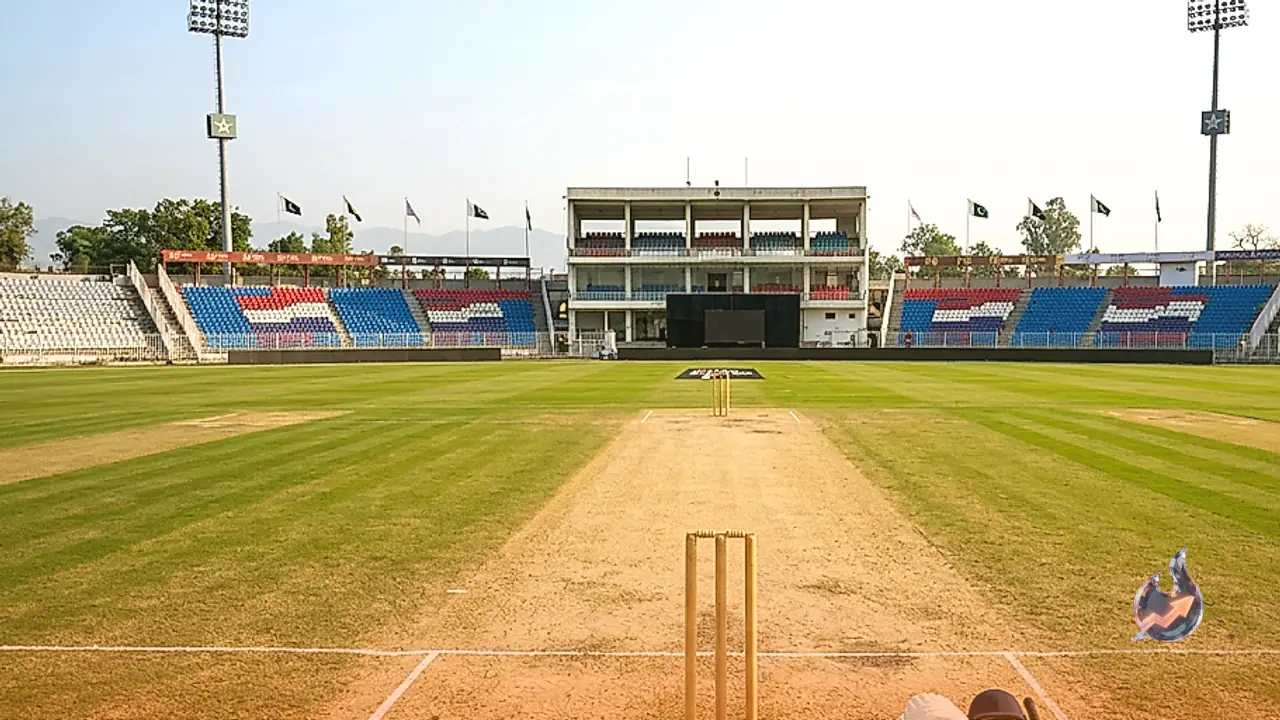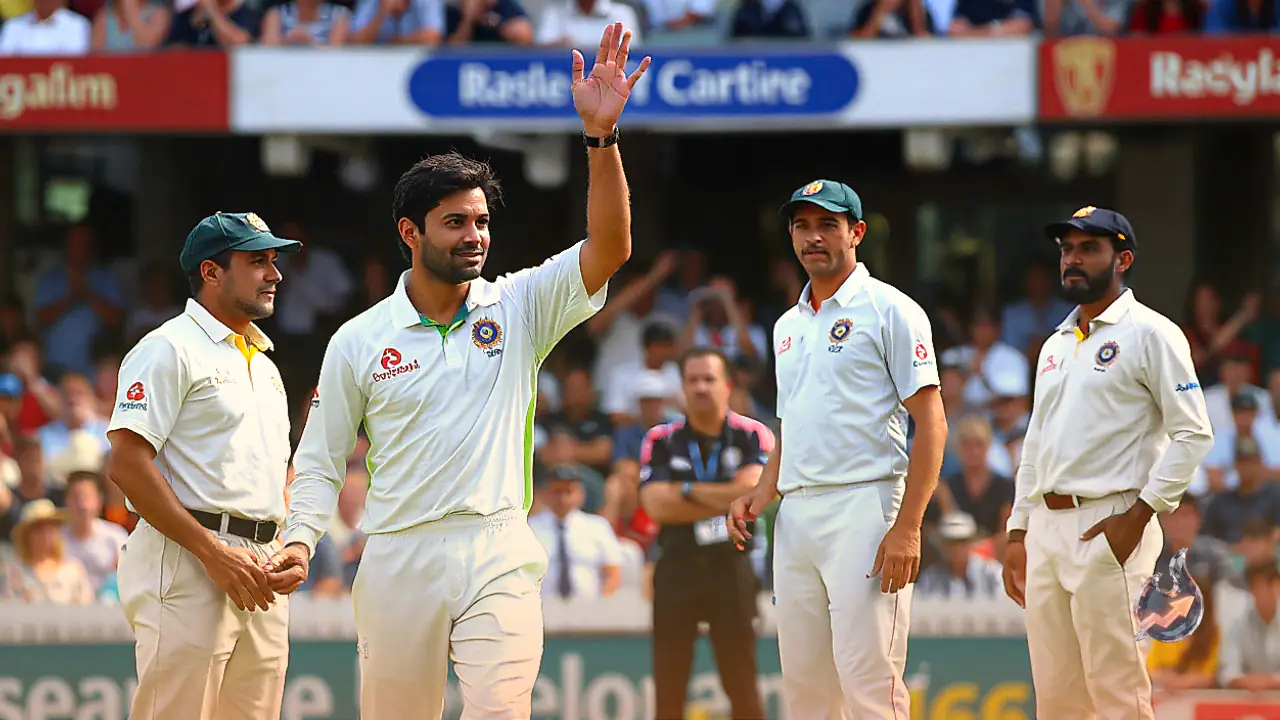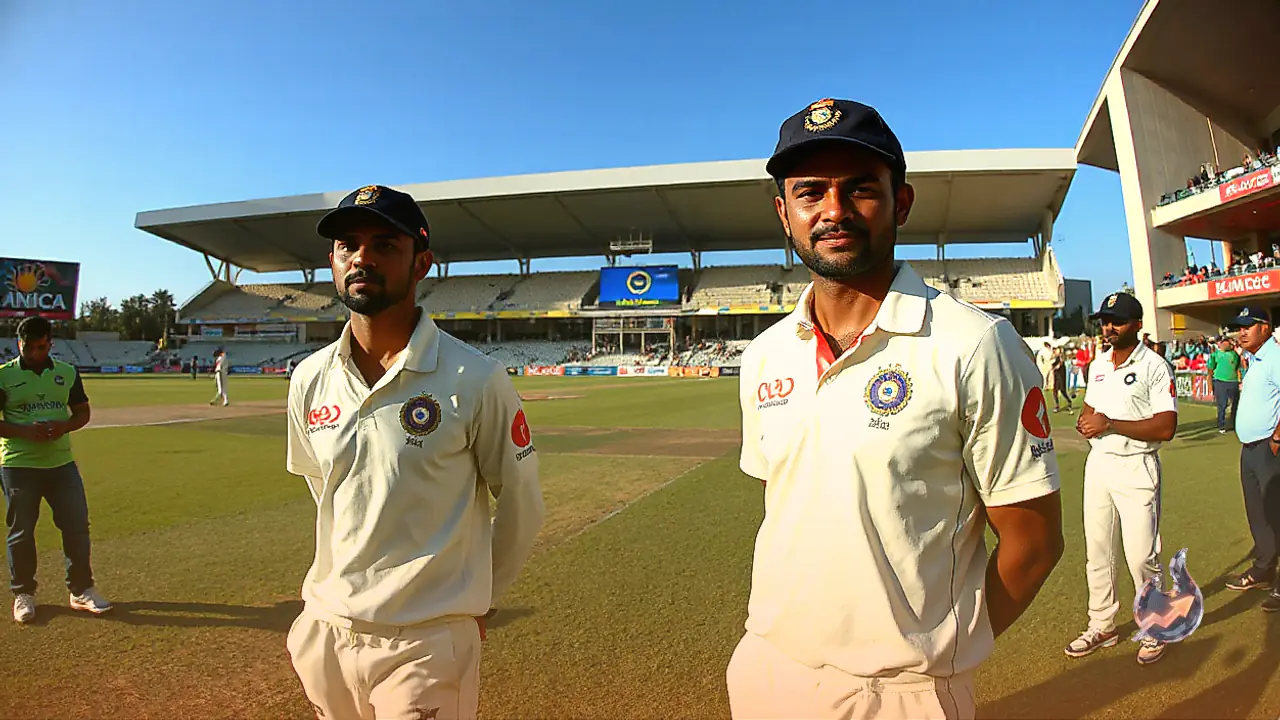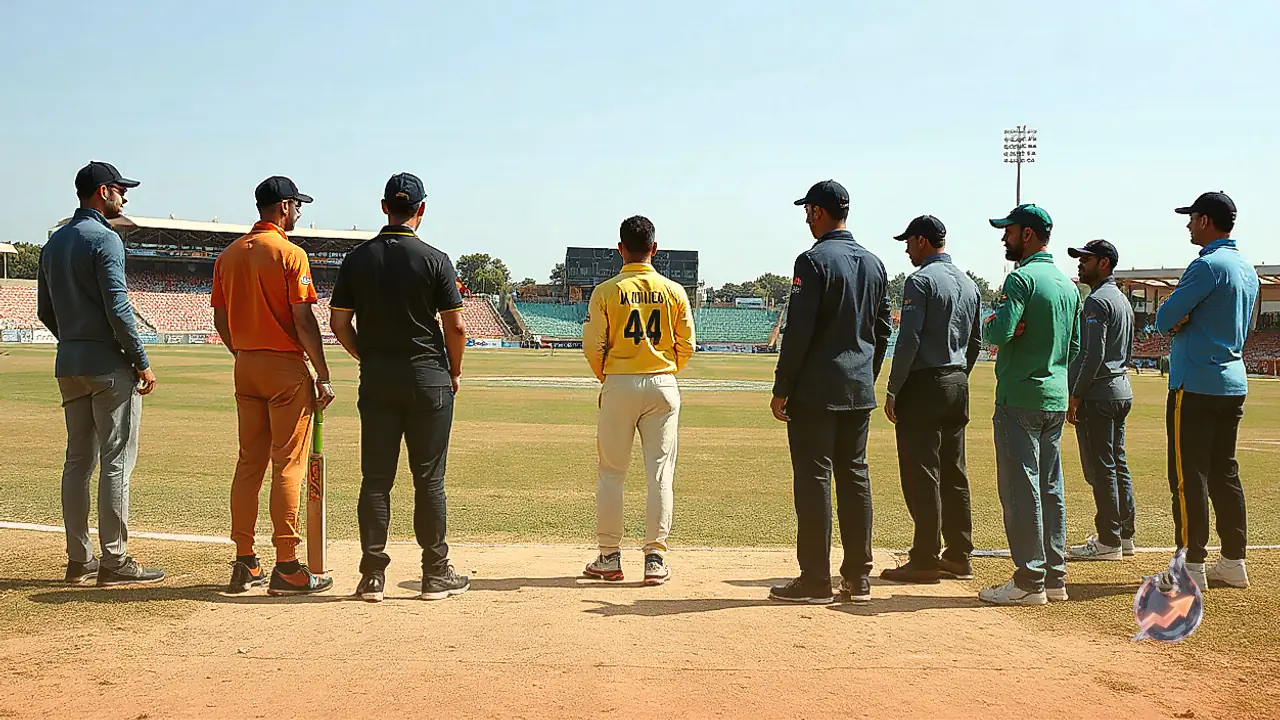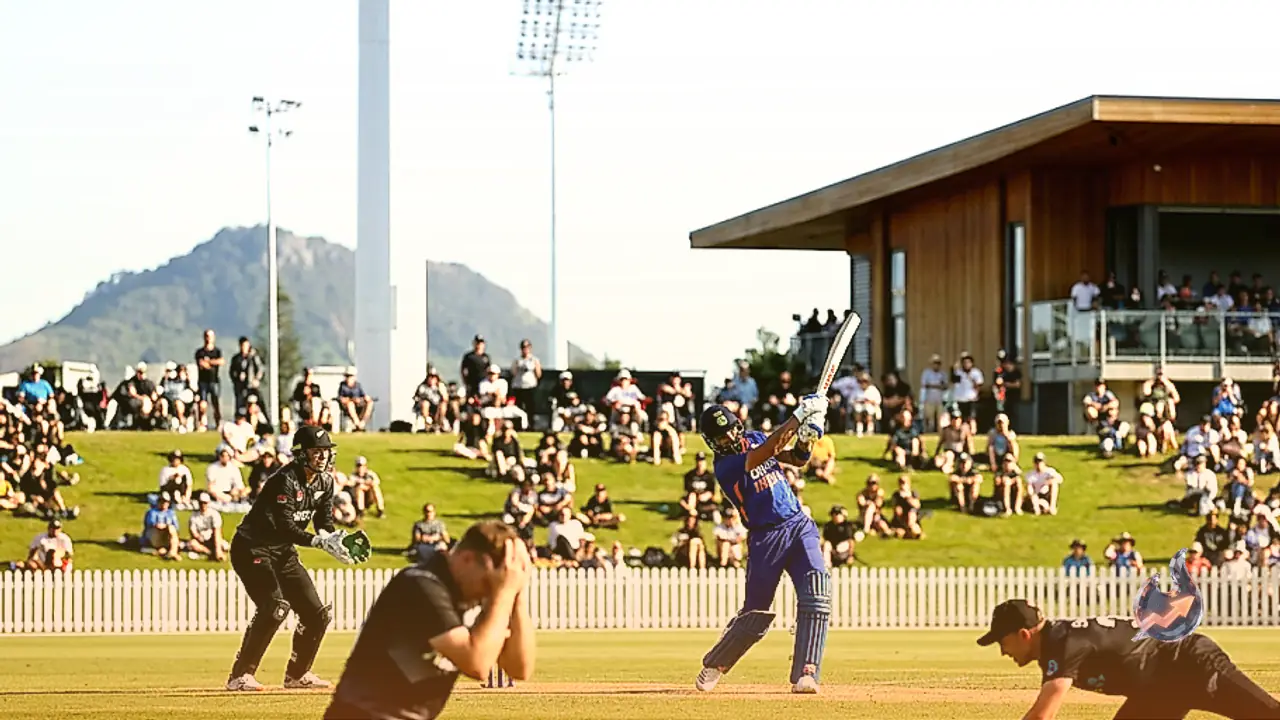



















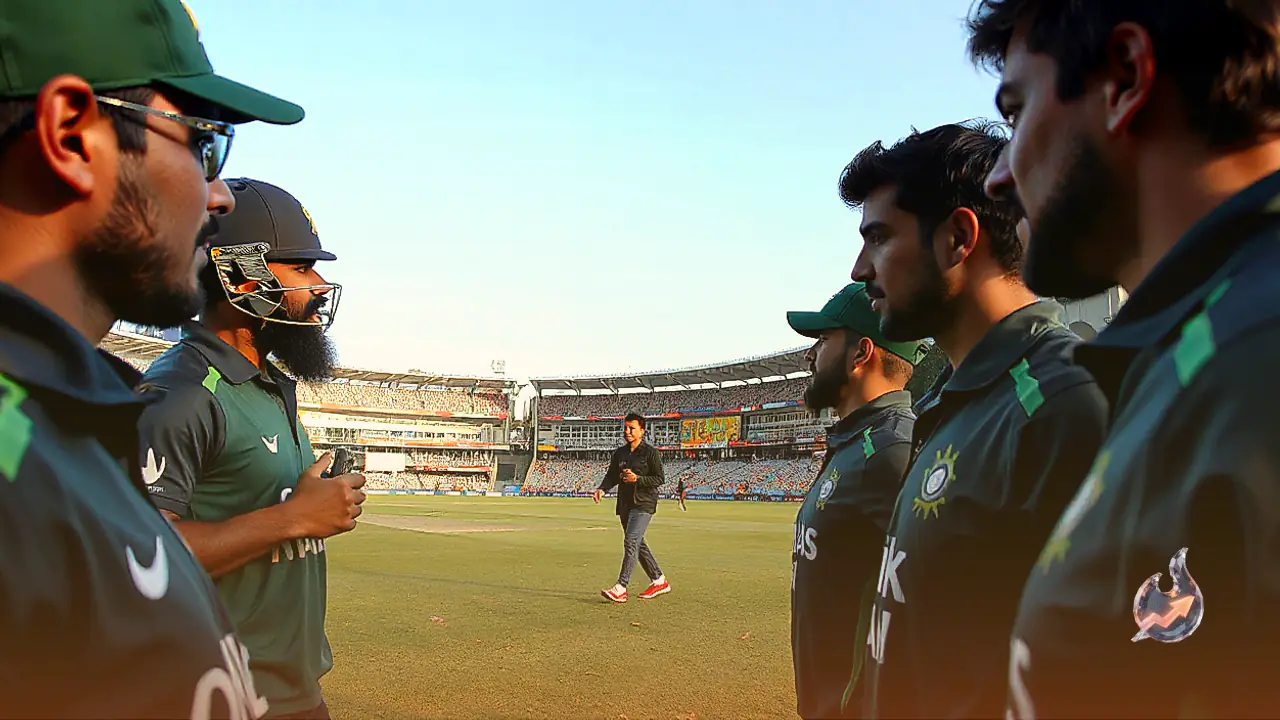

The grand finale of the U19 Asia Cup 2026 taking place in Oman is set to feature a high-voltage clash between traditional rivals India and Pakistan. The championship match is scheduled for November 14 at the Al Amerat Stadium, promising an intense and thrilling contest between the two sides. Playing under the captaincy of Ayush Mhatre, the Indian under-19 squad previously suffered a narrow 3-thicket defeat against Pakistan during their group-stage encounter. Despite that initial setback, Team India's journey to the final has been thoroughly impressive, with the side securing comprehensive victories in every subsequent match. Consequently, the Indian camp enters the title clash with a strong advantage, supported by a superior head-to-head record in youth international cricket.
Historical Dominance in Youth Cricket
Whenever India and Pakistan square off on the cricket pitch, the encounters unfailingly deliver high drama and intense finishes. The under-19 circuit has witnessed a similar rivalry over the years, with both nations locking horns across a total of 31 youth ODI format matches. Out of these encounters, the Indian side has emerged victorious on 17 occasions, while Pakistan has secured wins in 13 matches. Additionally, one fixture concluded in a tie. Within the specific context of the U19 Asia Cup history, the two teams have met in the final three times previously, resulting in one tied match alongside one title victory apiece for India and Pakistan.
Chasing a Record Ninth Title
Team India holds the unmatched record for claiming the most championship titles in the history of the U19 Asia Cup, having lifted the trophy 8 times so far. The upcoming fixture presents a golden opportunity for the squad to secure their ninth crown. India last clinched the U19 Asia Cup trophy in 2021 by defeating Sri Lanka in the summit clash. Although the team reached the final in two subsequent editions, they fell short of claiming the ultimate prize. Meanwhile, Pakistan has managed to win the U19 Asia Cup title twice, triumphing in the years 2012 and 2025.