






















Whenever a batter walks off the playing arena midway through an innings, official scorers and commentators immediately tag the event with the word retired. For many casual followers of the sport, this term is almost instinctively linked to physical pain or sudden fitness issues. However, the modern laws of cricket define two completely different avenues under this single umbrella concept. As the explosive growth of T20 cricket continues to reshape match strategies and coaching playbooks, discussions around retired hurt and retired out have become increasingly frequent. While the two phrases sound remarkably similar on the surface, the underlying mechanics, regulatory conditions, and strategic implications governing them could not be further apart.
Mid-Innings Blows and the Mechanics of Retired Hurt
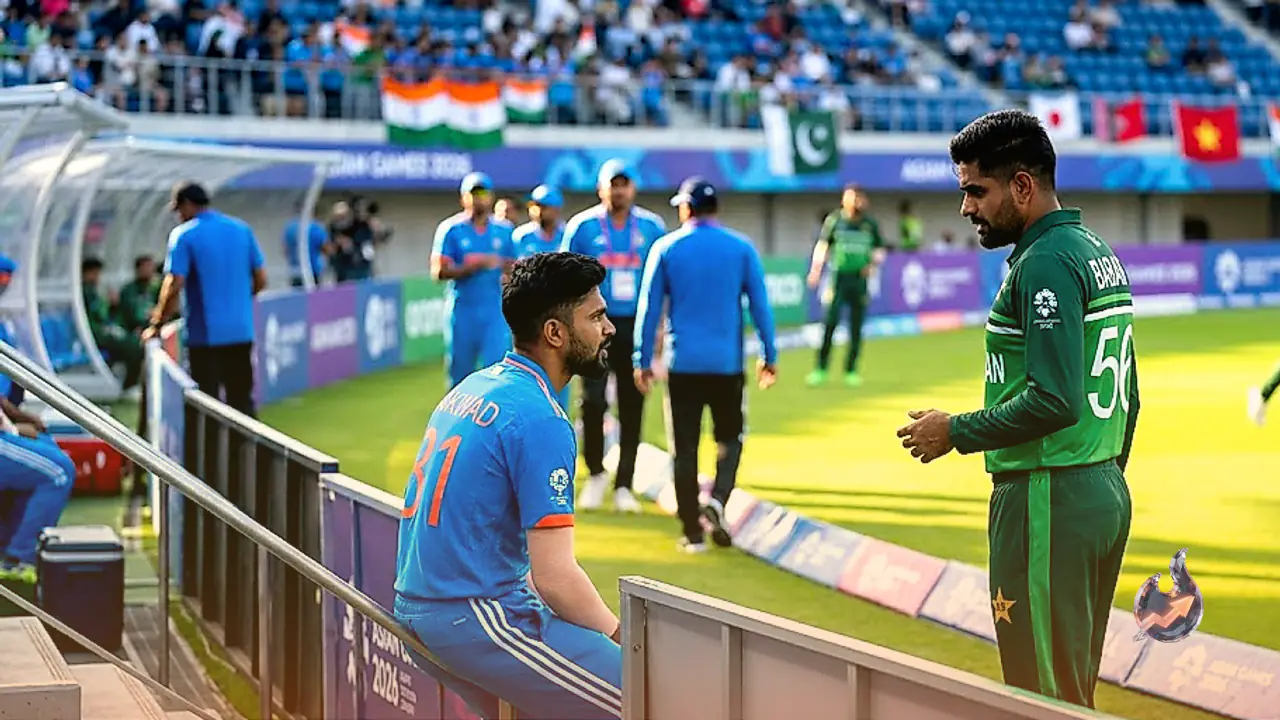
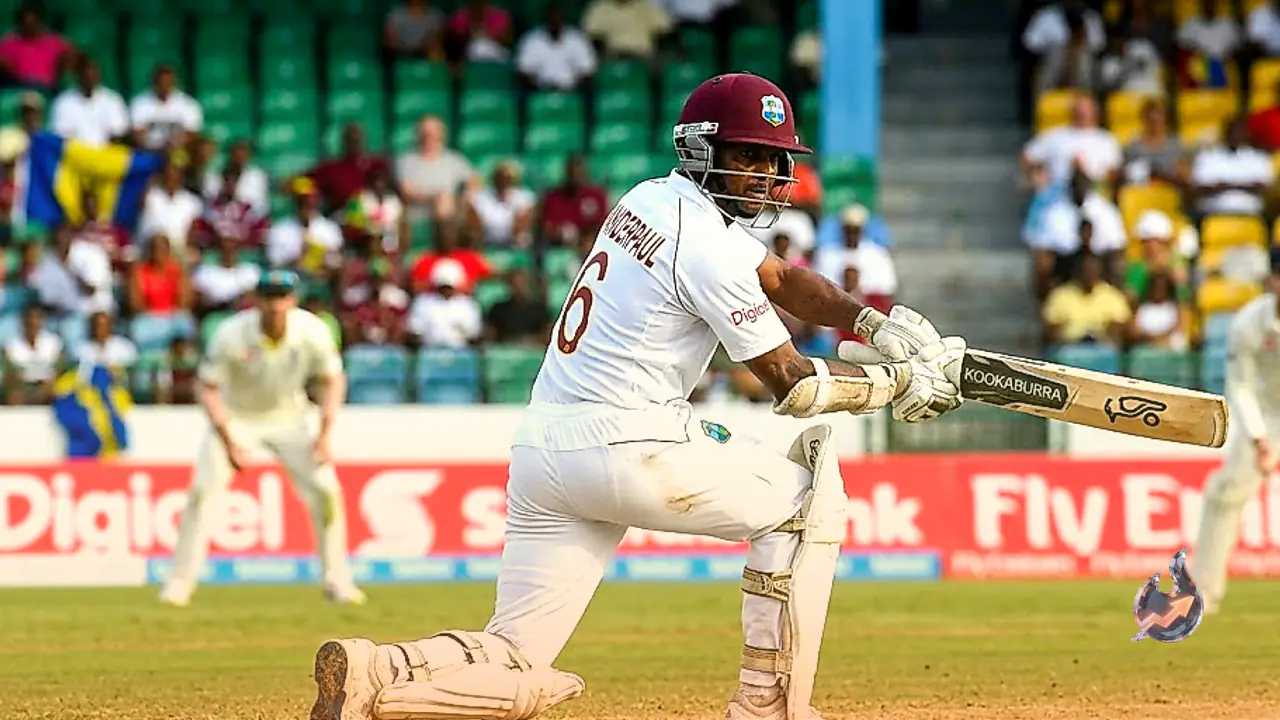
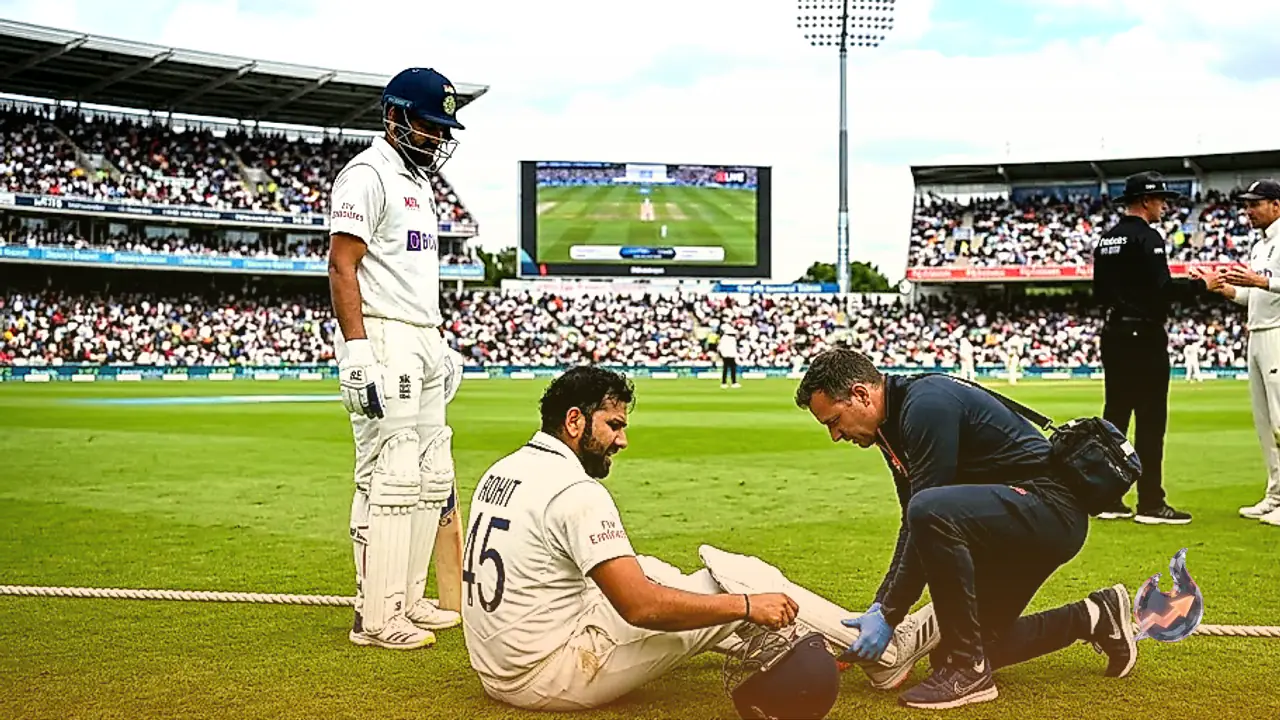
To grasp how these situations operate under real match pressure, imagine a typical passage of play in a competitive contest. A top order batter is in sublime touch, timing the ball cleanly and anchoring the chase with composure. Suddenly, an opposition fast bowler unleashes a sharp, rising bouncer that strikes the batter flush on the helmet grille or hand. The player grimaces in visible agony, prompting an immediate dash onto the field by the team physio. When medical evaluation reveals intense discomfort that makes holding the bat or focusing on deliveries unsafe, the batter informs the on-field umpires and walks back into the dugout. In official cricket parlance, this unavoidable departure is categorised as retired hurt.
The Pause Button and Resuming an Innings Later
Retired hurt represents an involuntary decision forced entirely by physical distress or an unforeseen medical setback. The defining advantage of this provision is that it acts as an official pause button for the batter's innings. Because the departure is driven by external pain rather than tactical maneuvering, the player retains the right to resume batting later in the same innings. If the treatment takes effect, the swelling subsides, or the match reaches a critical juncture in the death overs where the batting side urgently requires their expertise, the batter can walk back out to the crease upon the fall of a subsequent wicket. Furthermore, the statistical record books preserve the player's personal performance by marking them as not out, ensuring their batting average remains unaffected.
The Strategic Calculus Behind Retired Out
In stark contrast lies the modern, calculated phenomenon known as retired out. Consider a scenario where no delivery has caused physical damage and the batter is completely fit and healthy. The game has reached its deciding overs, with the batting team requiring 40 runs from the final 3 overs to secure a high-stakes victory. Out in the middle, an established batter is struggling to find the middle of the bat, playing out costly dot balls while the required run rate climbs precipitously. Recognising that every wasted delivery hurts the collective effort, either the team management or the batter themselves decides that occupying the crease is no longer productive. The batter signals to the match umpires and walks off the field unassisted without having sustained any injury.
Permanent Departure and Sacrificing for the Team
This deliberate exit is what cricket regulations formally classify as retired out. Unlike a medical withdrawal, this is a calculated tactical gamble executed specifically to accelerate the scoring rate. However, the move comes with uncompromising regulatory strings attached. Once a cricketer chooses to walk off as retired out, they cannot return to bat under any circumstance during that innings. The exit is final and unalterable. In the official scorebook, the batter is formally recorded as out, directly impacting their individual statistical ledger. It functions as a deliberate sacrifice, clearing the stage so that a fresh, aggressive boundary hitter waiting in the dugout can stride out and target big shots from ball one.
Evolution from Unorthodox Choice to Mainstream T20 Weapon
Decades ago, voluntarily abandoning the crease during a match was viewed as an eccentric anomaly, often attracting skepticism from traditionalists who perceived it as an admission of personal struggle. However, the relentless demands of T20 cricket and high-intensity leagues like the IPL have elevated tactical nuance over traditional optics. Team analysts, captains, and coaches now celebrate the move as a selfless, high-IQ cricketing decision aimed solely at securing team success. To sum up the contrast plainly: retired hurt is a temporary, injury-induced pause that keeps the door wide open for a comeback, whereas retired out is a decisive tactical substitution where the batter willingly places a permanent full stop on their own innings.