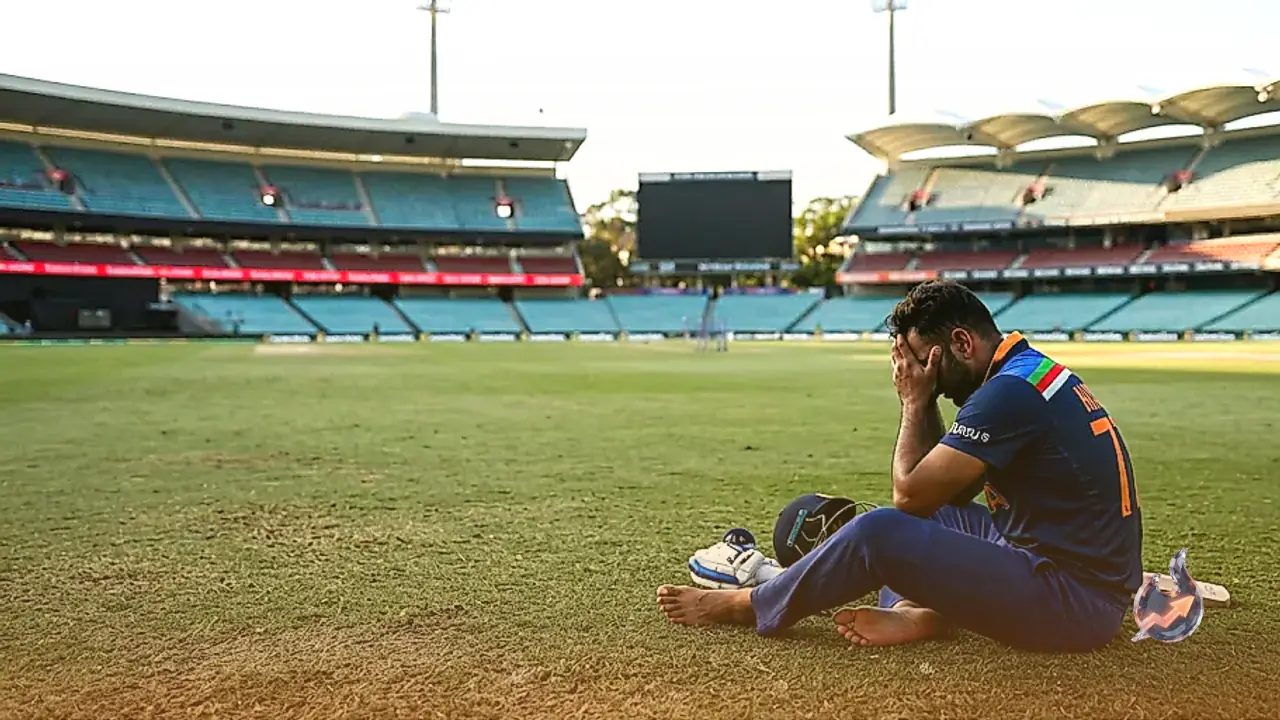




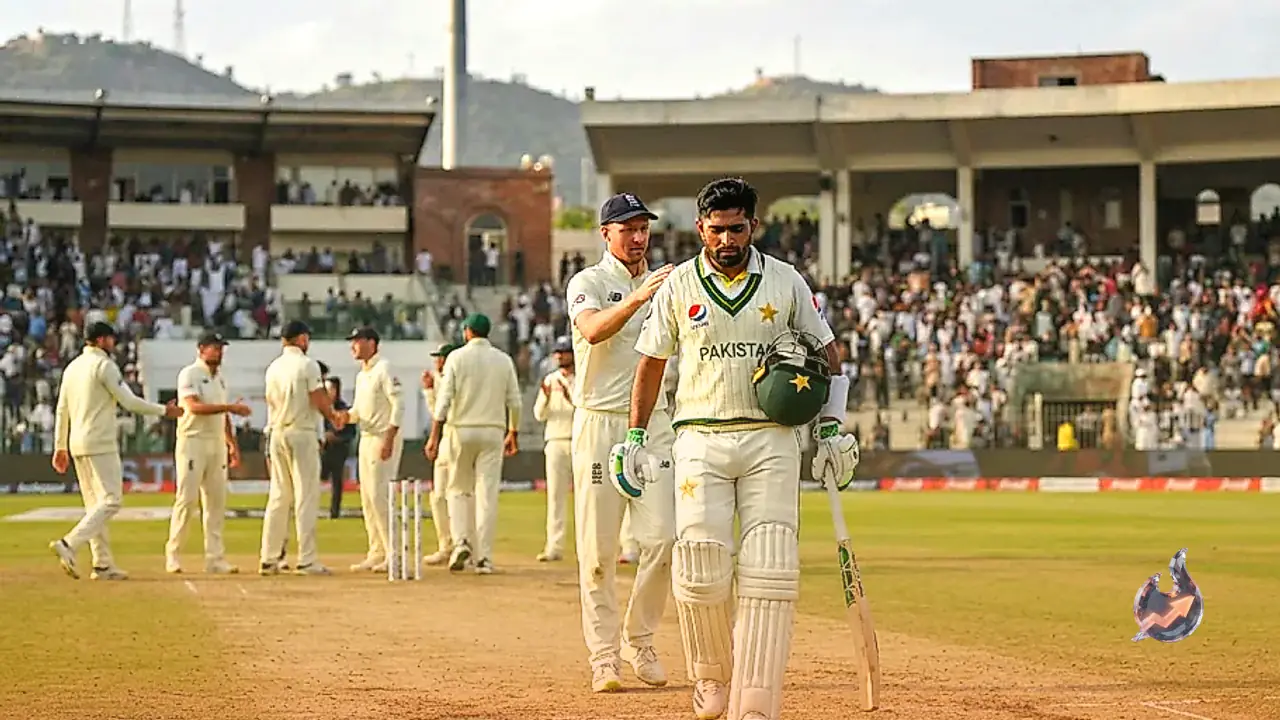


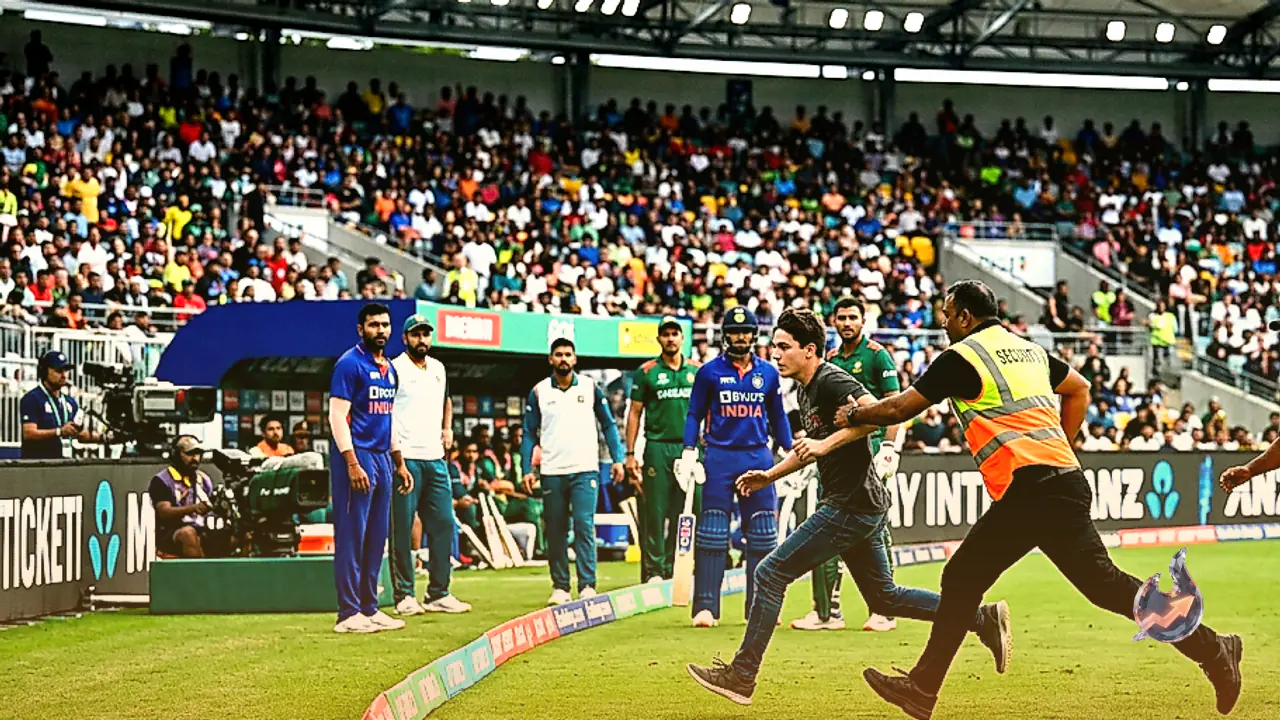
















Following a commanding 244-run victory in the fourth ODI on Friday, New Zealand pace spearhead Matt Henry highlighted the exceptional discipline shown by his bowling unit throughout the entire series. He noted that their relentless pressure successfully rattled a world-class batting lineup like India's. Chasing a daunting target of 334, the Indian side was bundled out for just 89 runs, with Henry delivering a stellar performance by claiming 6 wickets while conceding 27 runs.
Exerting Pressure With the New Ball
Speaking at the post-match press conference, Henry explained that the primary objective for the bowling attack was to maintain sustained pressure from the very beginning. He pointed out that their productivity with the new ball has been a standout feature of the tour. Although they did not secure wins in the opening two fixtures, he emphasized that those outings already demonstrated their capability to trouble the opposition, a plan they executed to perfection in this latest encounter.
Removing India's Senior Batters
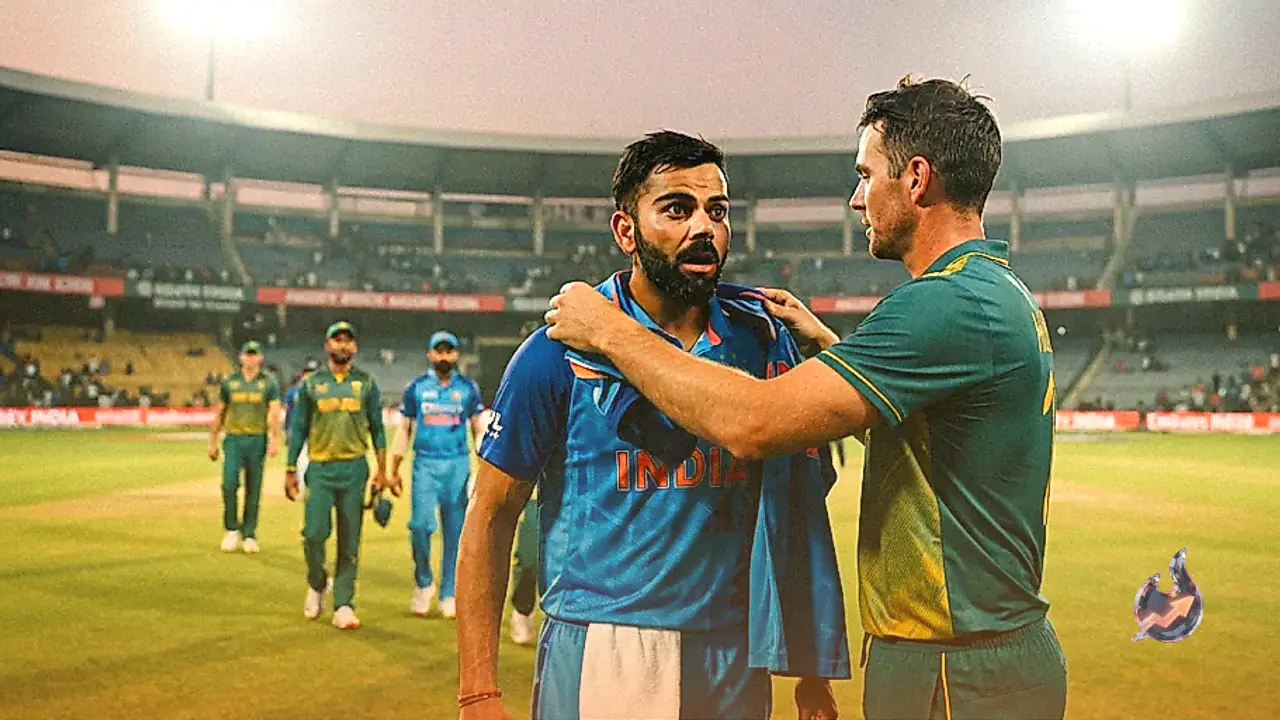
Henry made a devastating impact right from the start by dismissing Rohit Sharma, Virat Kohli, and captain Shreyas Iyer for ducks in the opening over. Explaining the significance of those breakthroughs, he stated that removing seasoned players early is vital because they possess the experience to turn a match around in a hurry. Having recently returned to the squad following an injury layoff, Henry admitted he is eagerly anticipating the upcoming Test series against India. He also expressed genuine appreciation after receiving a special jersey from Virat Kohli after the game, describing the star batsman as a wonderful person and a world-class competitor.
Carrying Red-Ball Momentum Forward
Ranked third in the ICC Test bowling rankings, Henry is fully prepared to make a significant statement when the red-ball fixtures commence. Having already accumulated 152 wickets in Test cricket, his recent masterclass serves as a stark warning for the visiting batters, who will need to adopt a cautious approach as the red-ball leg approaches.