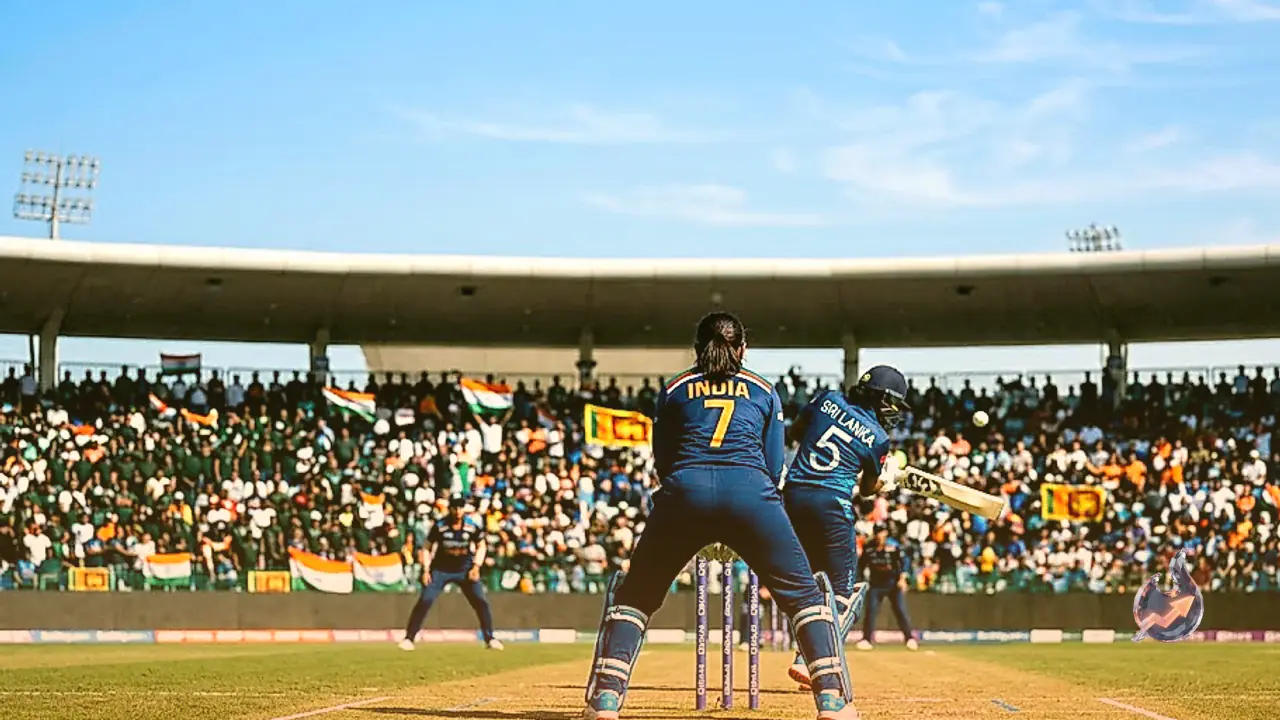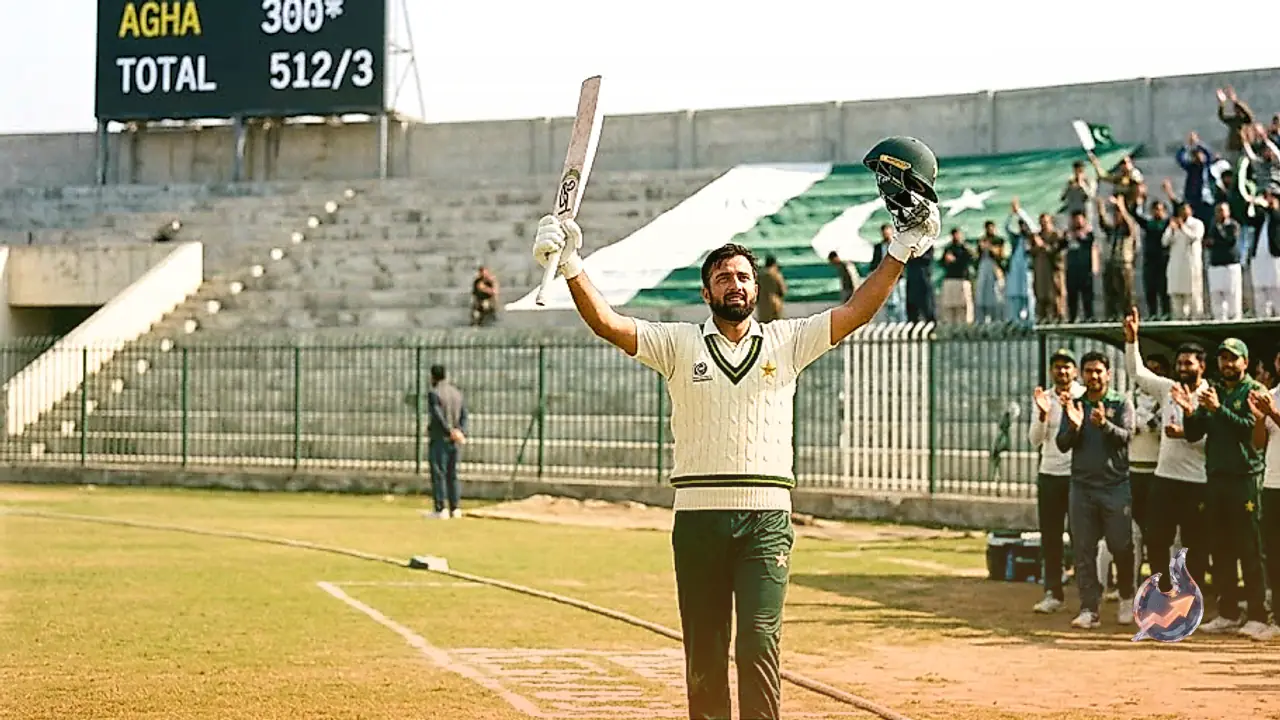
























In modern cricket, a batsman's caliber is often judged by their ability to send the ball sailing over the boundary ropes. The contemporary era is defined by powerplays, heavy bats, and shortened boundary boundaries, making six-hitting a routine sight. Players like Harry Brook display aggressive strokeplay across all corners of the ground, while young talents such as Vaibhav Suryavanshi make a name for themselves through high-risk aerial shots. In this fast-paced environment, public discussion centers more on how quickly and forcefully a player hits rather than how long they hold their ground at the crease.
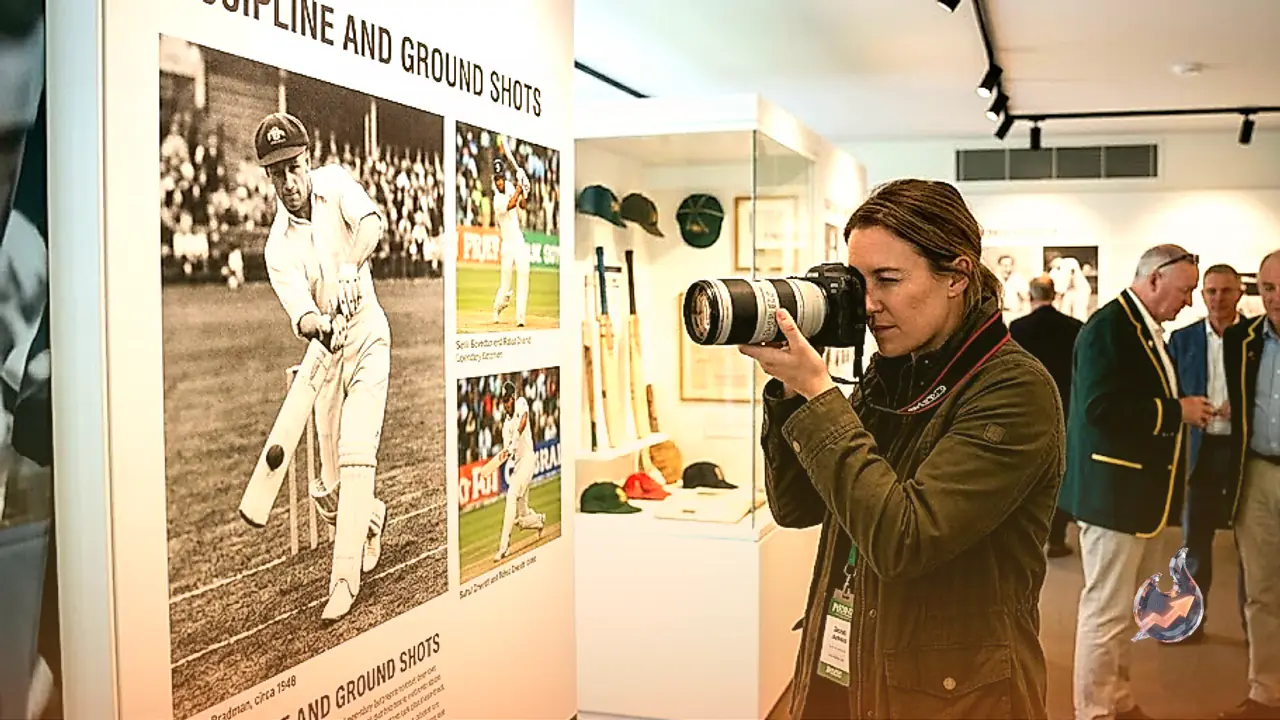
Don Bradman and the Philosophy of Ground Shots
Cricket history has seen a golden period where greatness was defined by keeping the ball firmly along the turf rather than lofting it into the air. The ultimate symbol of this disciplined approach was Sir Don Bradman. Over his legendary career, Sir Don Bradman scored 6,996 runs at an astonishing average of 99.94, yet he hit only 6 sixes across his entire tenure. Sir Don Bradman maintained that playing aerial shots unnecessarily elevated the risk of getting out, prompting him to rely almost exclusively on grounded shots to build his record innings.
Jonathan Trott: 52 Tests Without a Single Six
Occupying the top spot among specialists who avoided aerial risks is England's dependable number 3 batsman, Jonathan Trott. Renowned for his solid defensive technique and uncanny patience, Jonathan Trott amassed 3,835 runs across 94 innings in 52 Test matches for England, including 9 centuries. Remarkably, throughout his entire Test career, he did not clear the boundary for a single six, focusing instead on rotating the strike and finding the fence with grounded fours.
Kim Hughes: 70 Tests of Resilience for Australia
Former Australia captain Kim Hughes was celebrated for his sound technical skill and courage under pressure. Facing the formidable fast bowlers of the West Indies without fear, Kim Hughes crafted an impressive international record. He featured in 70 Test matches for Australia, scoring 4,411 runs that featured 9 centuries and 22 half-centuries. Across 124 Test innings, he never recorded a single six, proving that top-tier pacers could be negated entirely with classic ground strokes.
Thilan Samaraweera: The Middle-Order Anchor of Sri Lanka
Serving as the backbone of Sri Lanka's middle order, Thilan Samaraweera earned widespread respect for his composure and measured approach. Often rescuing his team from precarious situations, Thilan Samaraweera accumulated 5,462 runs in 81 Test matches at a superb average of 48.76, including 14 centuries. Over his extensive career, he struck just 7 sixes, prioritizing steady accumulation and team stability over high-risk lofted shots.
Mudassar Nazar: 76 Tests and 7 Sixes as an Opener
Former Pakistan opening batsman Mudassar Nazar was known for his capacity to occupy the crease for hours and exhaust opposing bowling attacks. Despite facing the new ball where scoring opportunities against the hard leather are plentiful, Mudassar Nazar refrained from taking unnecessary aerial risks. In 76 Tests for Pakistan, he scored 4,114 runs while striking a mere 7 sixes, epitomizing the classic opener's discipline.
Glenn Turner: Classical Masterclass in 41 Tests
Regarded as one of New Zealand's finest batsmen, Glenn Turner built his career on an unblemished defensive foundation. Across 73 innings in 41 Test matches, Glenn Turner scored 2,991 runs while recording only 6 sixes. As a staunch advocate of the traditional school of batting, his approach highlighted the value of staying put at the crease and letting grounded shots do the work.
Technique and Discipline Beyond Power Hitting
In an age dominated by high impact strategies where hitters attempt boundary hits from their very first ball, the legacy of Sir Don Bradman and these five specialists offers an enduring lesson. Their careers demonstrate that Test cricket remains a test of patience, technical purity, and discipline rather than raw force alone, proving that true cricketing greatness can be attained without taking to the air.