
Myanmar-based drug cartels, suffering massive financial losses due to strict clampdowns by Indian security agencies against narcotics trafficking, are now turning to terrorist organizations to rebuild and strengthen their shattered networks. According to intelligence inputs, these cartels from Myanmar are attempting to collaborate with Harkat-ul-Jihad-al-Islami and its active domestic associates in India to accelerate the smuggling of narcotics, weapons, and ammunition. To facilitate this dangerous operation, contacts have also been established with the Bangladesh-based Neo-Jamat-ul-Mujahideen.
Crackdown on Narco Syndicates
According to intelligence officials, Indian security agencies have launched widespread operations against drug trafficking over the past few years. Following the central government's resolve to make the country drug-free, the Narcotics Control Bureau and other agencies intensified multi-layered actions to dismantle smuggling networks. This aggressive approach inflicted substantial economic damage on cartels operating out of Myanmar, making it increasingly difficult for them to push drug consignments into India. An intelligence official noted that authorities have successfully identified major syndicate operators down to lower-level operatives, mapping their associates, supply chains, and transit routes. Consequently, operating their illegal business as usual has become highly challenging for the cartels, prompting them to seek fresh resources and new allies.
Bridging HuJI and Neo-JMB
Intelligence reports indicate that the Myanmar-based cartels have approached HuJI to reactivate their smuggling channels into India, alongside efforts to rope in Neo-JMB from Bangladesh. Security agencies believe this move is part of a calculated strategy to restart large-scale smuggling operations. Officials state that HuJI has maintained various associate and proxy groups active in Northeast India and West Bengal. While these groups remained relatively dormant over recent years, fresh intelligence points toward a resurgence in their activities. These factions are suspected of being utilized to transport drug consignments from Myanmar across the border into India. This alliance extends beyond financial gains, as officials warn that HuJI could exploit this opportunity to reconstruct weapon-smuggling routes and enhance its capacity to orchestrate terrorist activities, using drug money to fund its terror apparatus.
Exploiting the India-Bangladesh-Myanmar Border
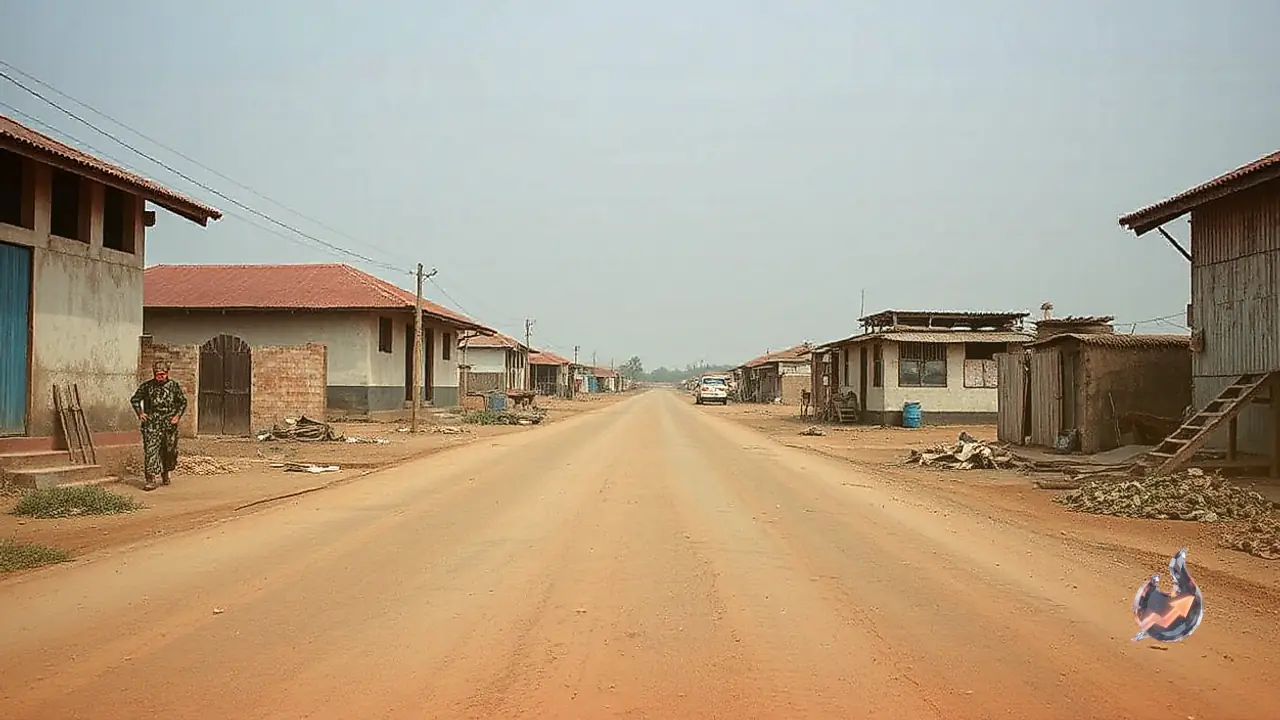
HuJI possesses extensive experience utilizing sensitive border regions shared by India, Bangladesh, and Myanmar for the illicit movement of arms and narcotics. The organization has historically taken advantage of rugged and remote terrains along these borders. In particular, it has played a role in trafficking synthetic drugs like Yaba from Myanmar through Manipur, Mizoram, and Tripura toward Bangladesh. Intelligence sources indicate that HuJI's operational zone historically spanned from Bangladesh's Chittagong to Cox's Bazar and the Myanmar frontier, while border districts in West Bengal and Assam were also leveraged for contraband transit. Efforts are now underway to revitalize these dormant contacts and infrastructure.
Agency Surveillance and Evolving Tactics
Officials point out that sustained operations by Indian and Bangladeshi law enforcement agencies have severely degraded HuJI's organizational framework over the past few years, leading to the collapse of multiple networks and severe financial distress for the group. Nevertheless, direct involvement by HuJI in frontline trafficking is currently considered unlikely. Authorities assess that the group is focused on internal rebuilding and wishes to avoid drawing the immediate attention of security forces. Therefore, it is expected to rely heavily on proxy groups within India and Bangladesh to conduct covert operations. Security agencies are closely monitoring this potential nexus and the renewed activity along border corridors.