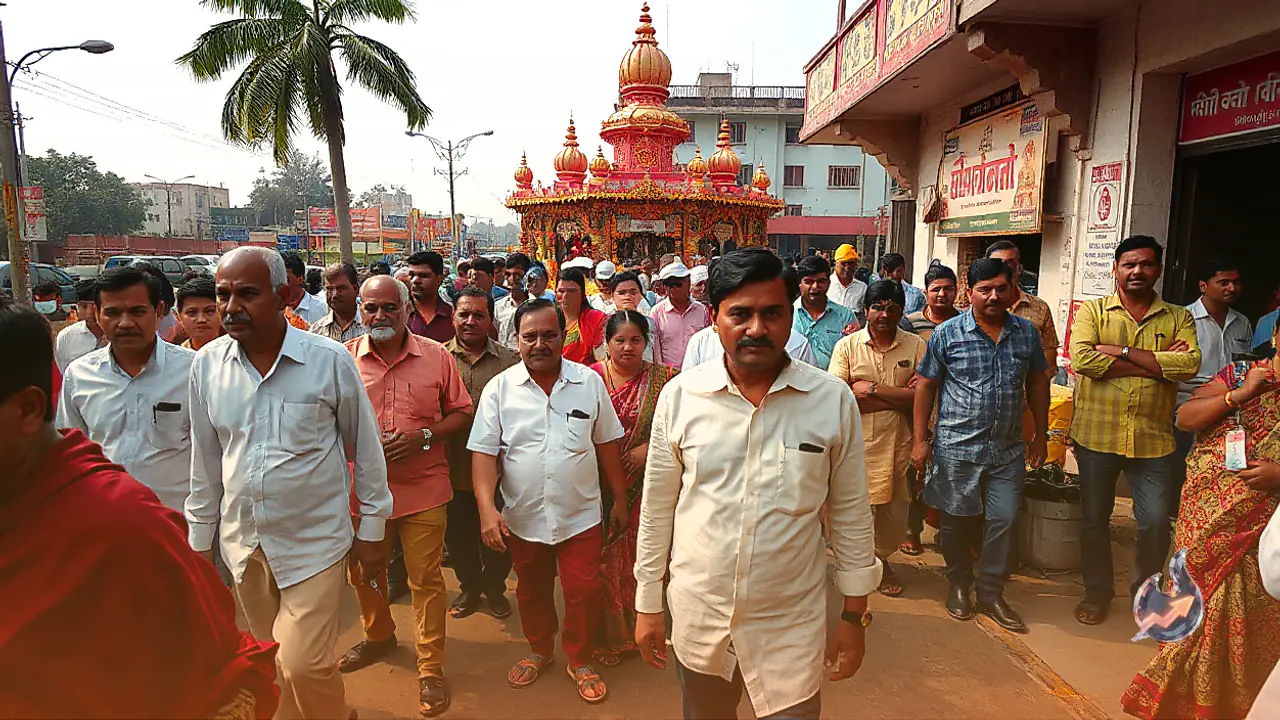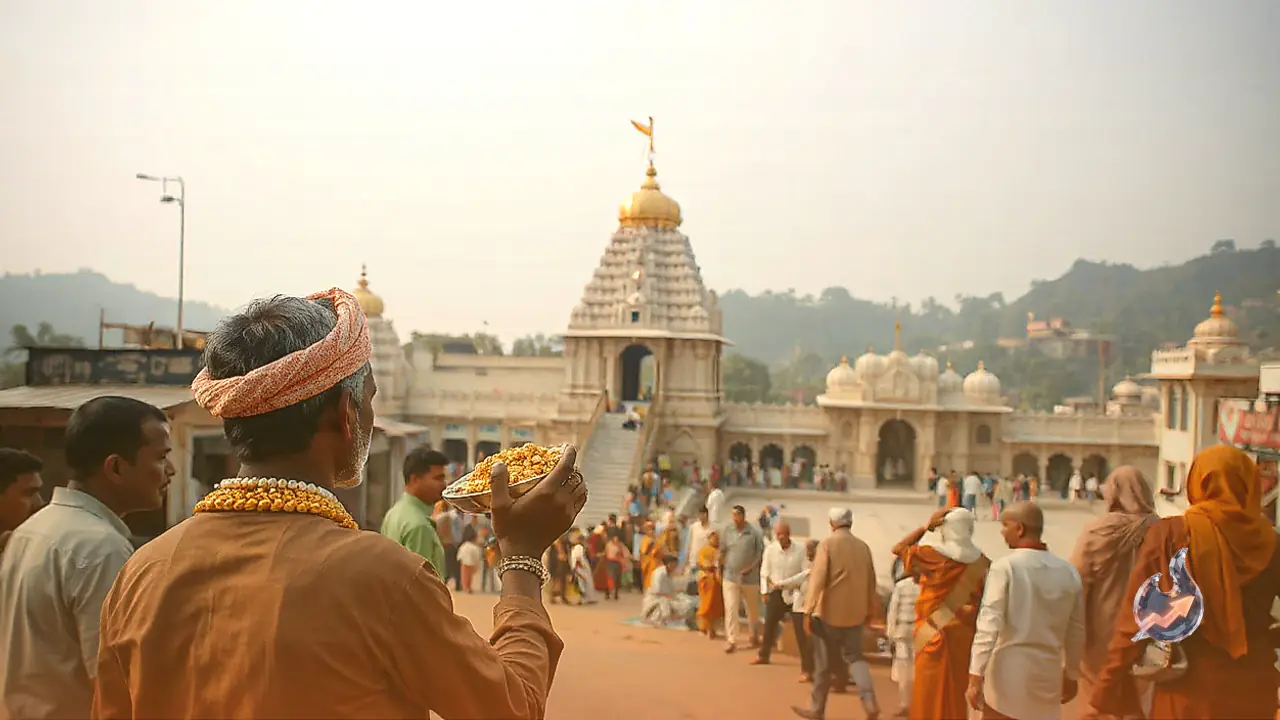

The twelfth day of the bright fortnight in the Hindu month of Kartik holds profound spiritual importance. On this sacred day, the ceremonial marriage of Goddess Tulsi and Lord Shaligram, an incarnation of Lord Vishnu, is performed with full Vedic rituals. Although regional family traditions dictate that some communities observe this sacred ceremony on Devuthani Ekadashi or Kartik Purnima, scriptures consider Kartik Shukla Dwadashi as the most supreme date. Devotees can choose any auspicious day between Ekadashi and Purnima according to their household customs.
Auspicious Timings for Tulsi Vivah 2026
According to the Hindu calendar, Tulsi Vivah in the year 2026 will be celebrated on Saturday, November 21. The auspicious muhurat for the ceremony will remain active from 05:25 PM to 05:52 PM in the evening. Additionally, the Abhijit muhurat will last from 11:46 AM to 12:28 PM, while the Brahma muhurat will range from 05:01 AM to 05:55 AM. Performing the rituals during these designated windows is believed to bring maximum blessings.
Checklist of Essential Worship Items
Conducting Tulsi Vivah requires a specific collection of traditional items. The list includes a fresh Tulsi plant, four sugarcane stalks tied together with sacred red thread, red geru and lime for decorating the pot and floor, fresh flowers along with two floral garlands, a pure ghee lamp, incense sticks, camphor, and agarbatti. Additionally, a red chunari or saree along with marital adornments (suhaag samagri) is required. A Shaligram stone is traditional for the worship, but if unavailable, an idol of Lord Vishnu or Lord Krishna can be placed instead. Other essentials include sandalwood paste, Tulsi leaves, Gangajal and Panchamrit for purification, a wooden chowki, yellow fabric or janeu, a coconut, betel leaves, betel nuts, monetary offerings, seasonal fruits like amla, water chestnuts, jujubes, sweet potatoes, sugarcane pieces, kheer or sweets for bhog, turmeric, roli, and raw rice grains.
Step-by-Step Worship Procedure
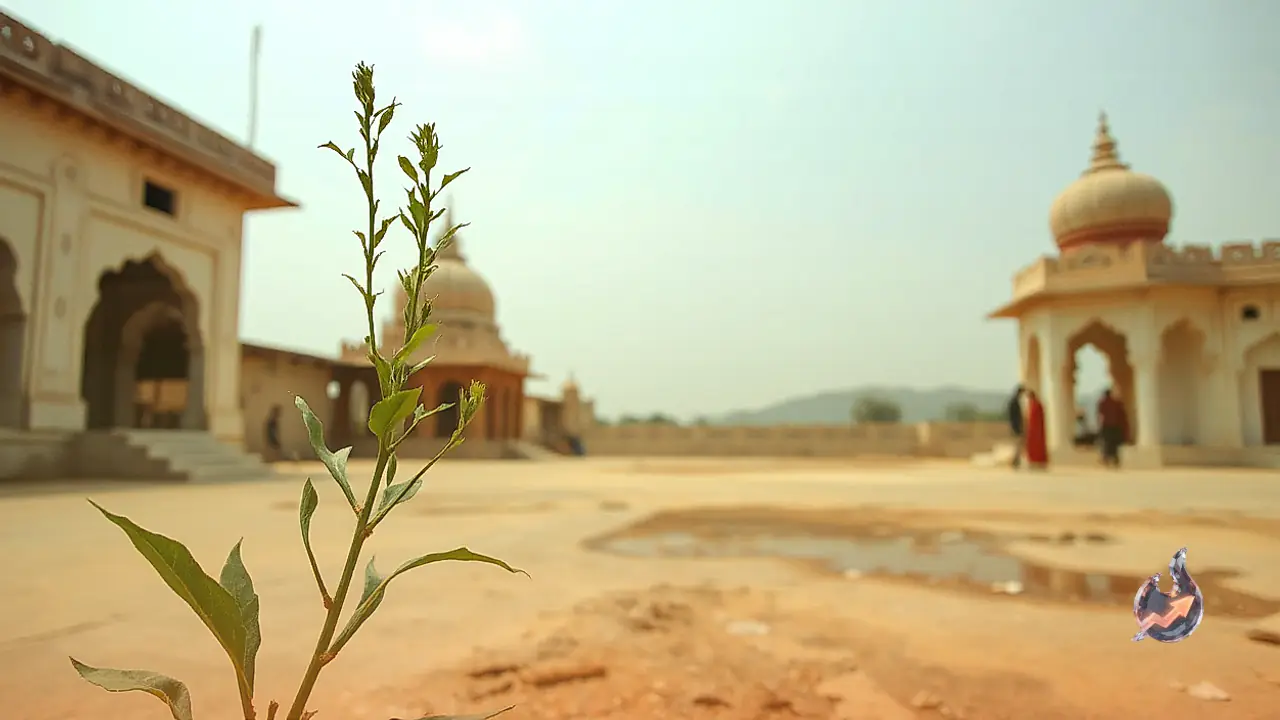
According to tradition, the Tulsi Vivah ceremony is usually performed during the evening twilight hour. The Tulsi pot should be placed in the courtyard, terrace, or balcony wherever the wedding setup is planned. Paint the pot with red geru and draw auspicious swastika motifs and decorative borders using lime or geru. Next, place four sugarcane stalks upright around the four corners of the pot and tie them securely at the top with sacred thread to form a wedding canopy. You can also hang decorative torans on this canopy if desired.
Create a traditional rangoli design right in front of the pot, and place a wooden platform draped with yellow cloth on its right side. Lord Shaligram will be installed on this platform. Family members performing the ritual of giving away the bride should maintain a satvik diet or keep a fast on this day. All household members should bathe in the evening, wear clean clothes, and light a ghee lamp. Holding water, rice grains, and flowers in hand, invoke Lord Ganesh first by chanting the mantra: “Om Gam Ganapataye Namah”. Then take a formal vow by stating your name, gotra, date, and purpose of the ritual.
Vow and Adornment Rituals
While taking the vow, state that the marriage is being performed for the peace and prosperity of the family, and release the water onto the ground. Afterward, sprinkle sacred water on the Tulsi plant and apply a tilak of roli and turmeric. Offer raw rice and fresh flowers with devotion. Drape a red chunari over Goddess Tulsi and offer the marital adornments, dressing her up like a traditional bride. Bow before the plant and chant the sacred prayer: “Mahaprasad Janani Sarva Saubhagya Vardhini. Adhi Vyadhi Hara Nityam Tulsi Tvam Namostute.” This translates to salutations to Goddess Tulsi, who is the mother of holy offerings, the enhancer of all fortunes, and the healer of physical and mental ailments.
Bathing Shaligram and Garland Exchange
In the next phase, bathe Lord Shaligram first with Gangajal, followed by Panchamrit, and finally with pure water. Gently wipe him dry with a clean cloth and establish him on the designated wooden platform. Apply sandalwood paste to the deity and dress him in yellow cloth or a sacred thread. Offer fresh flowers and Tulsi leaves. Note that unpolished rice grains are never offered to Lord Shaligram, so white sesame seeds or flowers should be used instead, accompanied by the mantra: “Om Namo Bhagavate Vasudevaya.”
Apply a paste of turmeric soaked in milk to both Goddess Tulsi and Lord Shaligram, and also touch the sugarcane canopy with turmeric. Next, make Lord Shaligram touch one garland before offering it to Goddess Tulsi, and similarly make Tulsi touch the other garland before placing it around Lord Shaligram. This represents the traditional exchange of wedding garlands.
Kanyadaan, Knot-Tying, and Parikrama
Following the garland exchange, a married couple or a senior female member of the family takes water, rice, flowers, and monetary offerings in hand to symbolize giving Tulsi as a daughter to Lord Vishnu, chanting the sacred verse: “Tulsim Hemrupan Cha Ratnrupan Cha Manjrim. Bhavamokshapradam Tubhyamarpayami Haripriyam.” Afterward, the garments of Lord Shaligram and the chunari of Goddess Tulsi are tied together in a sacred knot using holy thread. A male family member or the ritual officiant then lifts the platform carrying Lord Shaligram and takes seven rounds around the Tulsi plant. Other family members shower flower petals and sing auspicious wedding songs during this ritual. Reciting the eight sacred names of Goddess Tulsi during the rounds is considered highly auspicious: Vrinda, Vrindavani, Vishwapujita, Vishwapavani, Pushpasara, Nandini, Tulsi, and Krishnajivani.
Aarti, Prasad, and Conclusion
Once the marital rounds are completed, offerings of kheer, assorted sweets, and seasonal fruits are presented to Goddess Tulsi and Lord Shaligram. It is essential to ensure that Tulsi leaves are included in the food offered to the deity. Perform the aarti using a camphor or ghee lamp, starting with Lord Ganesh, followed by Lord Vishnu, and finally Goddess Tulsi. Conclude by joining your hands and seeking forgiveness for any inadvertent mistakes made during the worship.
After the rituals conclude, the blessed prasad is distributed among everyone present. The marital attire and chunari offered to Goddess Tulsi during the ceremony are given away as charity to a married woman the next day. The sugarcane canopy built for the wedding is dismantled the following day, and the sugarcane is distributed among all family members as sacred prasad.