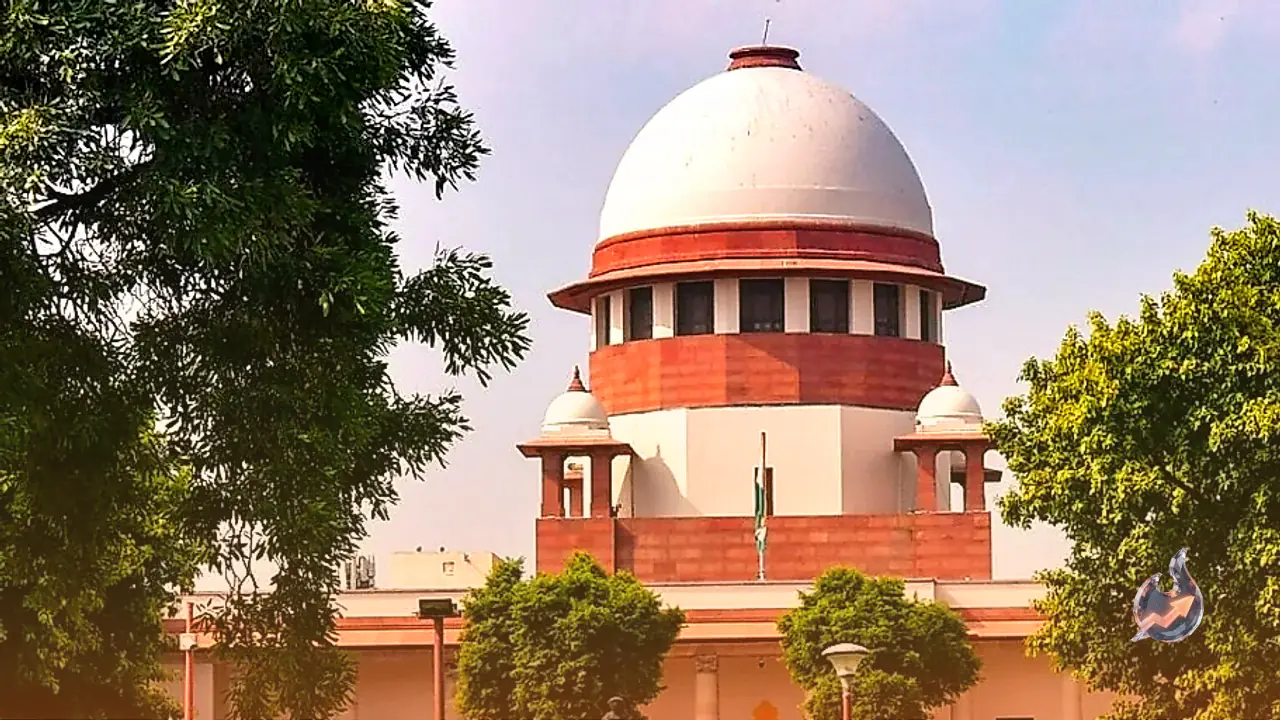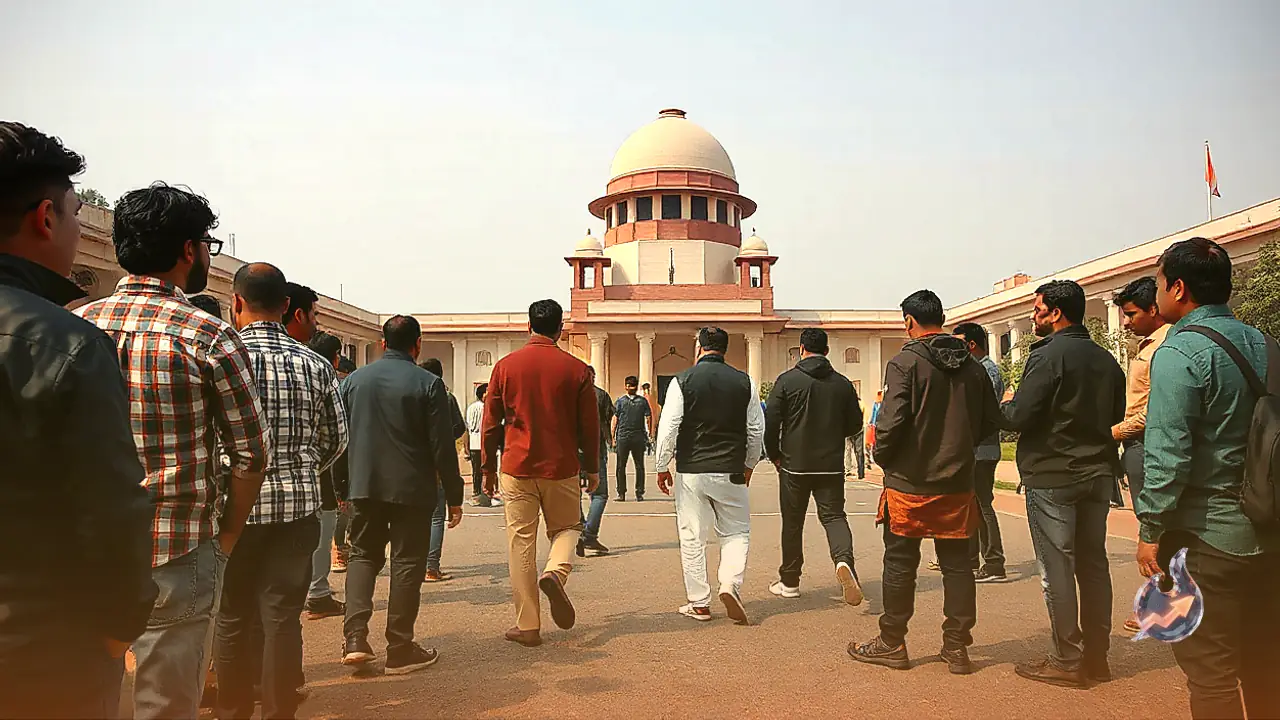

The Supreme Court declined to entertain the petitions filed by Sharjeel Imam and Umar Khalid on November 25, delivering a setback to the two accused. Alongside this decision, the apex court has sought a formal response from the Delhi Police regarding the matter. Both Imam and Khalid had approached the higher court to challenge the Delhi High Court order that had earlier refused them bail in a stringent Unlawful Activities Prevention Act case linked to the alleged larger conspiracy behind the northeast Delhi riots of February 2020.
Challenge Against the High Court Order
Earlier, the Delhi High Court had on September 30 turned down the bail applications moved by Khalid and Imam. The High Court maintained that it remained bound by judicial discipline and could not alter the parameters set by the Supreme Court in its January 5 order. In that earlier directive, the apex court had instructed both individuals to seek bail only after the testimonies of protected witnesses were recorded or after a period of one year had elapsed, whichever condition came first.
Trial Court Proceedings and Previous Rejections
Before moving the higher judicial forums, Khalid and Imam had contested a trial court ruling dated July 4, which had rejected their bail pleas for the third consecutive time following their arrest. The trial court had observed at the time that it had no other option but to strictly follow the Supreme Court order of January 5, leaving it with no jurisdiction to entertain the petitions or grant any form of legal relief.
Background of the 2020 Delhi Riots and UAPA Charges
Both Khalid and Imam face prosecution under stringent provisions of the Unlawful Activities Prevention Act. Authorities have accused them of being among the primary conspirators behind the communal violence that erupted across northeast Delhi in February 2020. The tragic riots resulted in the deaths of 53 people and left over 700 individuals injured. The civil unrest had flared up during widespread demonstrations opposing the Citizenship Amendment Act of 2019 and the National Register of Citizens.