
A major political storm has erupted in Tamil Nadu following the arrest of ruling Tamizhaga Vetri Kazhagam (TVK) MLA C. Arul Vignesh over allegations of sending obscene messages to a senior woman civil servant. The action was taken in connection with a complaint filed by Kallakurichi District Collector J.E. Padmaja, triggering widespread debates across administrative and political circles in the state.
Arrest and Initial Police Action
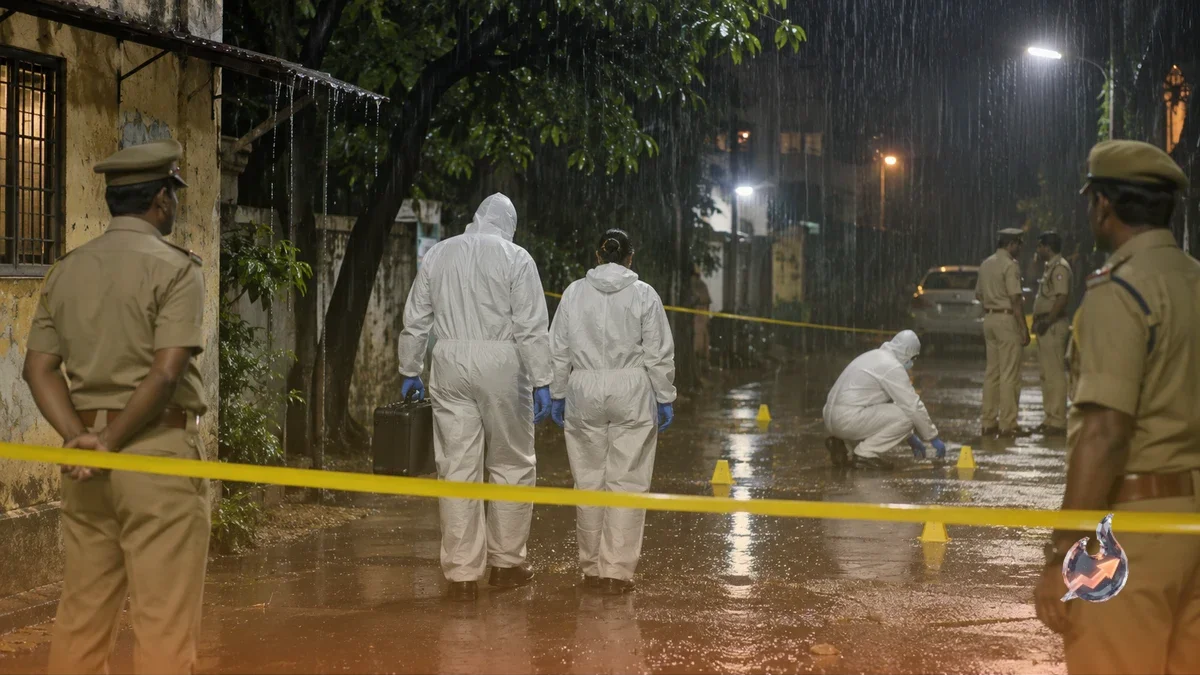
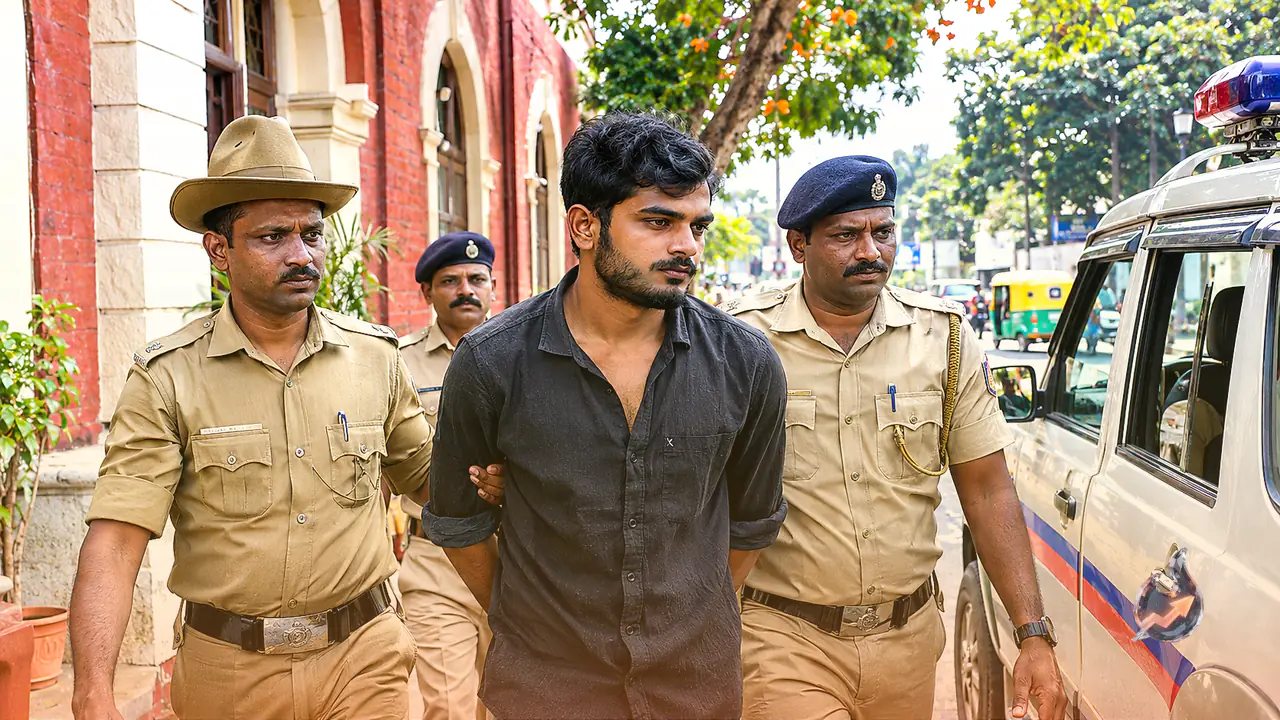
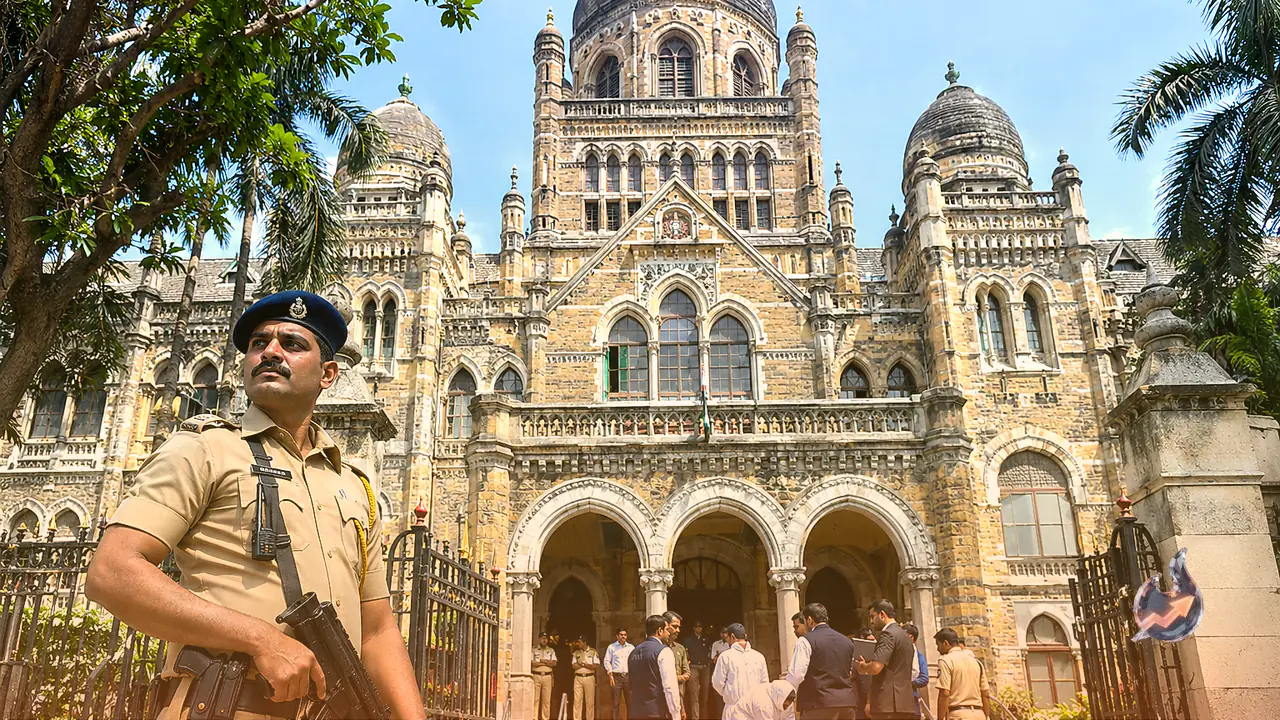
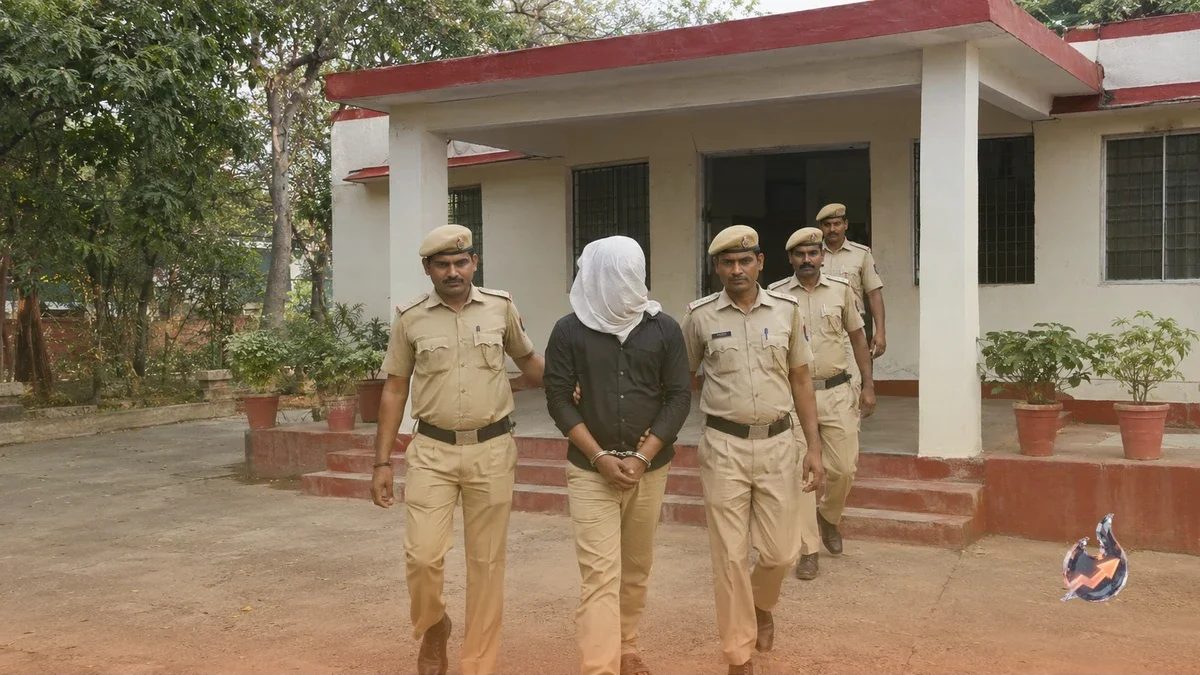
The 36-year-old legislator was taken into custody from his residence on Friday evening. The arrest came four days after the collector lodged a formal complaint regarding the incident on November 23. Following the registration of the FIR, heavy police deployment was established around the MLA's residence and office to maintain law and order and prevent any potential unrest.
Nature of the Complaint and Charges
The controversy unfolded after allegations surfaced that the lawmaker had sent explicit and obscene messages to the woman IAS officer and behaved inappropriately toward her. Consequently, the collector approached Kallakurichi Superintendent of Police Shehnaz I. to register her grievance. Acting on this complaint, the local women's police unit booked the legislator under five distinct legal provisions.
The charges against the MLA include sections of the Tamil Nadu Prohibition of Harassment of Women Act alongside Sections 75, 78, 79, and 132 of the Bharatiya Nyaya Sanhita (BNS). These legal provisions encompass offenses such as sexual harassment, stalking, outraging the modesty of a woman, and obstructing a public servant from discharging their official duties.
Political Uproar and Judicial Intervention
The allegations first entered the public domain through DMK MP Kanimozhi Karunanidhi, prompting opposition parties including the DMK and AIADMK to aggressively demand strict action against the accused legislator. The National Commission for Women (NCW) also took suo motu cognisance of the matter, demanding a transparent inquiry. Furthermore, the Madras High Court intervened in the proceedings, directing the state government to ensure a fair investigation conducted under the supervision of senior police officers.
Following the submission of the complaint by the collector to Chief Secretary M. Sai Kumar on November 23, the state government constituted a four-member Internal Complaints Committee (ICC) chaired by Additional Chief Secretary Kakarlapudi Usha.
Allegations Against the Government and Subsequent Developments
The ruling TVK administration faced severe criticism and accusations of trying to sweep the matter under the rug. Opposition figures pointed out that rather than taking immediate punitive action against the MLA, suggestions were floated to transfer the woman officer. Ultimately, under intense political pressure and strict reprimands from the Madras High Court, a written complaint was secured from the woman IAS officer earlier in the week, culminating in prolonged interrogation and the subsequent arrest of the MLA.