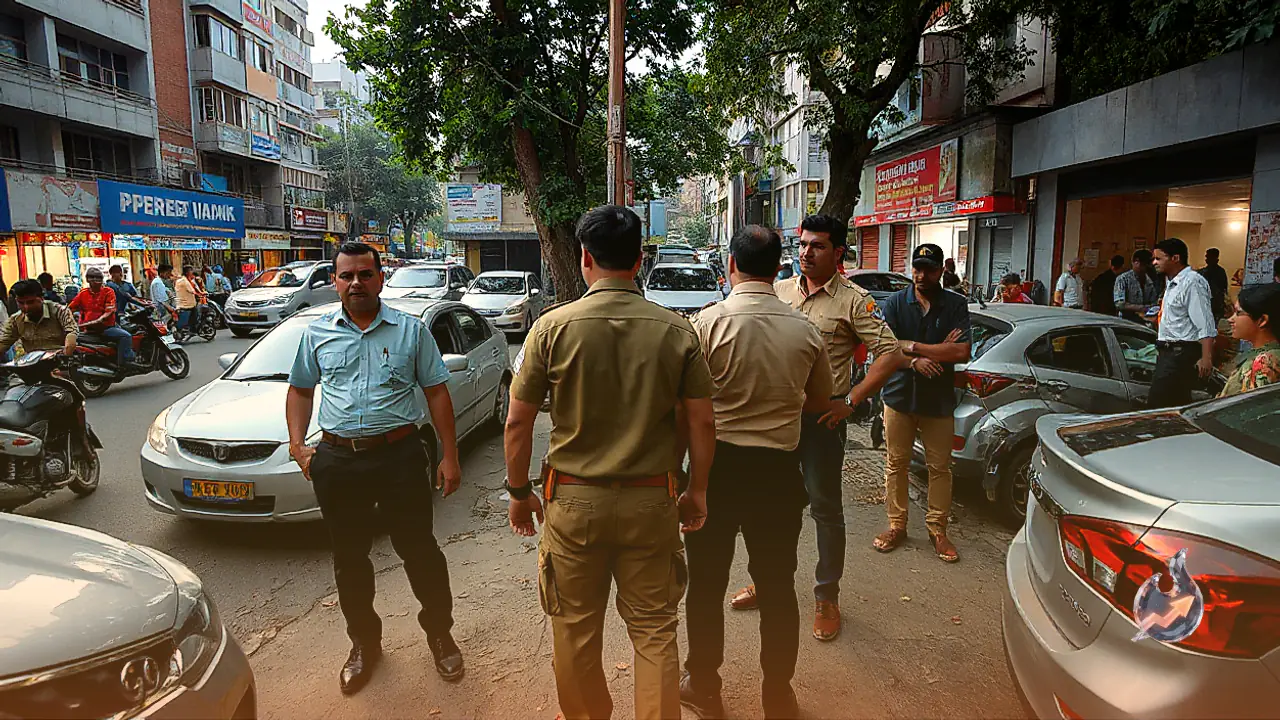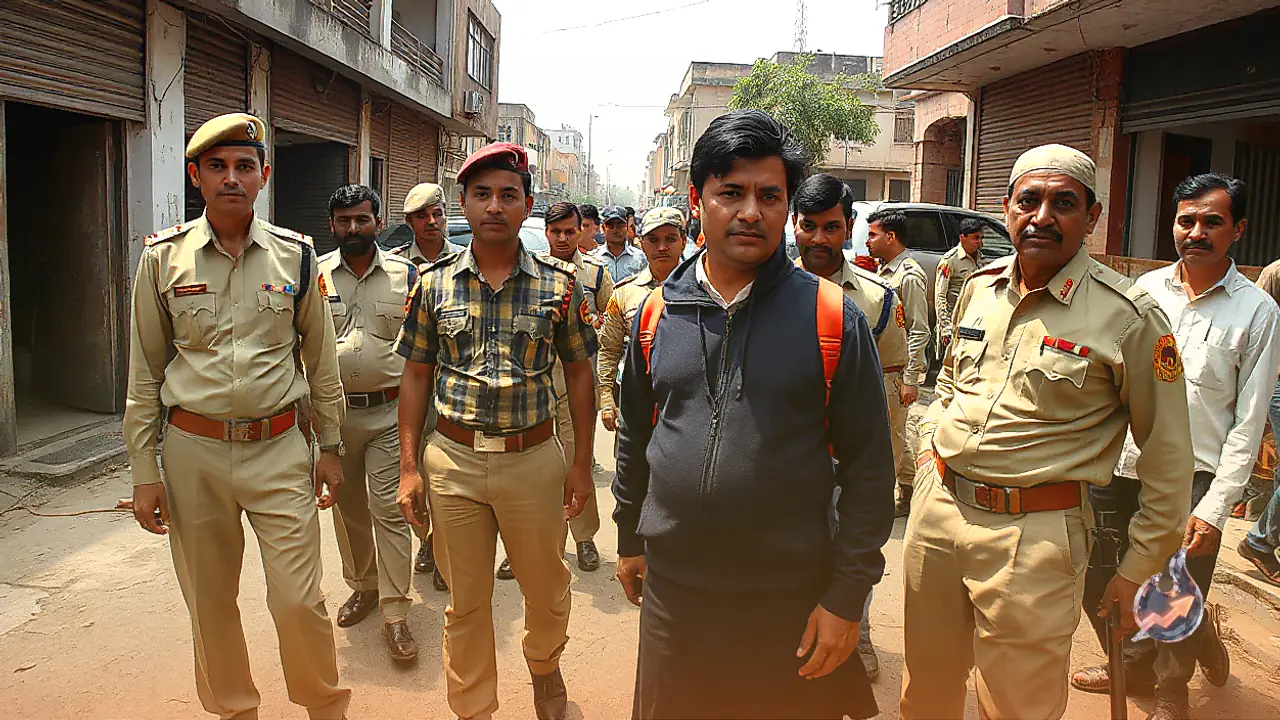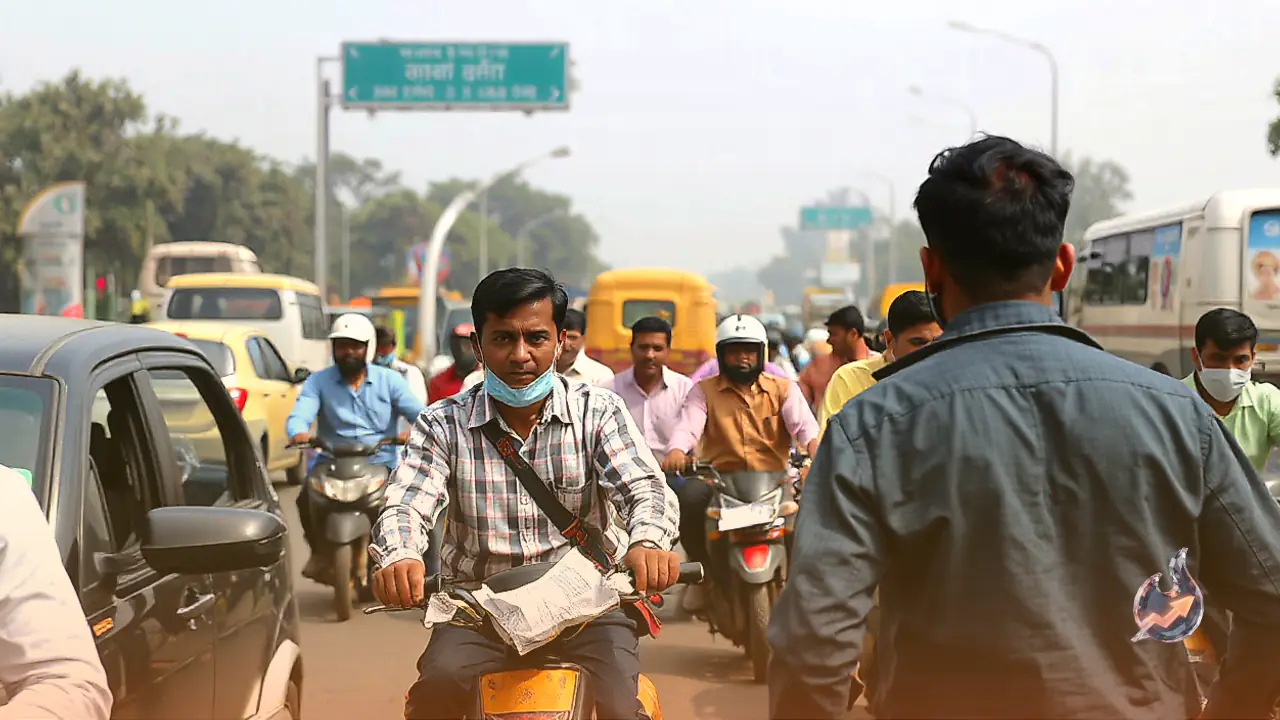

Commuters in the national capital are likely to face significant traffic disruptions today. The combination of Nepal Prime Balen Shah's India visit and a religiousNagar Kirtan procession organized by the Delhi Sikh Gurdwara Management Committee is expected to create heavy vehicular pressure across multiple key corridors. In response, the Delhi Traffic Police has issued a comprehensive advisory, urging citizens to steer clear of specific stretches. According to official guidelines, nearly 9 roads will face direct disruptions, while traffic will be diverted across 12 other roads.
Key Routes and Timing of Restrictions
Traffic movement is projected to be severely impacted starting at 3 PM on November 23, 2026, driven by high-profile VIP movements around Rajghat and the community procession. Areas marked for strict traffic control and potential diversions include the Outer Ring Road stretching from the Wazirabad Flyover up to the Salimgarh Y-Point. Additionally, critical intersections such as the Shamnath Marg and Boulevard Road T-Point will experience regulated movement.
Essential Guidelines for Commuters
Authorities have strongly advised the public to avoid the affected corridors entirely wherever possible. Citizens are encouraged to plan their journeys well in advance and factor in extra travel time before stepping out. Drivers using personal vehicles should opt for alternative routes or choose the metro network to bypass congestion zones. Parking vehicles along the roadside in these areas is strictly prohibited, and any unattended vehicles run a high risk of being towed away. Police have urged everyone to follow road regulations, comply with instructions given by on-duty personnel, and pay attention to diversion signages to prevent gridlocks.
Exemptions for Emergency Vehicles
Traffic officials have clarified that these restrictions will apply exclusively to general private vehicles. All emergency vehicles, including ambulances and fire tenders, are fully exempted from these curbs to ensure unhindered transit. Meanwhile, heavy and commercial vehicles will be systematically diverted onto alternate paths depending on real-time ground requirements.