























An Indian Air Force Wing Commander faces severe allegations of compromising national security by handing over classified operational details and war planning documentation to a suspected Pakistani intelligence operative. A chargesheet filed before the court by the Delhi Police reveals that the officer succumbed to a honeytrap operation, repeatedly exchanging sensitive military secrets for sexually explicit photographs via digital messaging channels.
The Mechanics of the Honeytrap and Intelligence Leak
According to the detailed investigative findings presented to the court, the officer established direct communication with the foreign operative using WhatsApp. During these digital exchanges, the officer allegedly transmitted sensitive details regarding ongoing military operations, strategic war plans, unmanned aerial vehicle technology, and troop deployment arrangements. The shared intelligence also encompassed active movement logs of frontline combat aircraft and exact geographical coordinates of restricted military installations.
The court document exposes a systematic trade of secret military intelligence for personal media. Investigators noted that the officer explicitly bargained with confidential military files. In one prominent instance documented by law enforcement, the officer sent a page of a classified war plan and promised to deliver subsequent pages of the strategic war documentation in exchange for every nude photo provided by the operative.
National Security Risk and Sensitive Military Assets
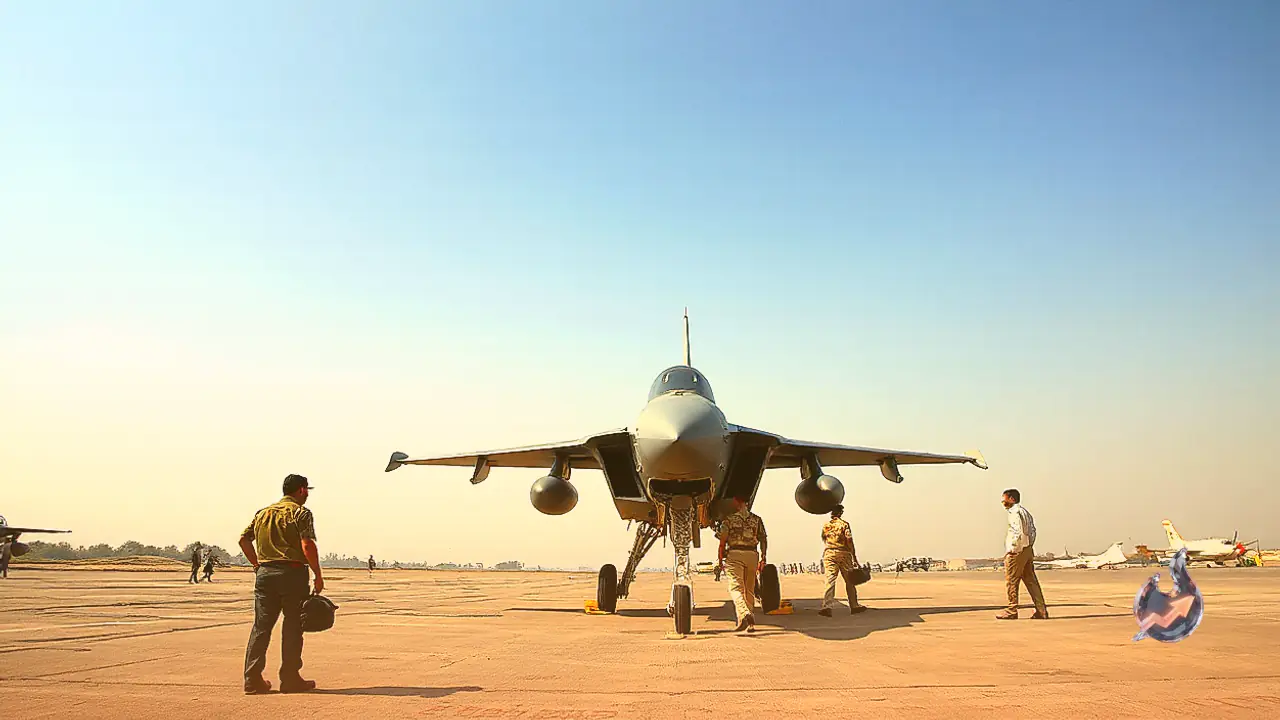
Law enforcement authorities warned in the chargesheet that leaking such high-level intelligence posed a direct threat to strategic national assets and overall defense preparedness. Disclosing exact geographical indicators of key installations alongside real-time movements of frontline fighter jets provides foreign intelligence handlers with critical operational insights, creating severe security vulnerabilities along strategic borders.
Legal Proceedings and Broader Pattern of Espionage
The Delhi Police have charged the Wing Commander under the Official Secrets Act, submitting the complete investigation report to the judicial tribunal. While court proceedings are actively moving forward, a final judicial verdict on the chargesheet remains pending. Law enforcement agencies noted that this case forms part of a broader, troubling trend of foreign intelligence services employing digital honeytraps to target defense officers, servicemen, and auxiliary staff for classified military intelligence.