





















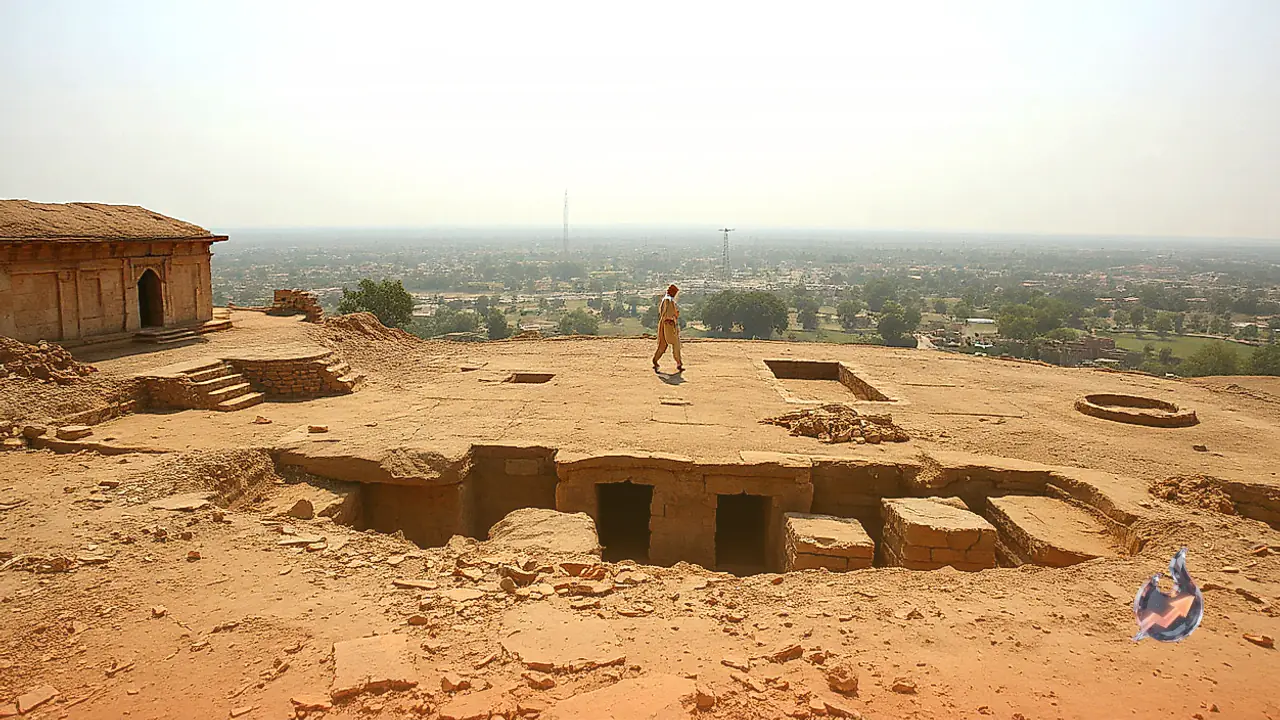

Globally recognized for its stunning lakes and royal heritage, Udaipur holds centuries-old history buried deep beneath its soil. Approximately four to five thousand years ago, an advanced ancient culture flourished along the banks of the Ayad River flowing through the middle of the city. In the realms of history and archaeology, this heritage is identified as the Ayad civilization or the Ahar-Banas culture. Invaluable remnants of this ancient society remain safely preserved today within the Dhulkot region of Udaipur.
Secrets of ancient life hidden within Dhulkot mounds
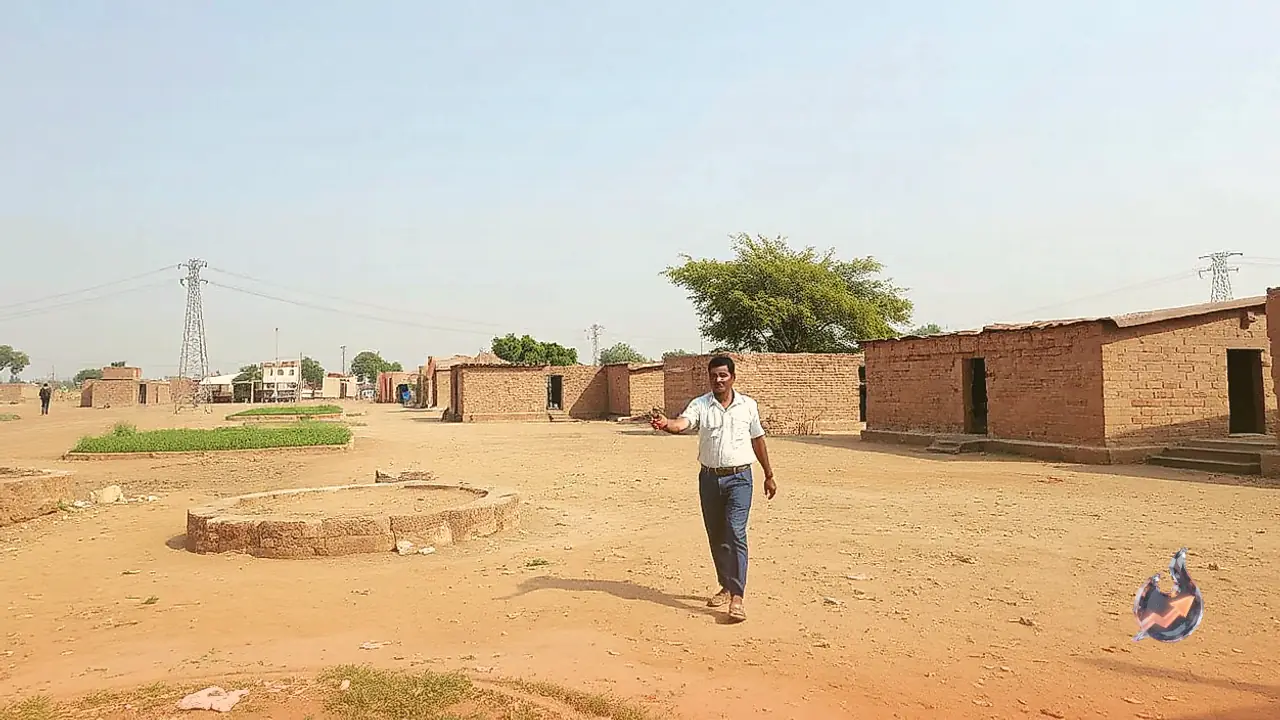
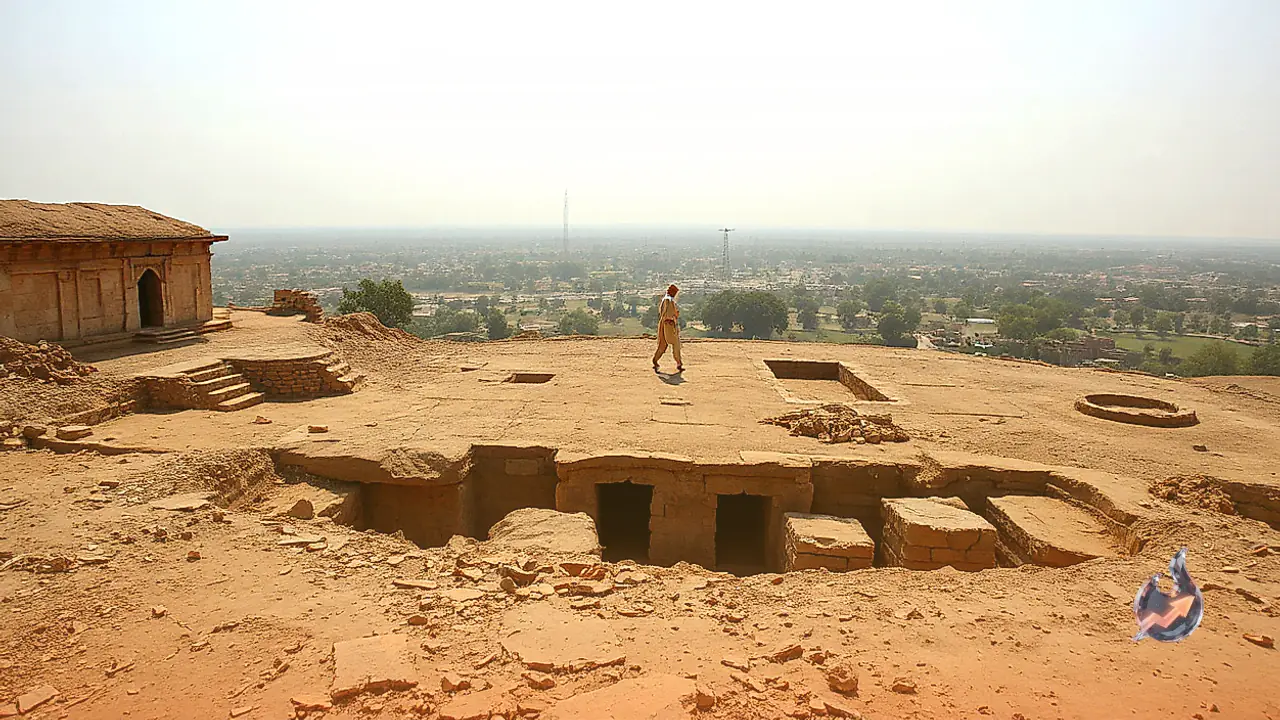
The historical mound of Dhulkot, located near the Ayad River, holds immense significance from an archaeological standpoint. Excavations conducted across this terrain brought to light fascinating insights regarding the lifestyle, dietary habits, occupational methods, and advanced standard of living of the people from that era. The most remarkable aspect is that this civilization portrays an advanced cultural epoch from a time when the modern city of Udaipur did not even exist. To protect the ancient mound situated in Dhulkot, local administration constructed a boundary wall around the site to preserve the historical artifacts safely.
Establishment of the Ayad Archaeological Museum in 1960
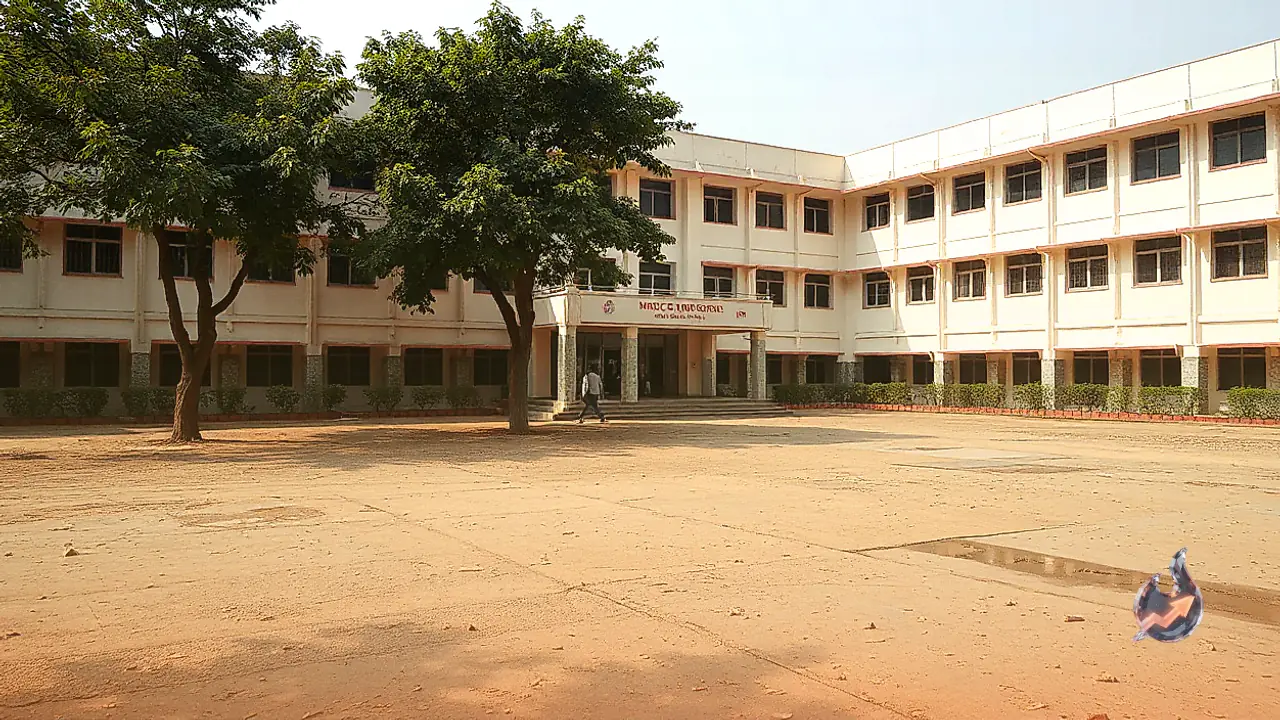
With the objective of preserving rare artifacts and historical treasures linked to the Ayad civilization, the Archaeology and Museum Department of the Government of Rajasthan established the Ayad Archaeological Museum in 1960. Researchers and tourists visiting the facility encounter numerous historical markers dating back millennia that vividly reflect the lifestyle of the ancient society. The museum displays a rich collection of archaeological materials including ancient pottery, stone tools, various copper objects, precious beads, and artistic terracotta figurines.
Deep chalcolithic roots beyond the palaces of Mewar
The items preserved within the museum offer a vivid glimpse into the remarkable artistry, metallurgy, and social organization of that era. For tourists visiting Udaipur, this location delivers an entirely unique and educational experience compared to other renowned sightseeing spots in the city. Visiting this site clarifies that the history of Udaipur is not merely confined to the palaces, forts, and lakes of Mewar, but possesses deep roots extending back to the chalcolithic age thousands of years ago. Spreading awareness about this heritage among the general public remains essential so that coming generations can connect with their glorious past.