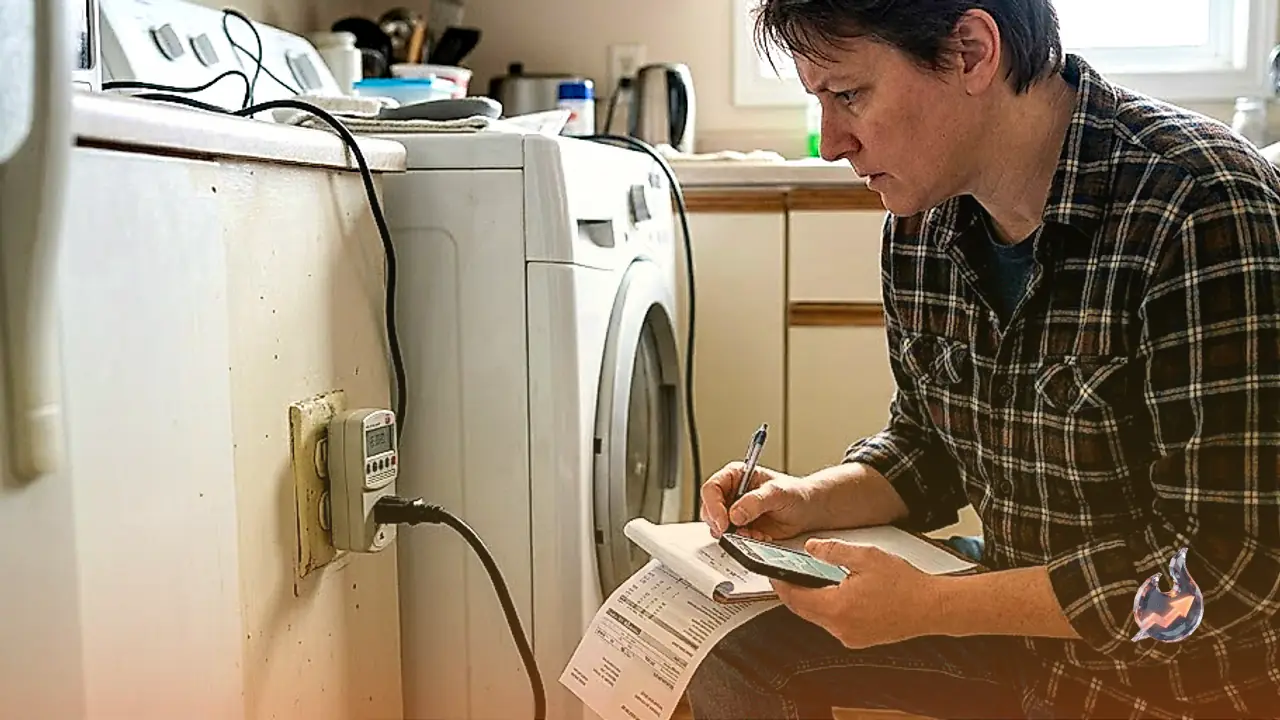
























A rat infestation is one of those household problems that seems small at first but quickly turns into a nightmare. Once rats find their way indoors, they don't just scurry around, they gnaw through clothes, books, important documents and even electrical wiring, causing damage that can be expensive and, in the case of wiring, genuinely dangerous.
Why rats are more than just a nuisance
Beyond the physical damage, rats leave dirt and droppings across kitchens and other parts of the house, which can trigger allergies and spread disease. Add to that the constant scratching and rustling sounds after dark, and it's easy to see why rats end up costing people sleep as well as peace of mind. This mix of health risk and disturbed sleep is exactly why so many households actively search for ways to drive rats out.
The problem with store-bought rat poisons and sprays
The market is full of chemical-based rodenticides and sprays meant to kill or repel rats, but these chemicals can be harmful to young children and pets who might come into contact with them. There's another risk too, if a rat eats the poison and dies inside a wall cavity or a hidden corner of the house, the decomposing body can cause a foul smell and raise the risk of infection spreading in that area. These concerns push many people toward safer, homemade alternatives instead.
How to make a homemade rat repelling tablet
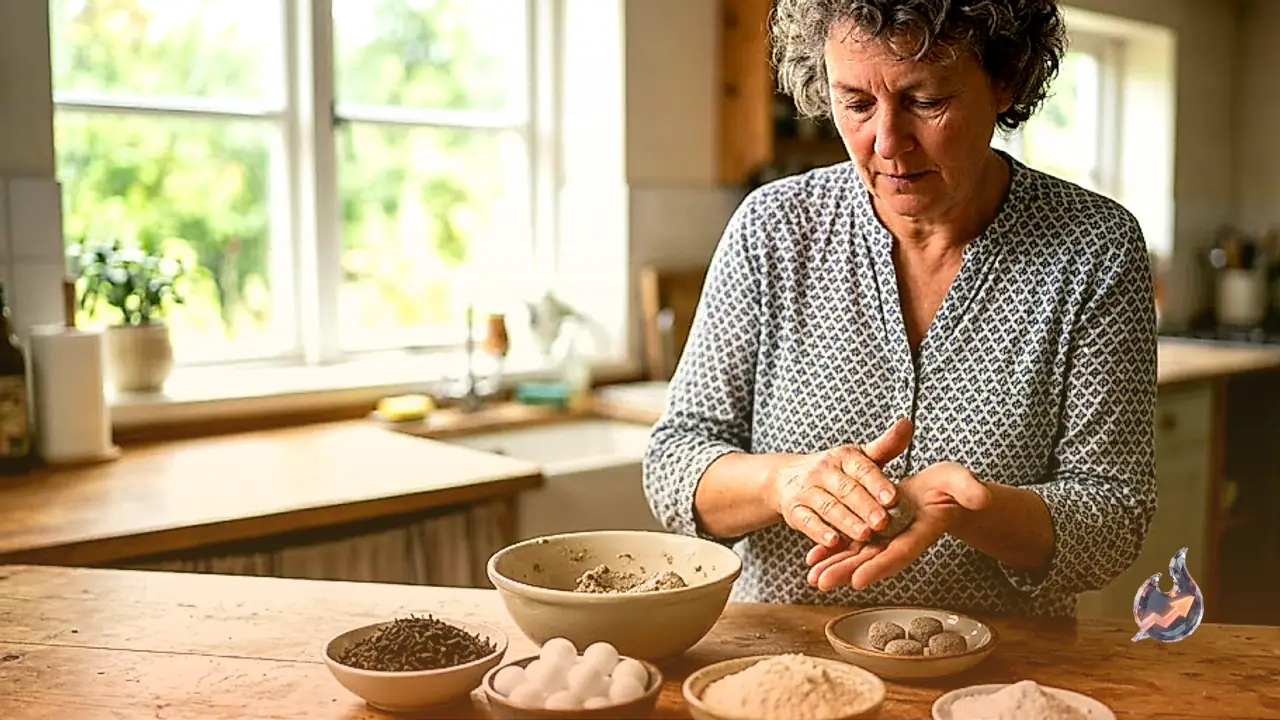
For those dealing with a rat problem, a simple tablet can be prepared using ingredients already found in most kitchens. Start by taking a bowl of water and adding tea leaves to it. Next, break camphor pieces and mix them into the same water. Then add wheat flour along with a small amount of detergent, and combine everything thoroughly until it forms a workable mixture. Once the mixture comes together, shape it into small tablets using your hands.
Where and how to place the tablets
The freshly made tablets should be left to dry for some time in mild sunlight so they firm up and hold their shape without breaking apart. Once dried, place them in spots where rats are most frequently seen or are known to pass through, such as kitchen corners, behind cupboards, or near storeroom entrances. The combined smell of tea leaves, camphor and detergent in the mixture is believed to be strong and unpleasant enough for rats that it discourages them from staying in that area. The tablets can be replaced with fresh ones from time to time to keep the effect going.