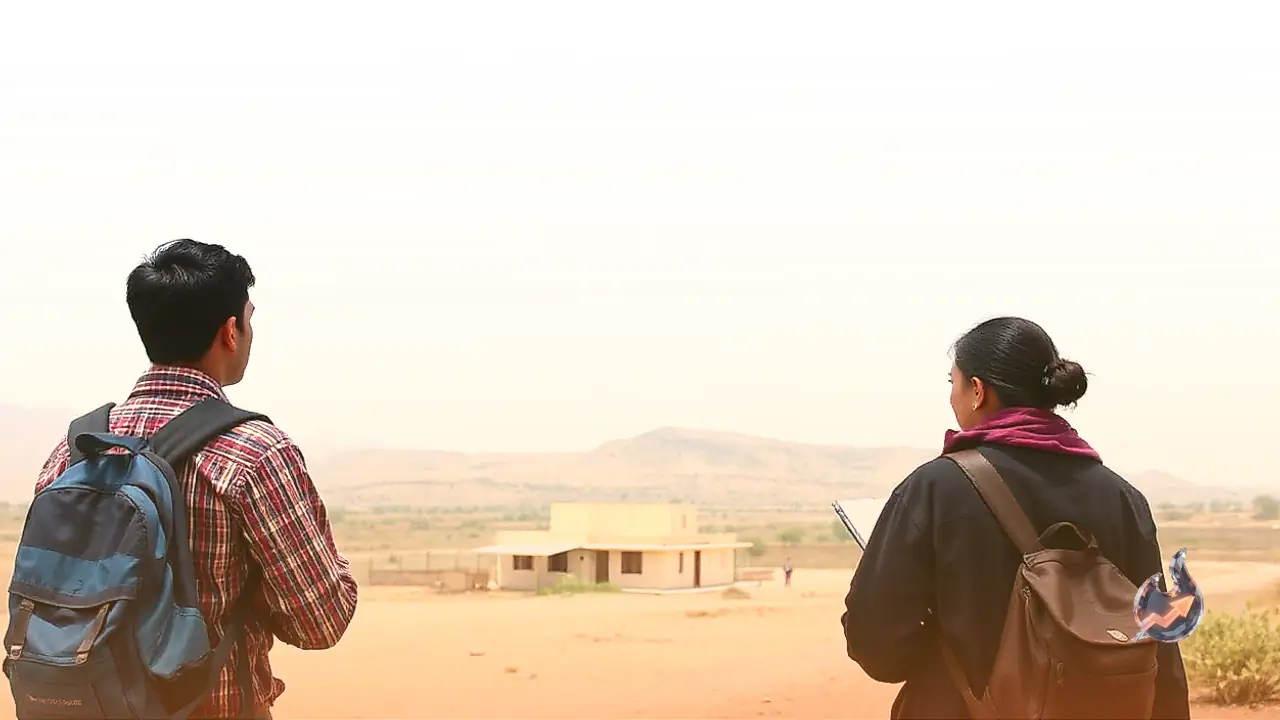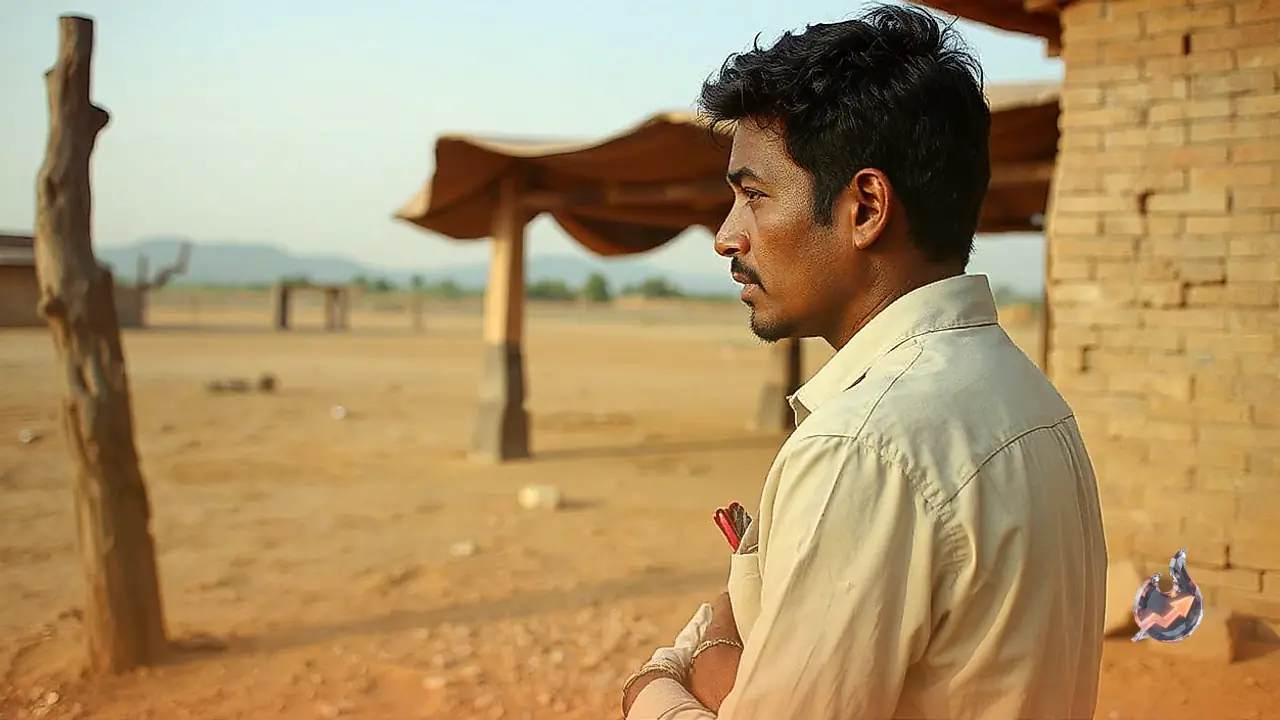

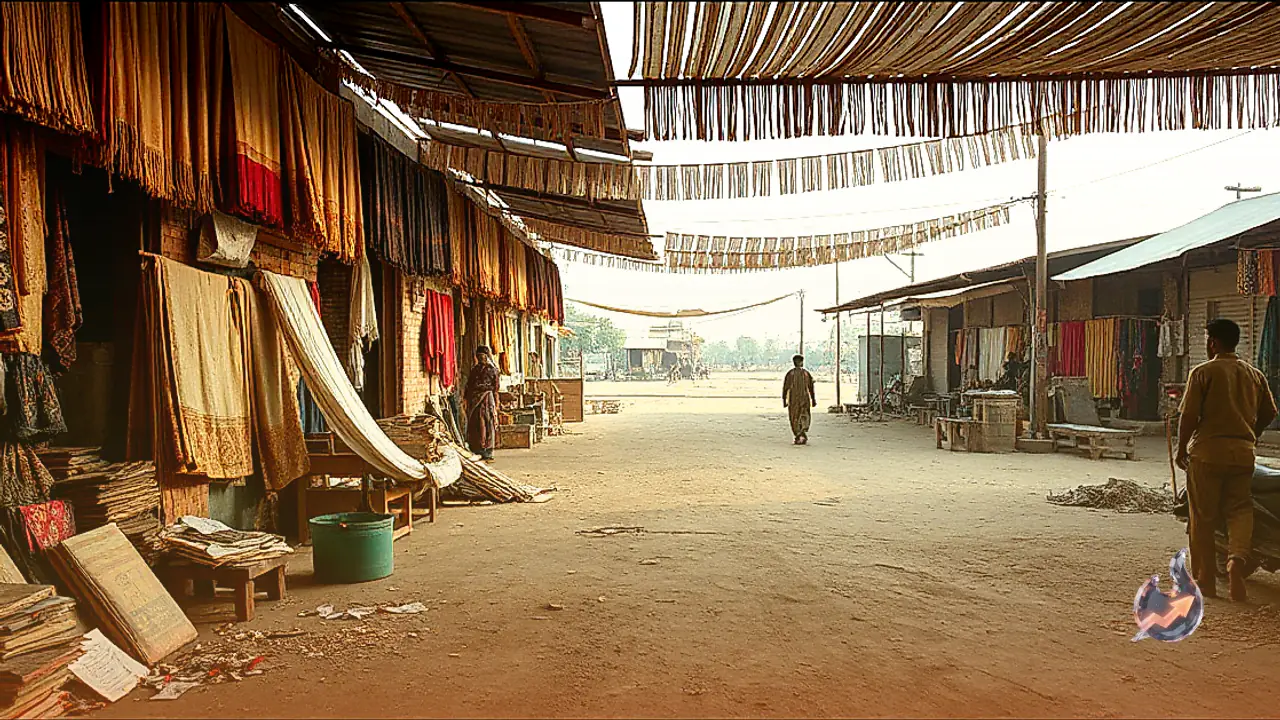

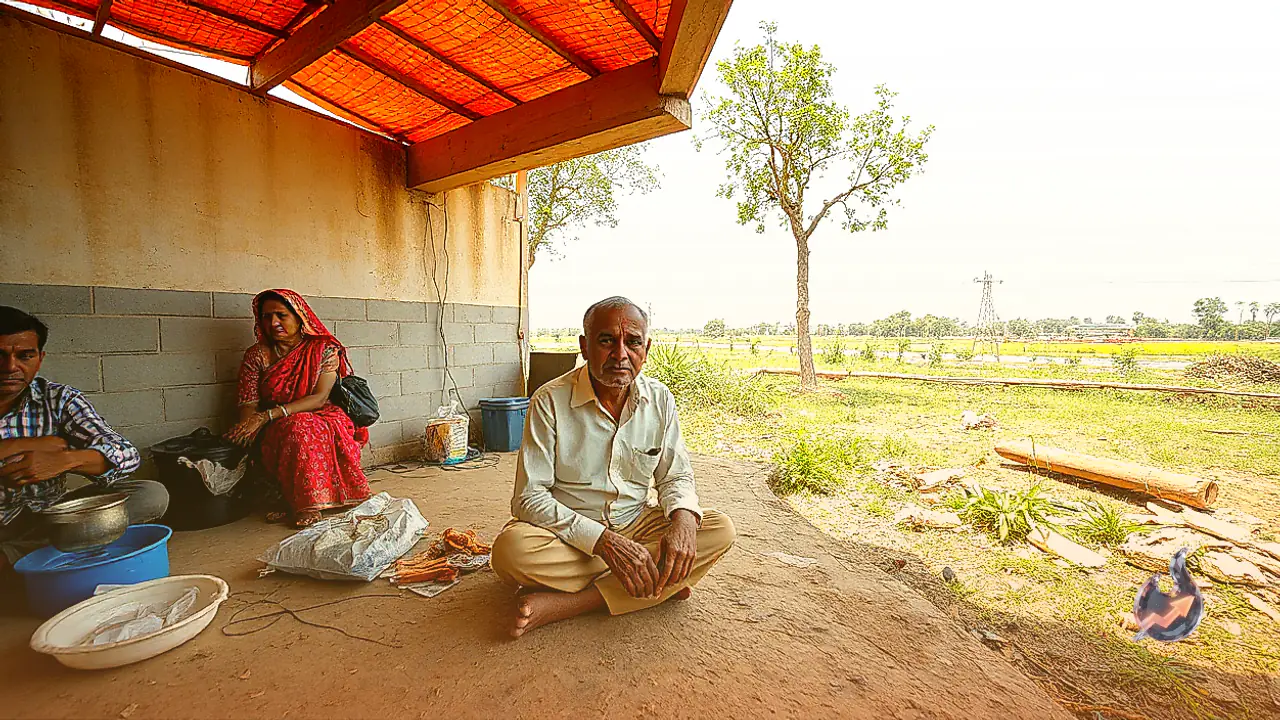

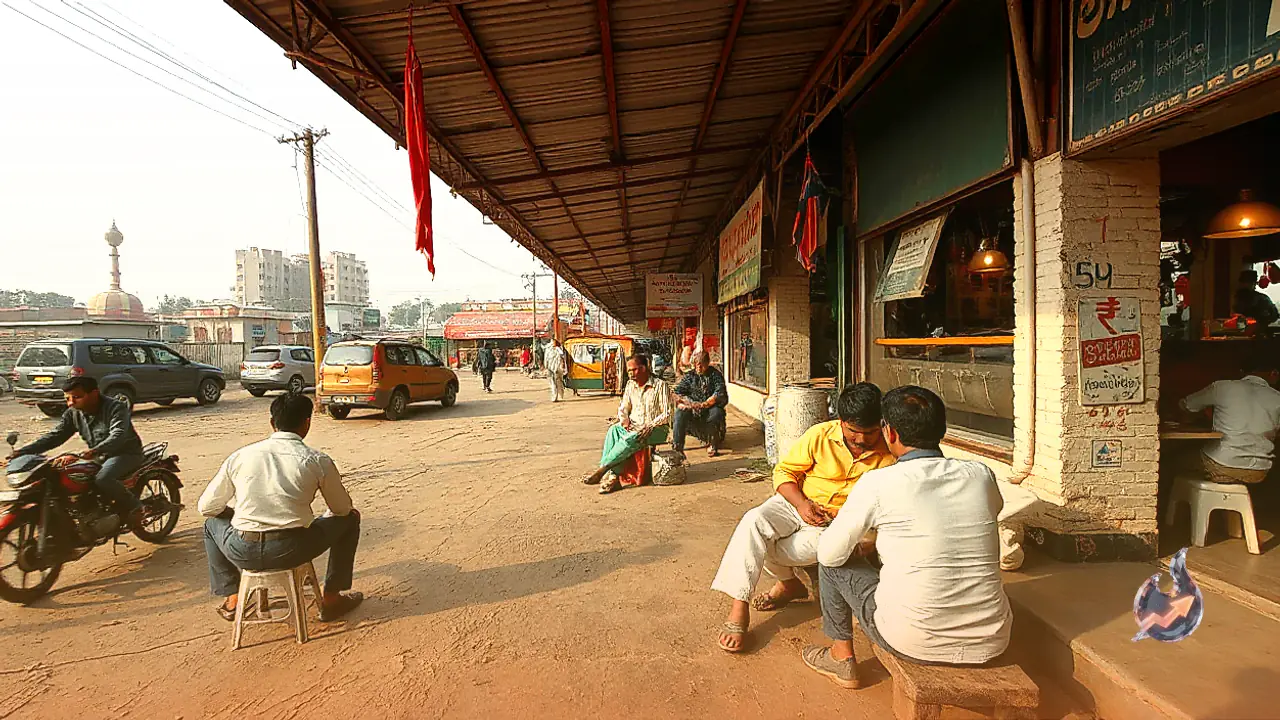


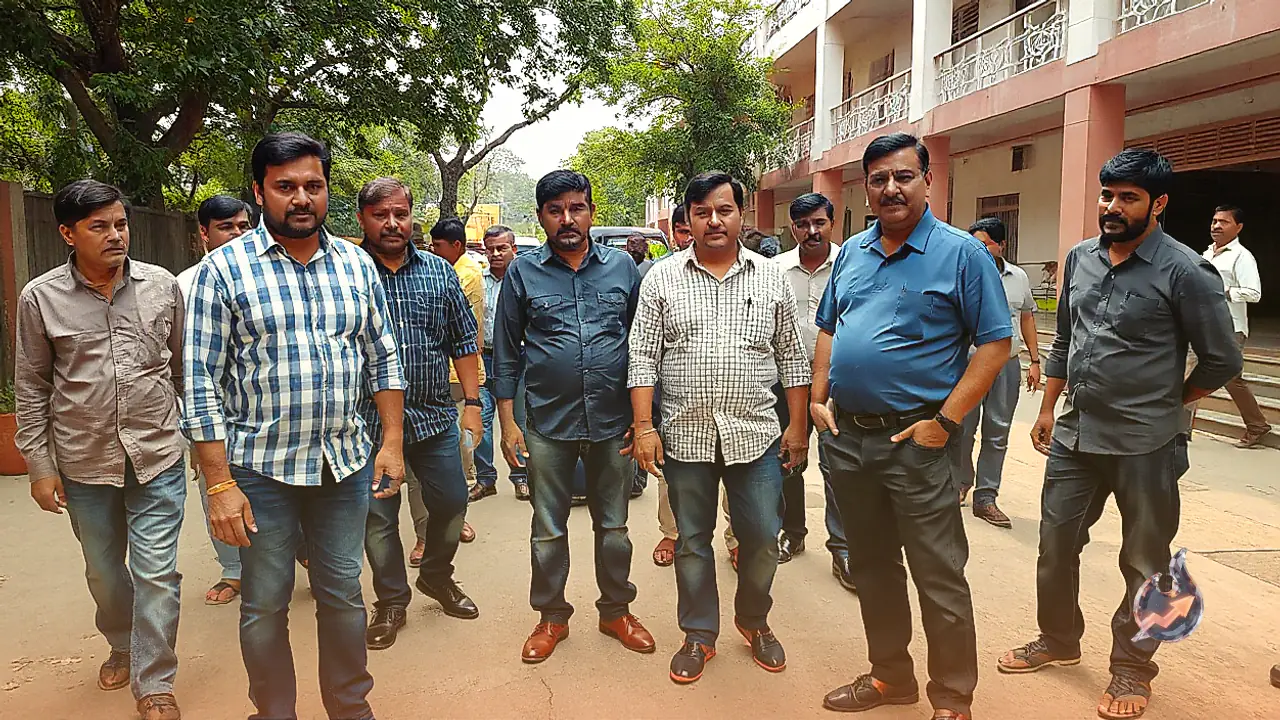
















A distressing picture of the state of rural education infrastructure has surfaced from Azad Nagar village, located within the Gangala panchayat of Rajasthan's Barmer district. The local Government Primary School lacks a proper concrete building, forcing young children to attend daily classes under makeshift thatched huts. Deprived of essential basic amenities and exposed to an unsafe environment, the education and safety of these primary school students remain compromised, triggering intense dissatisfaction and concern among local residents and parents.
Classes Conducted Under Makeshift Thatched Huts
The Government Primary School in Azad Nagar has been functioning out of temporary thatched structures for a prolonged period due to the total absence of a designated school building. The campus lacks concrete classrooms, desks, or basic furniture, requiring young children to sit on the bare floor inside huts to pursue their studies. Community members point out that while authorities heavily advocate for boosting enrollment and providing accessible education to every child, they have failed to provide even a rudimentary sheltered facility for students in Azad Nagar. Operating a school inside fragile huts creates continuous safety hazards for young pupils throughout the school day.
Monsoon Disruptions and Rising Safety Risks
Because the classes are held inside flimsy open huts, any sudden change in weather brings regular academic activities to a complete standstill. The situation worsens significantly during the monsoon season when torrential rainfall and strong winds hit the region. Rainwater frequently leaks through the thatched roofs and floods the ground, making it impossible for children to sit or write. Under such adverse conditions, teachers are left with no choice but to suspend classes early. Beyond the loss of valuable study hours, the open, damp environment increases the threat of exposure to venomous insects and structural collapse during storms.
Severe Shortage of Toilets and Clean Drinking Water
The crisis at this primary school extends beyond the lack of a brick-and-mortar building, as fundamental hygiene and health necessities are completely non-existent. According to local residents, the school campus has no functional toilet facilities for either male or female students. The absence of basic sanitation subjects young children, especially young girls, to extreme inconvenience and discomfort daily. Furthermore, there is no reliable arrangement for safe drinking water on site, leaving students to endure long school hours without proper hydration unless they carry water from home. Villagers emphasize that clean drinking water and separate toilets are indispensable prerequisites for any educational institution.
Unheeded Appeals From Barmer to Jaipur Headquarters
Residents of Azad Nagar allege that they have spent years appealing to various administrative authorities and public representatives to secure a permanent building for the school. Delegation members have repeatedly traveled from Barmer district headquarters to the state capital in Jaipur, submitting formal petitions and highlighting the dire plight of the school before top officials. However, despite endless rounds of meetings and bureaucratic visits, their requests have yielded nothing more than verbal assurances, with no constructive work commencing on the ground. The persistent neglect has pushed the local community to the brink of frustration.
Villagers Issue Ultimatum for Barmer Collectorate Siege
Fed up with official apathy, the villagers of Azad Nagar have decided to escalate their protest. Community leaders asserted that the safety and academic future of their young children can no longer be delayed or compromised. They have issued a stern warning to the administration, stating that if immediate steps are not taken to sanction and construct a permanent building for the Government Primary School, they will stage a mass demonstration outside the Barmer District Collectorate office. The villagers declared that parents and young students will join hands in front of the Collectorate until concrete measures are implemented to ensure a safe and fully-equipped learning environment.