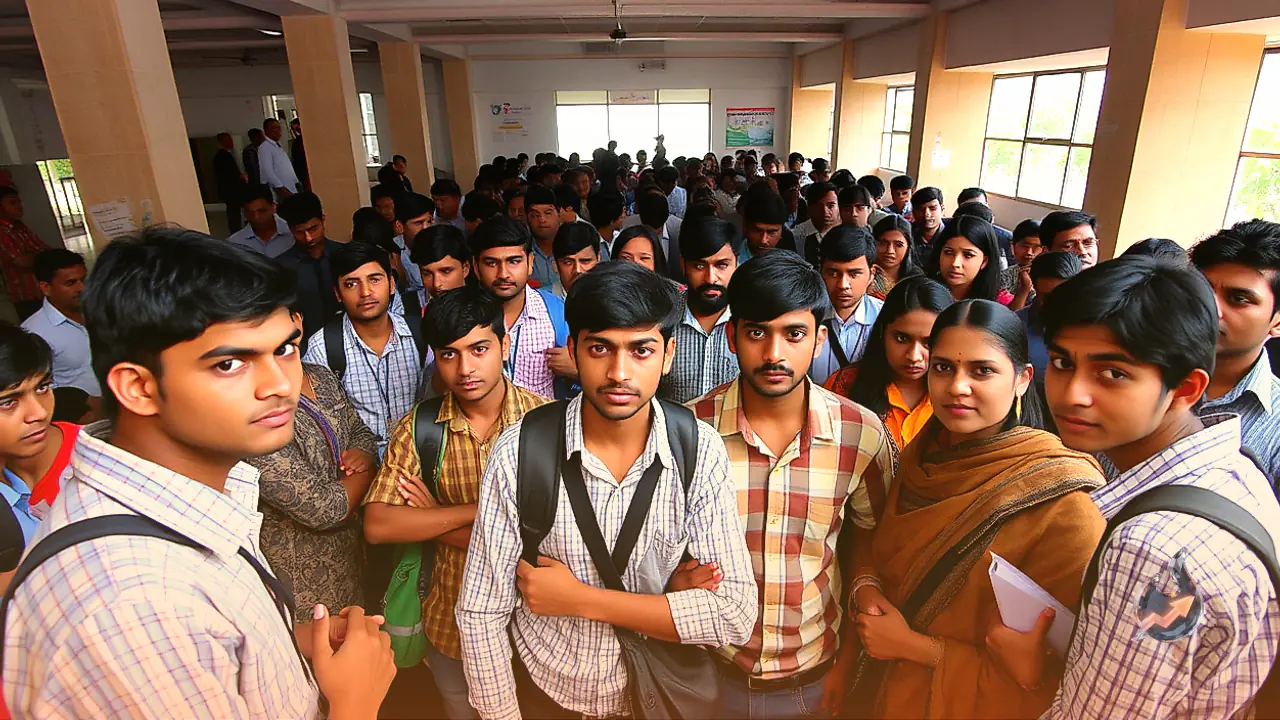


















The mounting stress of academic pursuits, the deep-seated fear of scoring low marks, and the crushing weight of familial expectations often push college and university students to a breaking point. Unable to cope with this intense psychological pressure inside the locked confines of hostel rooms, distressed individuals occasionally take extreme measures. To combat and prevent such heartbreaking incidents, Veer Narmad South Gujarat University in Surat has taken a commendable and proactive step. The university administration is actively removing traditional ceiling fans from its residential hostels and replacing them with specialized anti-suicide spring-loaded fans.
Over 250 Specialized Fans Installed So Far
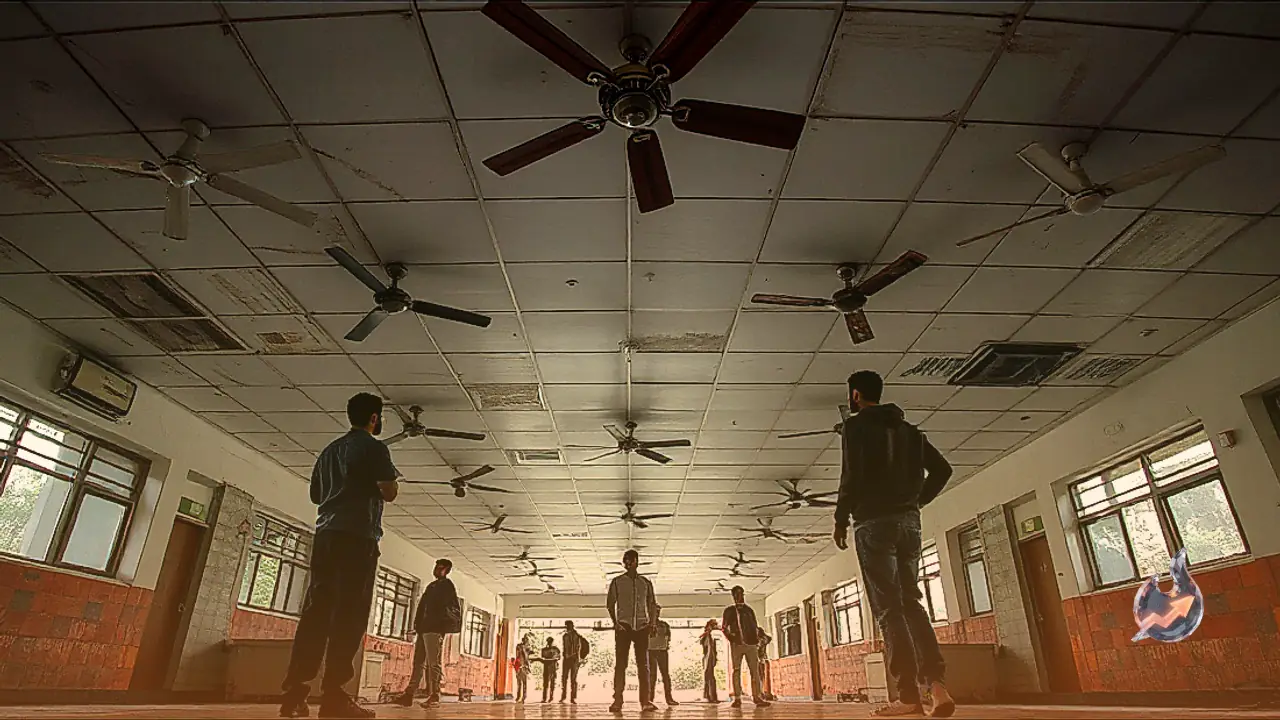
More than 250 such specialized fans have already been installed across the girls' and boys' hostel complexes of the university. This measure is intended to intercept and avert any untoward incident before it becomes fatal. The decision comes in the wake of disturbing incidents reported among students in recent times, alongside stringent guidelines issued by the Supreme Court and the University Grants Commission. However, this raises a critical question: does merely swapping out ceiling fans eradicate the deep psychological distress of students, or is there an urgent parallel need to focus equally on hostel environments and robust mental health support systems?
Cost and Specifications of the Anti-Suicide Fans
Each anti-suicide fan installed at the Surat university costs approximately 2500 rupees. Kishorsinh Chavda, the Vice-Chancellor of the university, stated that the moment any weight exceeding 10 kilograms is applied to the fan, it tilts downward. Simultaneously, the power supply to the unit is immediately cut off.
How the Anti-Suicide Mechanism Functions
Outwardly, these units resemble conventional ceiling fans. However, they are engineered with a unique internal spring mechanism. Whenever an abnormal or excessive weight ranging between 10 to 25 kilograms is exerted on the appliance, such as during an attempt at hanging, the built-in spring instantly releases. This mechanical action causes the fan to drop and tilt downward from the ceiling, disengaging its locking system. Because the assembly cannot support the sudden load, any suspension loop fails to hold, causing the individual to drop safely to the floor. Furthermore, certain models are equipped with a loud built-in alarm that triggers instantly upon heavy pressure, alerting nearby residents immediately so they can intervene.
Inspiration Drawn from the Kota Model
The implementation of anti-suicide fans and safety netting in student hostels originated in Kota, Rajasthan, which is widely recognized as a premier coaching hub. The Kota Hostel Association first proposed this structural modification back in 2017. Following a record number of tragic cases reported there in 2023, such safety installations were made mandatory. Adopting this very blueprint, VNSGU Surat has initiated the replacement of all 388 fans across its 312 hostel rooms, which house approximately 840 students. To execute this upgrade, 375 modern BLDC motor fans were procured through the GeM portal.
Alarming NCRB Statistics and Judicial Strictures
A review of statistical data concerning India reveals an intensely sensitive situation. According to figures compiled by the National Crime Records Bureau, student suicides across India witnessed a 34 percent increase in 2023 compared to 2019. The annual figure surged to a staggering 13,892 cases. This alarming upward trajectory persisted unabated through 2024 and 2025. In response to these distressing trends, a special bench of the Supreme Court expressed profound anguish and directed all educational institutions across the nation to implement rigorous security measures and comprehensive mental health care facilities.
Combining Technology with Emotional Support
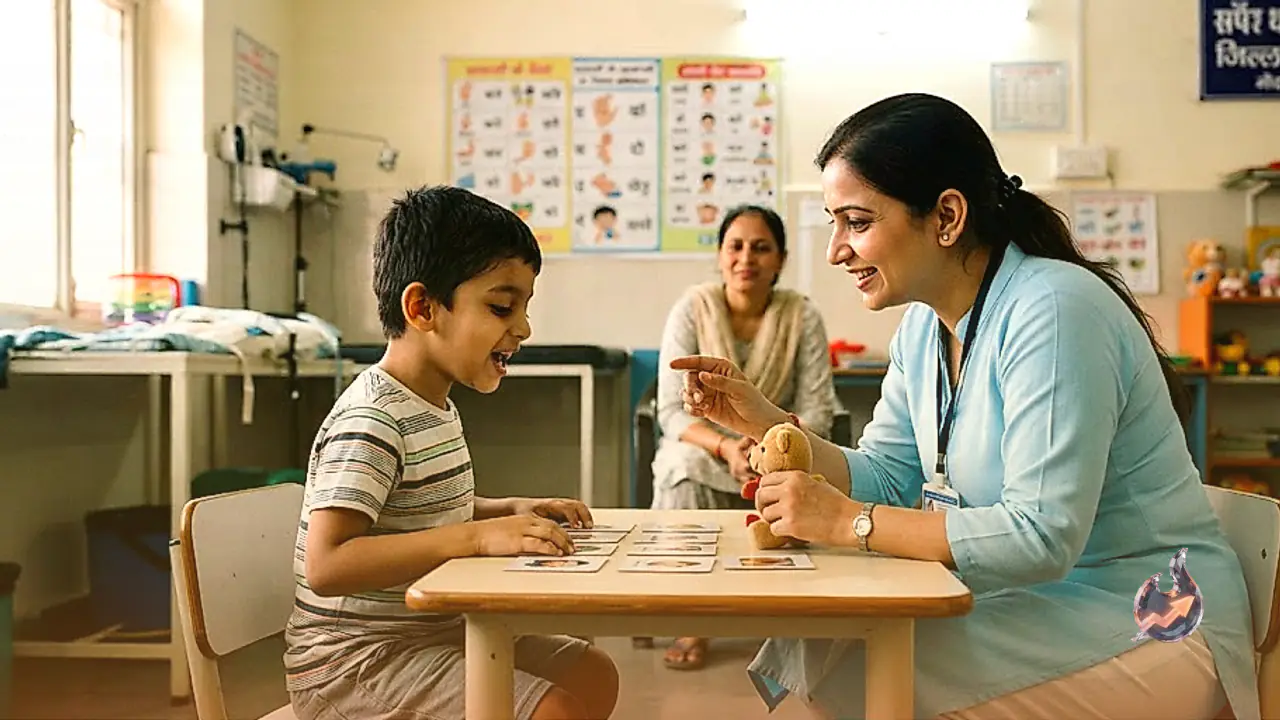
Counselors emphasize that installing anti-suicide fans or safety nets on balconies merely provides a physical barrier rather than serving as a permanent solution to the underlying problem. Many students slip into severe depression due to academic failure, career anxiety, or senior ragging and harassment, similar to an incident witnessed at Surat Medical College in August. Therefore, alongside necessary technological modifications, fostering a friendly atmosphere within hostels, conducting regular mental health counseling sessions, and continuously reassuring students that failure is never the end of life remain the most vital imperatives.