
Famed across Indian cinema as the undisputed disco king, veteran music composer Bappi Lahiri began his musical journey long before he entered the glamorous world of Bollywood. Today marks his birth anniversary, offering a moment to reflect on a legendary career defined by golden chains, heavy shades, and foot-tapping beats that transformed the sound of 1980s cinema. However, the foundational steps of his remarkable career trace back to an instrument quite different from the electronic synthesizers he later became famous for.
Starting Out With the Tabla
Born on November 27, 1952, in Kolkata, his given name was Alokesh Lahiri. Music ran deep in his household as his parents, Aparesh Lahiri and Bansari Lahiri, were well-known singers in Bengal. Immersed in this artistic atmosphere from a very tender age, he picked up the tabla and started playing it when he was merely three or four years old.
The Pivotal Encounter With Lata Mangeshkar
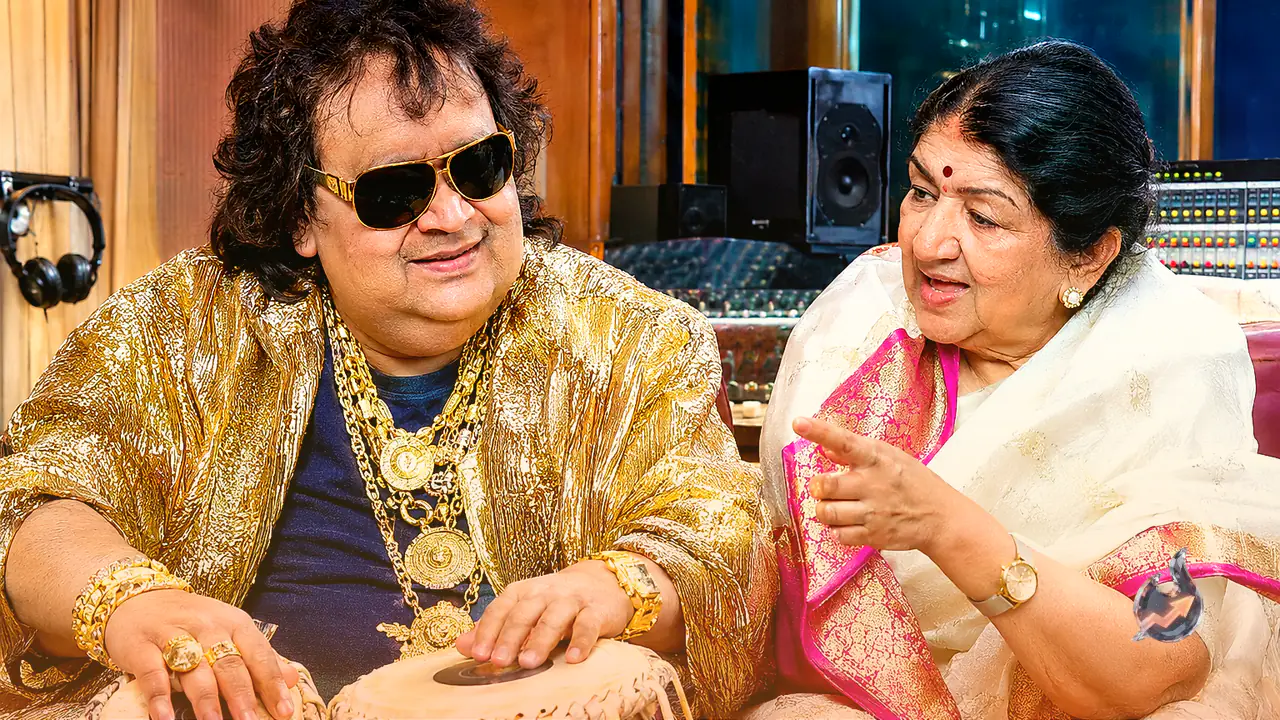
Recalling an interesting childhood memory in an interview, he once described performing on the tabla at an event held at Kolkata's Eden Gardens. Legendary singer Lata Mangeshkar was present in the audience and was deeply impressed by the young boy's rhythm and talent. She advised his father that the child should receive formal training from the renowned tabla maestro Pandit Samata Prasad. Following this valuable guidance, he began training under the master percussionist.
First Composition at Age Eleven
His musical curiosity did not stop at percussion alone. He gradually expanded his skills to the piano and various other instruments. Showing exceptional promise at an early age, he created his very first musical composition when he was only 11 years old. This piece was not for a feature film but for a special album released during the Durga Puja festival, featuring vocals by his father.
Entering Cinema and Delivering Chartbusters
He made his formal entry into Hindi cinema in 1973 with the film Nanha Shikari. However, his breakthrough came with the 1975 movie Zakhmi, which featured popular tracks that captured audience attention. This success opened doors to iconic projects like Namak Halaal, Himmatwala, Sharabi, and Disco Dancer, cementing his legacy with timeless dance numbers that remain popular today.
Iconic Style and Record-Breaking Feats
Beyond his music, his distinct persona became a cultural phenomenon. Drawing inspiration from American singer Elvis Presley, he cultivated a unique personal style characterized by multiple gold chains, oversized sunglasses, and flashy outfits. In the year 1986, he achieved a monumental milestone by recording over 180 songs for 33 different films, earning an entry in the Guinness World Records. Though he passed away on February 15, 2022, at the age of 69, his vibrant melodies continue to resonate across generations.