
In the rich tapestry of Indian cinema history, certain visionary filmmakers not only entertained audiences with compelling stories but also fundamentally transformed the entire art of filmmaking. The name of V. Shantaram stands proudly among these towering pioneers. Through his cinematic creations, he imparted crucial messages to society and introduced pioneering technical experiments in Hindi cinema that paved entirely new pathways for subsequent generations of directors. From acting to directing, he carved out a distinct identity in every domain and ruled the hearts of audiences for a lifetime.
Early Struggles and Passion for Art
V. Shantaram was born on November 18, 1901, in Kolhapur, Maharashtra, and his given name was Rajaram Vankudre. From a very young age, he harbored a profound interest in art and theatre. Driven by this deep passion, he began working with the Gandharva Natak Mandali. Given the difficult financial conditions of his family, he was forced to discontinue his formal education prematurely. Nevertheless, these severe hardships failed to dampen his burning zeal and passion for cinema, pushing him forward through relentless determination.
Stepping into Film at Age Nineteen
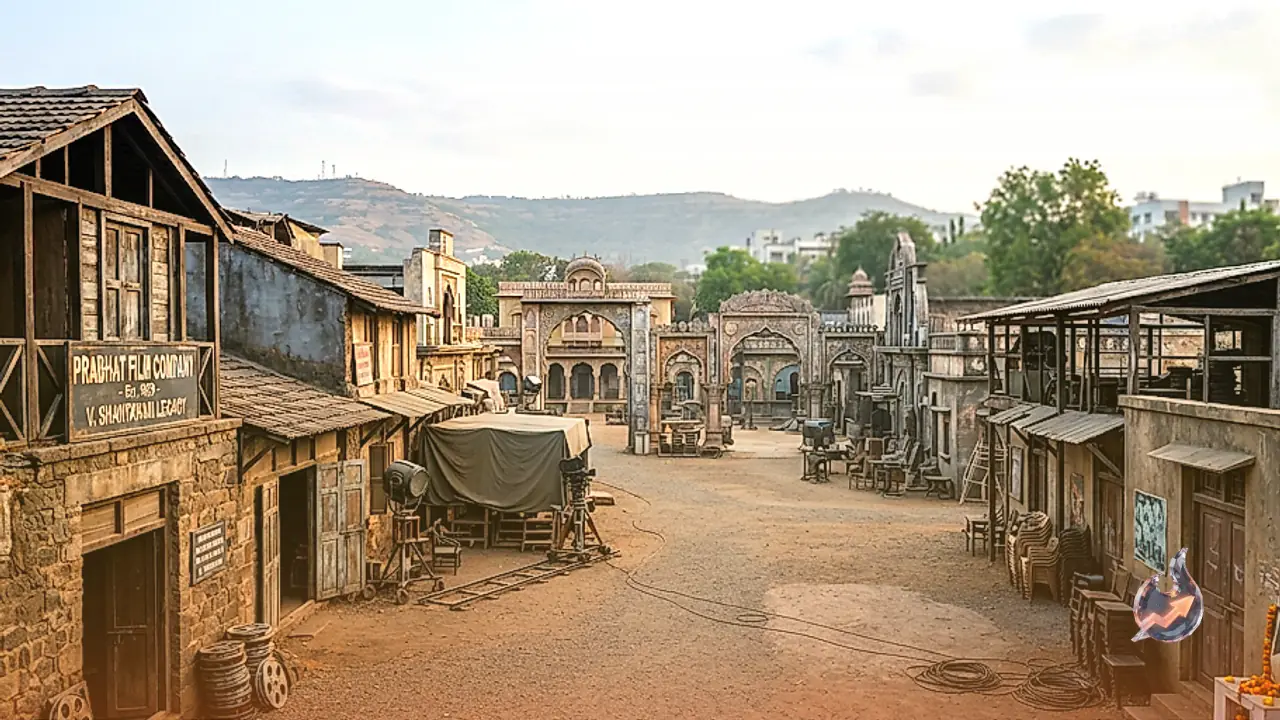
At just 19 years of age, Shantaram joined Baburao Painter’s Maharashtra Film Company to learn the intricate nuances of film production from the ground up. In 1921, he commenced his professional career as an actor in the silent film Surekha Haran. Working closely on sets, he gained a granular understanding of cinema and gradually transitioned toward directing. In 1929, he launched his own production banner, Prabhat Films. Under this studio, notable films such as Khooni Khanjar, Rani Sahiba, and Udaykal were produced. Shantaram’s hallmark was that he never restricted films merely to plots and actors; rather, he ensured every visual on screen offered viewers an entirely fresh experience.
Revolutionary Camera Techniques and Moving Shots
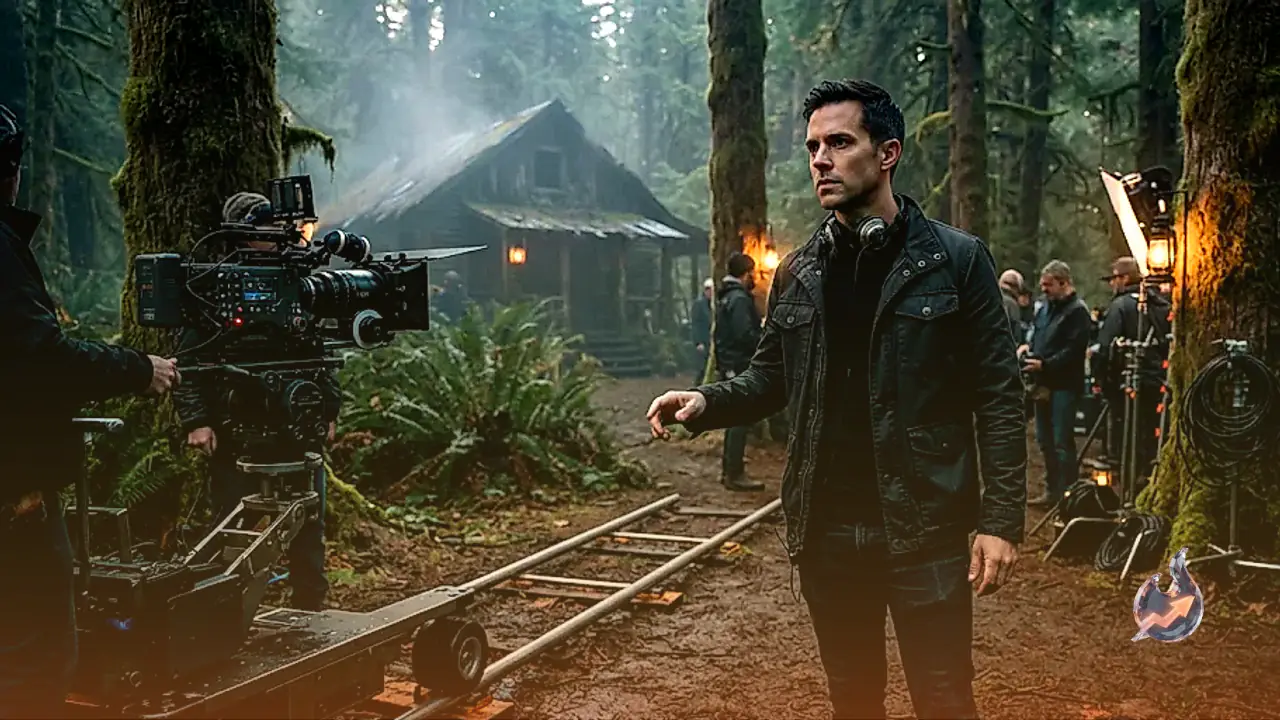
Armed with this progressive vision, he conducted numerous innovative experiments with camera operations. He played a pivotal role in popularizing the use of moving shots within Hindi cinema. Furthermore, by employing a trolley camera in the film Chandrasena, he completely modernized traditional shooting methods. Executing such experiments during that era was by no means easy, but Shantaram constantly sought to break new ground, forever pushing creative boundaries.
Blending Entertainment with Social Messages
Another defining characteristic of his cinematic work was the seamless integration of wholesome entertainment with profound social commentary. He deliberately selected narratives that compelled audiences to think deeply. His film Sant Tukaram achieved monumental success and recorded the distinction of being the first Indian film screened at the Venice Film Festival. Following his departure from Prabhat Films in 1942, he established Rajkamal Films and Studio in Mumbai, subsequently producing unforgettable masterpieces like Shakuntala and Jhanak Jhanak Payal Baaje.
International Acclaimed and Global Recognition
Released in 1958, his celebrated feature Do Ankhen Barah Hath earned immense acclaim both domestically and internationally. The film secured a National Award and was showcased at the Berlin Film Festival. It received the Silver Bear Award along with the Samuel Golden Award for Best Foreign Language Film. Alongside its gripping storyline, the movie's stellar camera work and advanced technical applications drew widespread praise from critics worldwide.
A Six-Decade Legacy and Enduring Impact
Spanning an extraordinary career of nearly six decades, V. Shantaram directed approximately 50 films. He firmly believed that cinema was not merely a medium of escapist entertainment, but a powerful instrument to drive societal transformation and awaken public consciousness. In recognition of his monumental contributions to Indian cinema, he was honored with the Dadasaheb Phalke Award in 1985. V. Shantaram breathed his last on October 30, 1990, leaving behind a timeless cinematic legacy that continues to inspire filmmakers globally.