















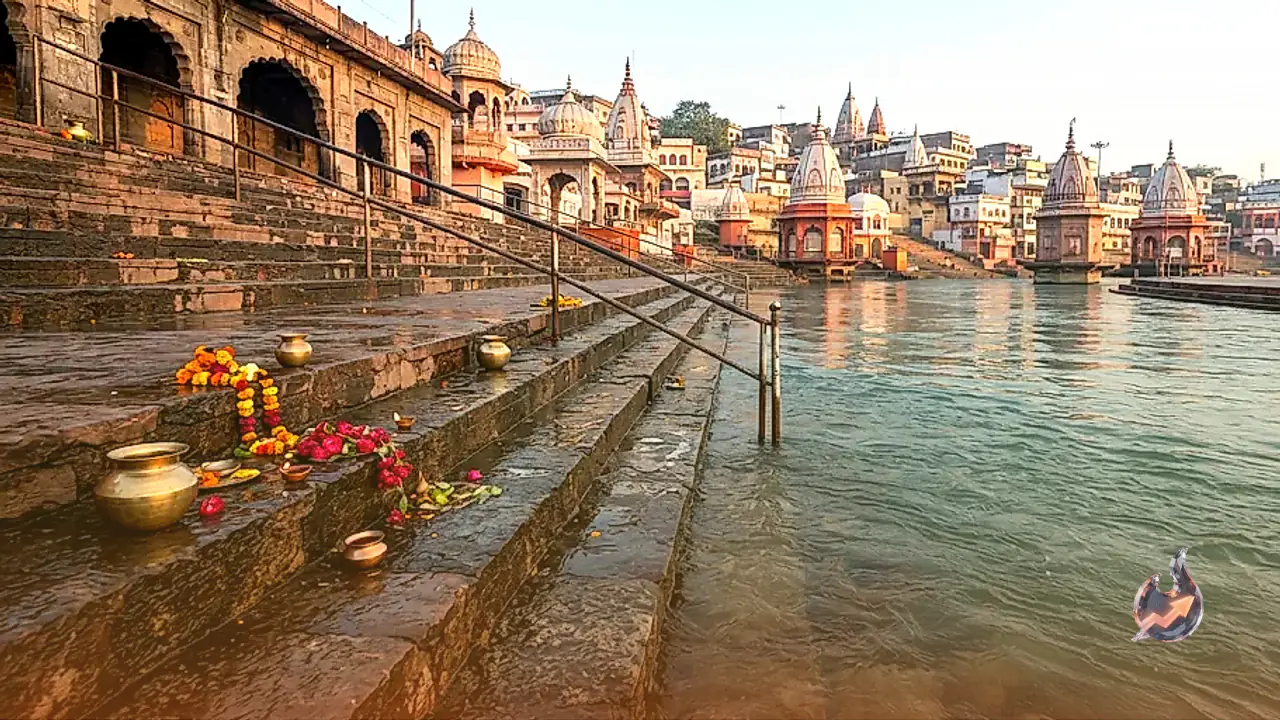

The holy town of Haridwar and specifically its Bhimgovda Barrage was once considered one of the safest and most favored winter sanctuaries for migratory birds arriving from distant regions like Central Asia and Europe. During the colder months, numerous species of foreign birds, including flamingos, used to undertake thousands of kilometers of long flight to reach the barrage. Tourists from far and wide would travel just to catch a glimpse of these winged visitors, but in recent times, the steady decrease in their numbers has become a matter of deep concern.
Key Reasons Behind the Decline
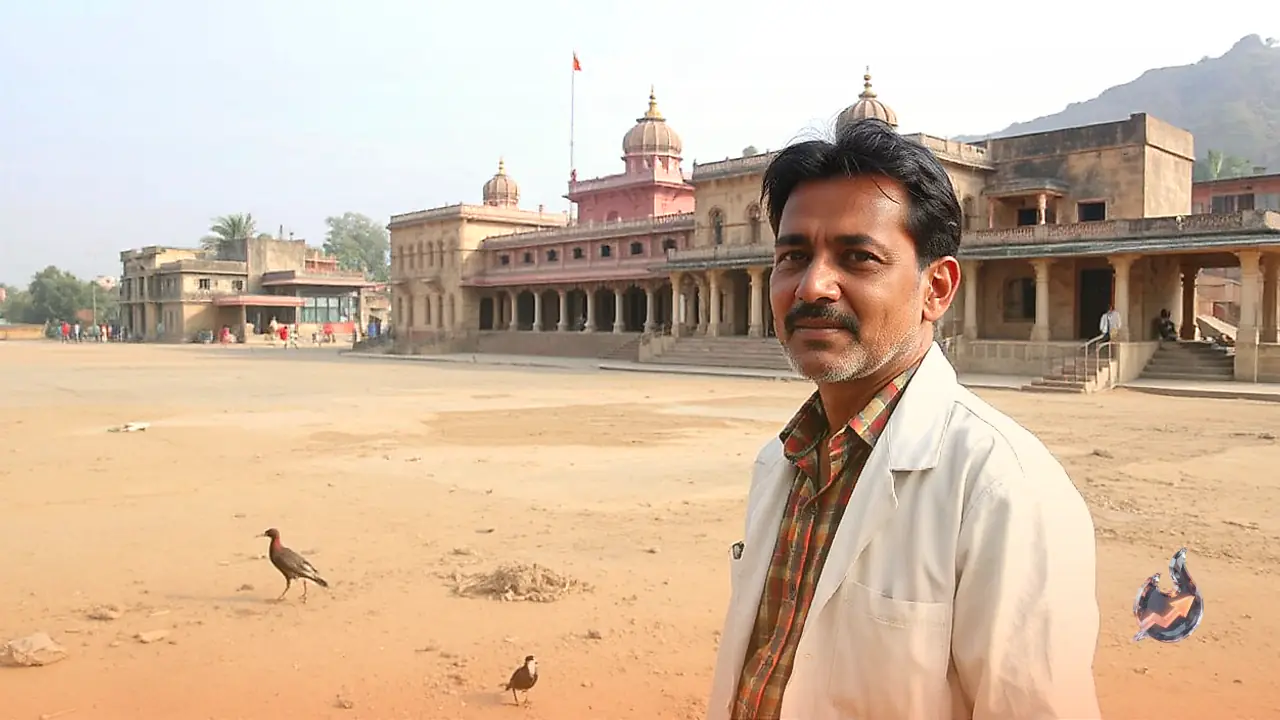
Birds such as the Siberian crane have nearly stopped visiting India altogether. Discussing the dwindling numbers of these migratory birds at the Bhimgovda Barrage, Dinesh Bhatt from the Department of Zoology at Gurukul Kangri University explains that hunting along their migration stopover routes is a major deterrent. Furthermore, due to global warming, milder weather conditions in their native northern habitats often eliminate the biological trigger for them to undertake such arduous journeys.
Human Interference and Modern Obstacles
Encroachment around water bodies, active river mining, the frequent movement of tractor-trolleys, and local poaching are among the heavy human interventions driving these foreign guests away. Modern infrastructure is also taking a toll on avian life. Tall glass buildings in urban centers across India and Europe are proving fatal for migratory birds. Because glass fails to reflect clear shadows, birds flying at high speeds frequently collide with these structures and perish. Dinesh Bhatt notes that he personally witnessed several birds that had fallen after striking glass buildings during his travels to Moscow and Canada.
Noise Pollution and the 2013 Disaster
Environmental disruptions have further aggravated the situation. The relentless roar of traffic day and night on highways constructed near water reservoirs creates noise pollution that drives the birds away from familiar sites. Specifically addressing the Bhimgovda Barrage in Haridwar, experts point out that the massive disaster in the year 2013 washed away a large island situated right in the middle of the barrage. The tall bushes on that island provided a secure hiding spot for birds during times of danger, but with that habitat permanently destroyed, birds have significantly reduced their visits to the location.