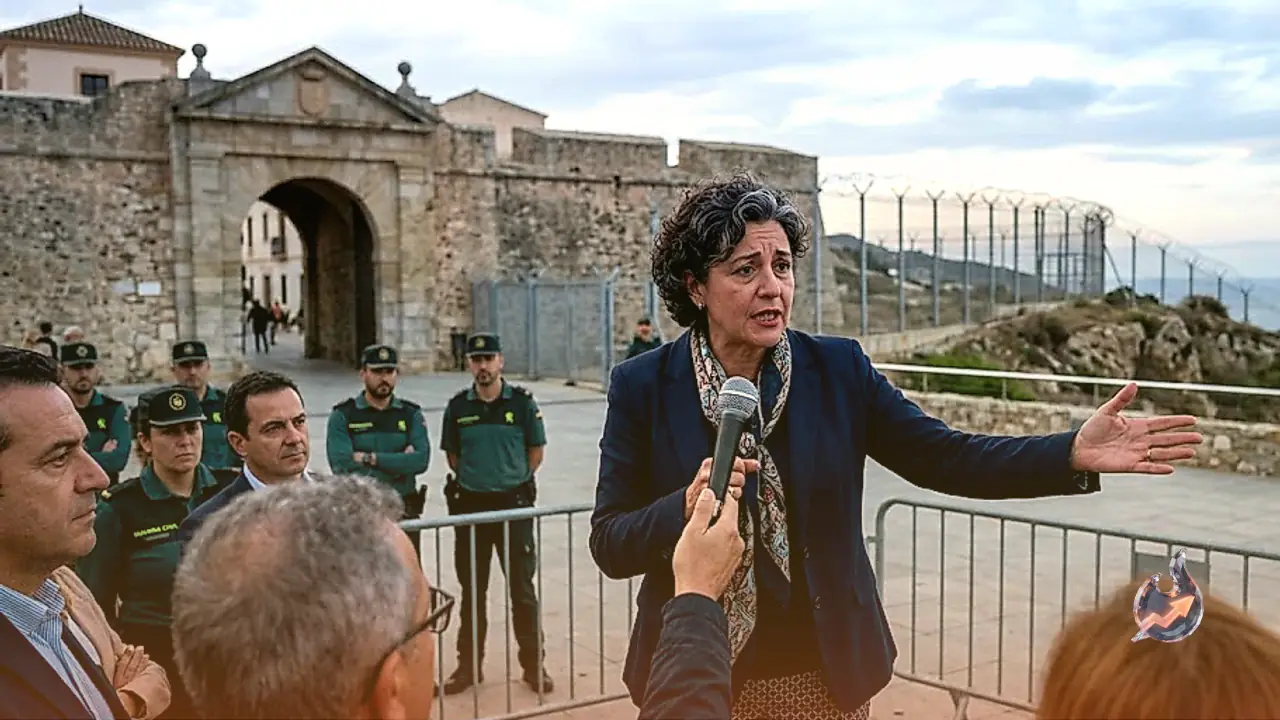






















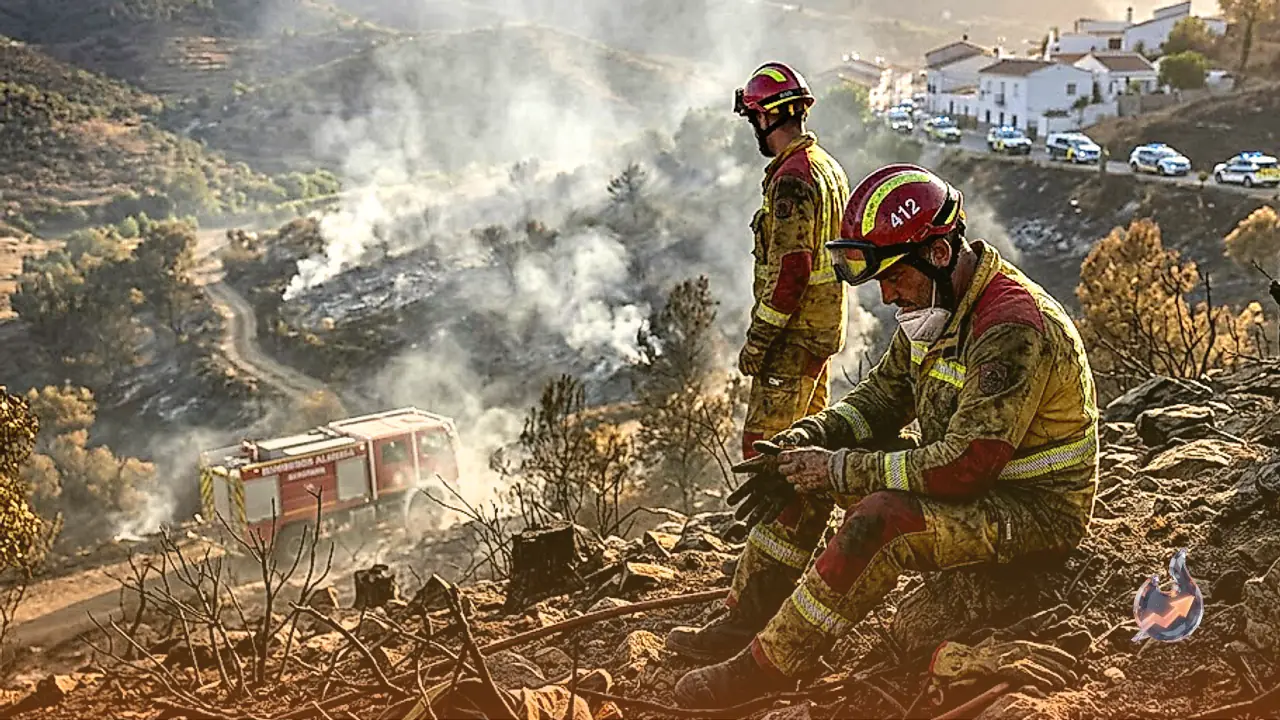

Thousands of firefighters are still working to contain one of Spain's deadliest wildfires on record in the country's southeast. The blaze in the Los Gallardos area of Almería has killed at least 12 people so far, and local officials have warned the death toll could still rise. There are fears that more British nationals may be among those killed.
A sustained heatwave has gripped Southern Europe this summer, particularly France, Portugal and Spain, with temperatures around 40C (104F) fuelling wildfires across the region.
Dry ground and powerful winds sent the fire racing across the countryside
Soaring temperatures, tinder-dry ground and powerful winds caused the Los Gallardos fire to spread rapidly on Thursday afternoon. Antonio Sanz, Andalusia's health and emergencies minister, said on Saturday that the fire had already burned across 6,600 hectares (16,300 acres) of land. The cause has been put down to a fallen power line, though local electricity companies have denied this. No additional information has been released about the four people who were found dead in a burnt-out car.
Sanz said weather conditions had improved overnight, allowing crews to face the day with better prospects than the day before. He said Saturday marked the first day teams would be able to mount a direct attack on the fire, after conditions and the blaze's behaviour had until then only allowed a defensive approach.
"It was like a bomb had gone off"
Lucinda Curtois, who had arrived in Spain with her partner Riyaz Cheytan and their teenage children for a holiday on Thursday, described their escape from Bedar. She said it was almost as if a mushroom cloud of smoke had risen, like a bomb had gone off. Curtois said she feared at least two other UK nationals had been killed. She said the pair had left their home on foot, though she did not know why, and could only presume their road had been cut off since they lived out in the countryside. Elsewhere, the fire was seen creeping towards residential buildings near the municipality of El Pocico.
Officials in Bedar said some of those who died had not taken a recommended evacuation route, though it remains unclear how well that guidance had actually been communicated to residents.
Victims' identities remain undisclosed
Neither Spanish authorities nor the Foreign Office in London have revealed the identities of the deceased. Sanz said the fast-moving fire had been complex, and that the majority, or even all, of the victims may have been foreign nationals. Belgian Foreign Minister Maxime Prévot said many Belgians own second homes in the country, and that consular services were trying to reach Belgians they had not yet been able to contact. The Los Gallardos area is home to a large number of foreign residents, deepening concern over exactly who has been affected.
Among the deadliest wildfires in Spanish history
With at least 12 confirmed dead, this fire already ranks among the deadliest in Spain's history. In 1984, 20 people died in a fire on the Canary Island of La Gomera. In 1979, 21 people, including nine children, died in a forest fire near Lloret de Mar in north-eastern Spain.
France fights its own fires as 32 people are arrested
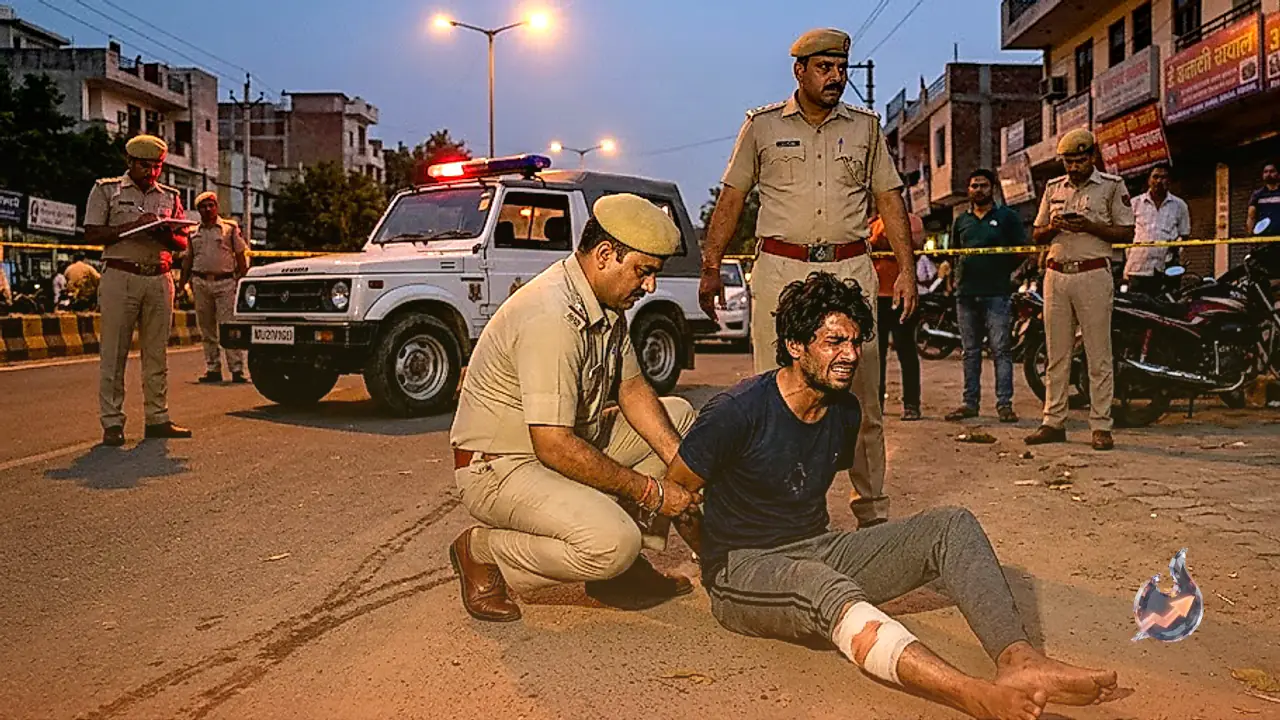
Spain is not alone in battling wildfires this summer. On Monday, more than 10,000 people were evacuated from their homes in the foothills of the French Pyrenees. In a social media post on Saturday, French Interior Minister Laurent Nuñez said 32 people had been arrested on suspicion of starting some of the fires. He said such unacceptable behaviour, which leads to disastrous consequences and puts firefighters' lives at risk, would now be brought before the courts.
A summer shaped by a fast-warming continent
Climate change is driving up temperatures around the world, and Europe is the fastest-warming continent, heating up twice as fast as the global average, according to the Copernicus climate service. That is fuelling more intense summer heatwaves, placing greater pressure on Europe's water supply, and making wildfires more severe.