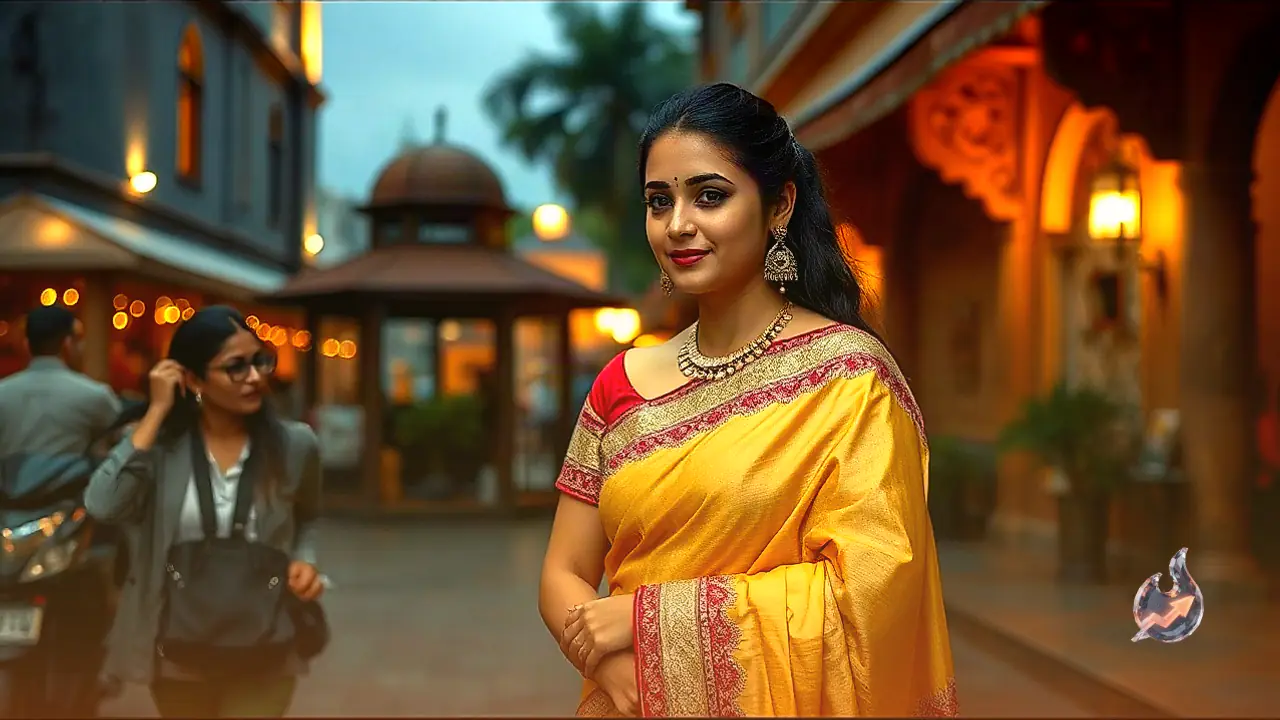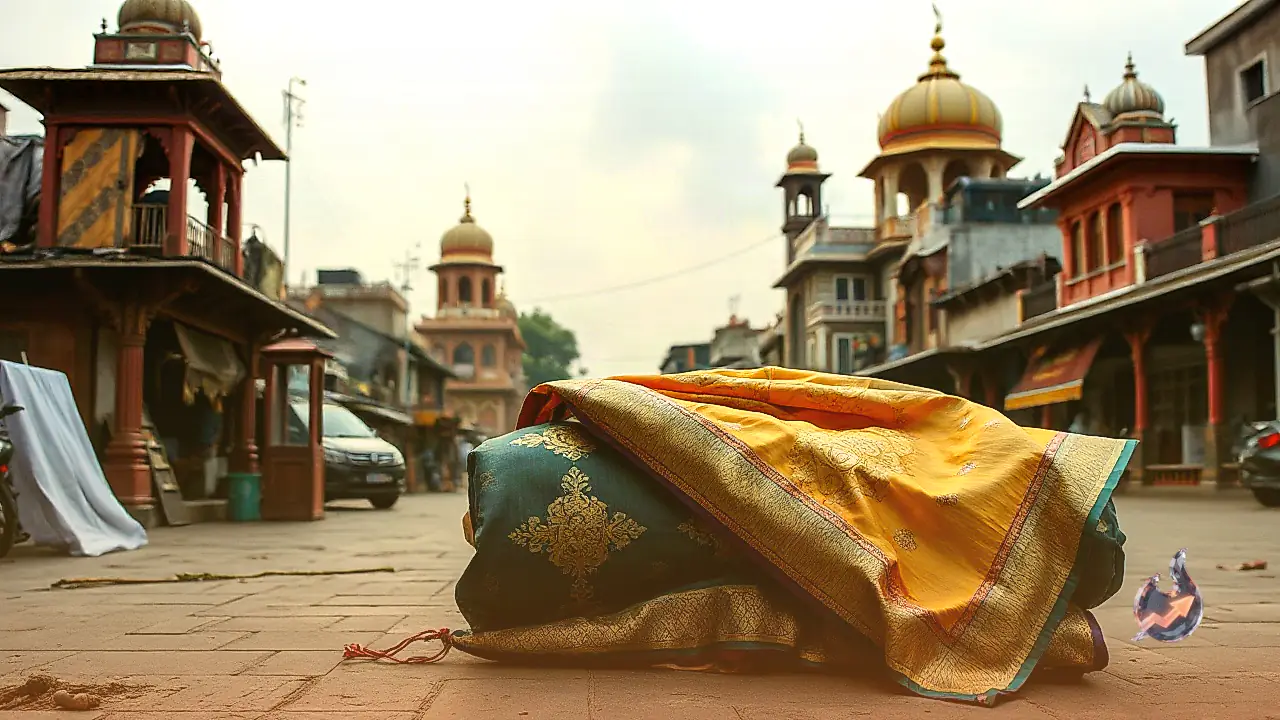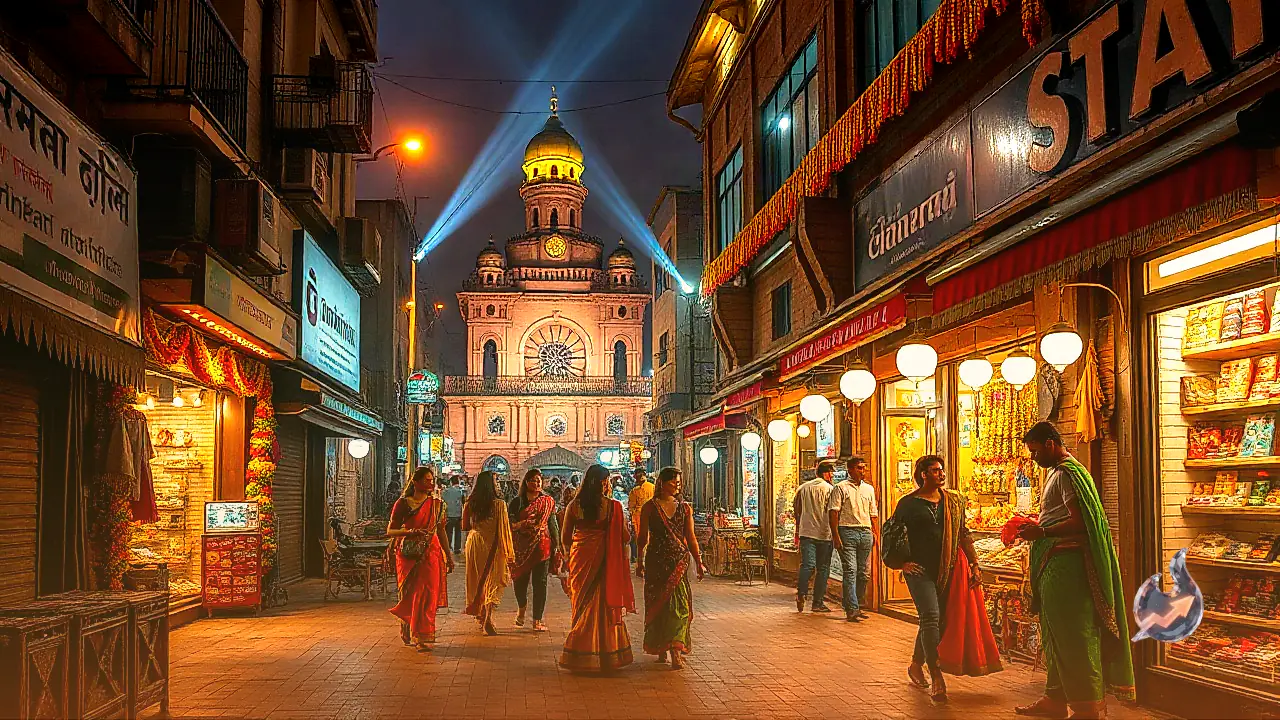





















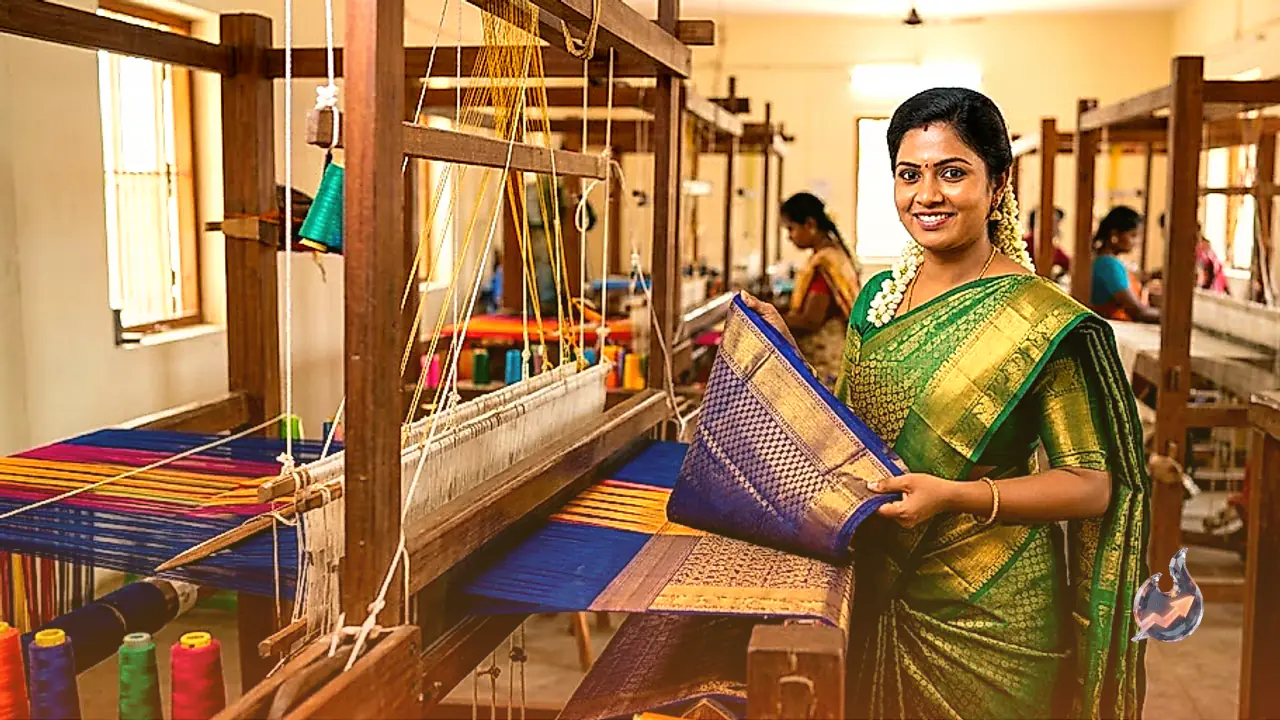

National Handloom Day serves as a tribute to India's vast textile heritage and the vital role played by its handloom sector. Across small towns, villages, and urban clusters, generations of weavers create extraordinary textiles using intricate traditional techniques. While handloom encompasses a wide variety of goods, silk and cotton sarees remain the most celebrated symbols of this artistic tradition. Each region of India has developed its own distinct weaving styles, dictated by local culture, climate, and historic trade influences. Examining the famous handloom sarees of different Indian states highlights the remarkable diversity of the country's craft lineage.
Northern India: Rich Silks and Fine Embroidery
Uttar Pradesh is globally renowned for its Banarasi silk sarees, crafted in the historic city of Varanasi. These sarees are distinguished by their ornate work using gold and silver metallic threads, known as zari and brocade. Weaving a single authentic Banarasi saree on a handloom can take artisans several weeks, months, or even years of continuous effort depending on the complexity of the design.
Punjab is famous for its expressive Phulkari embroidery. Traditionally crafted on dupattas, Phulkari motifs are now increasingly applied to handloom sarees, adding vibrant floral patterns to the fabric. In neighbouring Haryana, lightweight Resham Dhuriya sarees made from soft silk threads are valued for their simplicity and comfortable weave.
Western India: Vivid Dyes and Intricate Patterns
In Gujarat, Patola sarees represent the peak of handloom craftsmanship. Alongside Patola, the state's Ikat print silk sarees are widely sought after. These garments require precision weaving, where warp and weft threads are dyed prior to being woven into intricate geometric arrangements.
Rajasthan showcases a rich tradition of resist-dyeing techniques on handloom textiles. Leheriya, tie-and-dye, and traditional Bandhani sarees remain extremely popular. The vibrant colors and fluid patterns of these sarees reflect the cultural vitality of the desert state.
In the coastal state of Goa, weavers produce red checkered cotton sarees known as Kunbi sarees. These traditional cotton garments are woven primarily by artisans from local tribal communities.
Central and Eastern India: Texture and Heritage Weaves
Madhya Pradesh is celebrated for Chanderi sarees, woven from a fine blend of silk and cotton threads to produce a lightweight, sheer fabric. Chanderi silk is also used to handcraft suits and dupattas. In Chhattisgarh, Kosa silk sarees are highly prized for their natural texture, sturdy feel, and earthy tones.
Bihar produces Bhagalpuri sarees, crafted from Bhagalpuri Tussar silk known for its unique texture and natural sheen. In neighboring Jharkhand, weavers craft similar traditional sarees using tribal Tussar silk gathered from regional forest areas.
West Bengal is famous for its breathable cotton sarees. Baluchari sarees hold a distinctive place in Bengal's textile art, featuring elaborate woven borders and pallus depicting scenes from Indian mythology. Additionally, finely woven Jamdani sarees remain in high demand for their feather-light texture.
Hilly Regions and the North-East: Indigenous Silk Craft
Himachal Pradesh produces Kullu Patti sarees, where traditional geometric borders are artfully woven using fine Muga silk yarn. In the mountainous terrain of Uttarakhand, weavers create Panchachuli handloom sarees, recognized for their durable texture and regional pattern work.
In North-Eastern India, Assam is famous for its golden Muga silk sarees. Handwoven from wild silk yarn, Muga sarees possess a unique characteristic where the natural golden luster enhances with every wash.
Meghalaya is known for weaving soft Eri silk sarees on traditional looms. Sikkim produces sarees incorporating traditional Lepcha motifs, while Nagaland's handloom drapes are recognized for their dense, tightly woven structures and bold patterns.
Southern India: Grand Silks and Classic Borders
Southern India is home to some of the most prestigious silk weaving traditions. Tamil Nadu's Kanchipuram region is world-famous for Kanjeevaram sarees, revered for their rich sheen and vibrant color contrasts. Authentic handloom Kanjeevaram sarees are woven with heavy silk yarn, making them durable and substantial in weight.
Kerala is known for the minimalist Kasavu saree, characterized by plain white or off-white cotton fabric paired with a gold zari border.
Telangana's Pochampally sarees feature double Ikat patterns created on soft silk and cotton blends. Andhra Pradesh is famous for delicate Uppada Jamdani sarees, while Karnataka produces classic Ilkal sarees, distinguished by their signature red pallu and traditional border motifs.