























Regional Indian culinary traditions have perfected the art of creating deeply comforting dishes out of the most elementary kitchen supplies. Originating from the rural heartlands of Bundelkhand, Maheri stands as an exemplary heritage recipe that celebrates sheer simplicity. Built primarily upon grains cooked directly in seasoned buttermilk, this wholesome preparation delivers a cooling yet deeply aromatic profile that appeals to anyone seeking clean, restorative home cooking.
The Cultural Roots and Allure of Maheri
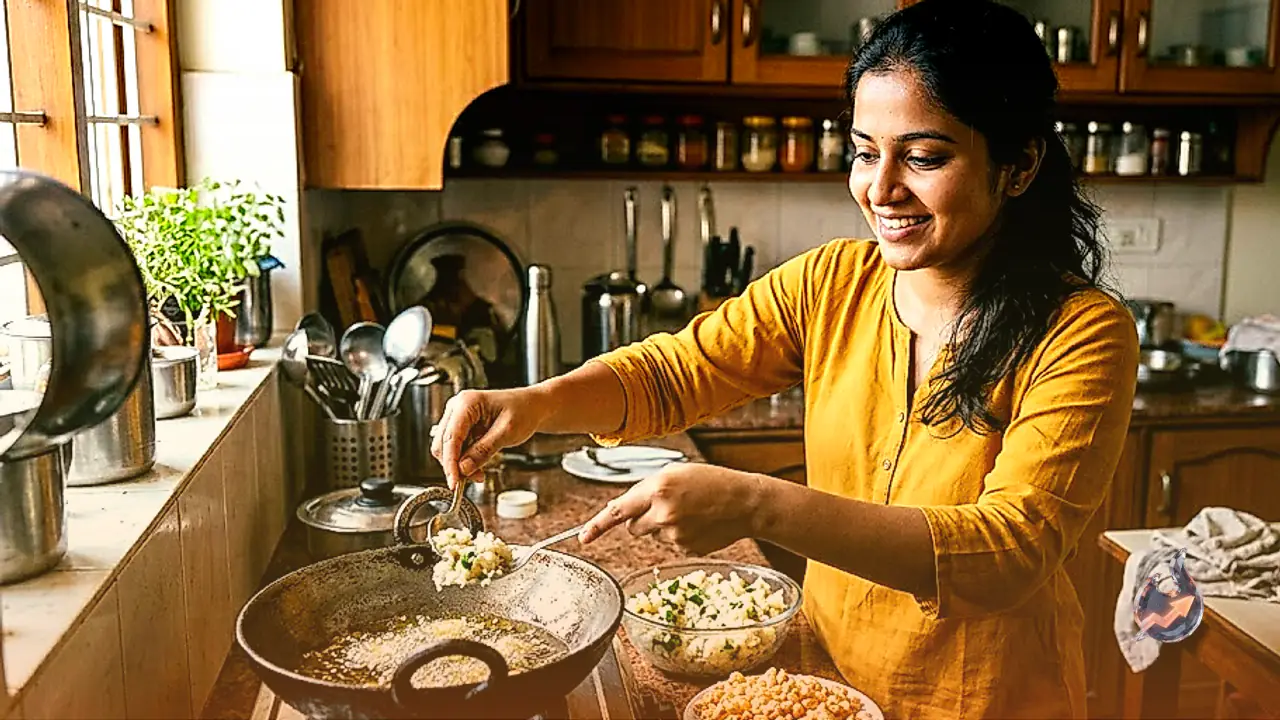
Across central India, domestic cooks have prepared Maheri for generations as a humble staple suited for changing weather and daily nourishment. The dish pairs simple white grain with tangy, freshly churned buttermilk, using a ghee-based spice tempering to transform modest ingredients into a comforting bowl of comfort. The distinctive crackle of mustard, cumin, asafoetida, curry leaves, ginger, and green chillies imparts an unmistakable rustic fragrance that defines authentic village kitchens. Home cook Riti Mishra demonstrated this authentic preparation through her kitchen setup, highlighting how basic cupboard ingredients can yield a restaurant-free gourmet experience without demanding technical culinary mastery.
Ingredient Proportions and Essential Prep Work
Crafting a balanced pot of Maheri requires precise yet everyday items. The recipe calls for 1 cup of standard rice, 2 to 3 cups of fresh plain buttermilk, approximately 1 cup of water, 1 to 2 tablespoons of clarified butter, half a teaspoon of brown mustard seeds, half a teaspoon of whole cumin seeds, 2 whole dried red chillies, and a generous pinch of asafoetida. For aromatics and seasoning, gather 1 teaspoon of ginger and green chilli paste, 8 to 10 fresh curry leaves, half a teaspoon of ground turmeric, regular table salt, a touch of black rock salt, and finely chopped fresh coriander. Before turning on the stove, thoroughly rinse the 1 cup of rice under clean water and let it soak for 15 to 20 minutes to soften the starches for uniform tenderness.
Tempering the Aromatics and Cooking the Grains
A heavy-bottomed pan or traditional kadhai works best to prevent the mixture from catching at the bottom. Begin by melting 1 to 2 tablespoons of desi ghee over moderate heat. Once the fat warms up, toss in half a teaspoon of mustard seeds, half a teaspoon of cumin seeds, 2 dried red chillies, and the pinch of asafoetida. As soon as the seeds sputter vigorously, stir in 1 teaspoon of minced ginger-chilli paste alongside 8 to 10 fresh curry leaves. Allow these botanicals to sizzle over a gentle flame for roughly 30 to 40 seconds, keeping a watchful eye to ensure the delicate spices release their fragrant oils without charring.
Scatter half a teaspoon of turmeric powder into the bubbling fat, mixing instantly to distribute the golden hue. Introduce the soaked and drained rice into the pan, tossing the grains gently for about 1 full minute over mild heat so the seasoned ghee coats every single kernel. Next, pour in approximately 1 cup of water, blend the components together, and cover the vessel. Let the rice simmer undisturbed over low-to-medium heat until the grains reach a half-cooked, yielding state.
Incorporating Buttermilk Without Splitting
When the rice shows visible softening and has absorbed the water, raise the stove heat slightly and begin introducing 2 to 3 cups of fresh buttermilk in a steady, progressive stream. The critical technique here lies in ceaseless stirring. Whisking the ladle rhythmically through the pot prevents the dairy solids from breaking or curdling against the thermal shock. Continue stirring uninterruptedly until the mixture breaks into a steady boil. At this juncture, season the liquid with standard salt according to personal preference, complemented by a sprinkle of digestive black salt.
Lower the burner back to a low setting, place the lid securely on top, and let the pot stew gently for 5 to 7 minutes. During this quiet simmer, the starch binds with the sour liquid, developing a rich, porridge-like consistency while softening the grains completely.
Finishing and Serving the Dish
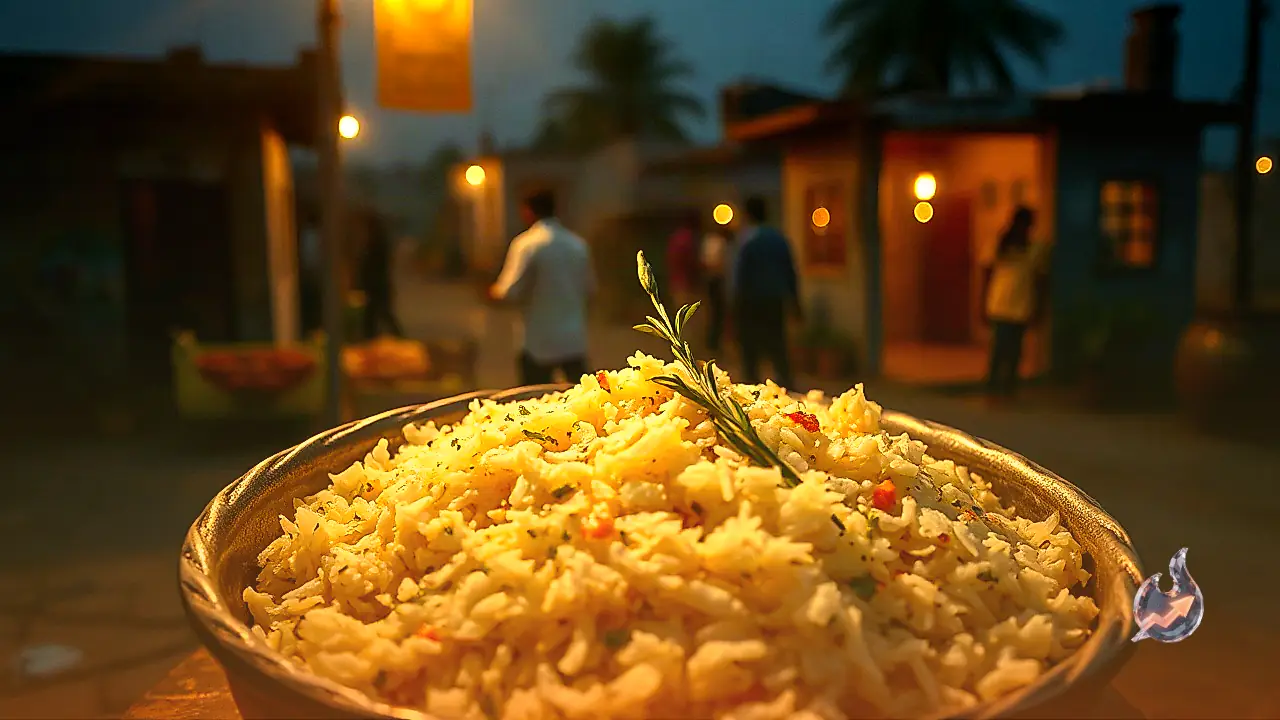
Once the Maheri achieves a thick, creamy porridge texture, take the kadhai off the flame. Finish the preparation by swirling in an extra spoonful of pure ghee and a vibrant shower of fresh coriander leaves. Stir gently to fold the herb through the dish. Ladle the piping hot Maheri into wide ceramic or clay bowls and serve immediately as a wholesome, nourishing meal that soothes the palate and aids digestion.