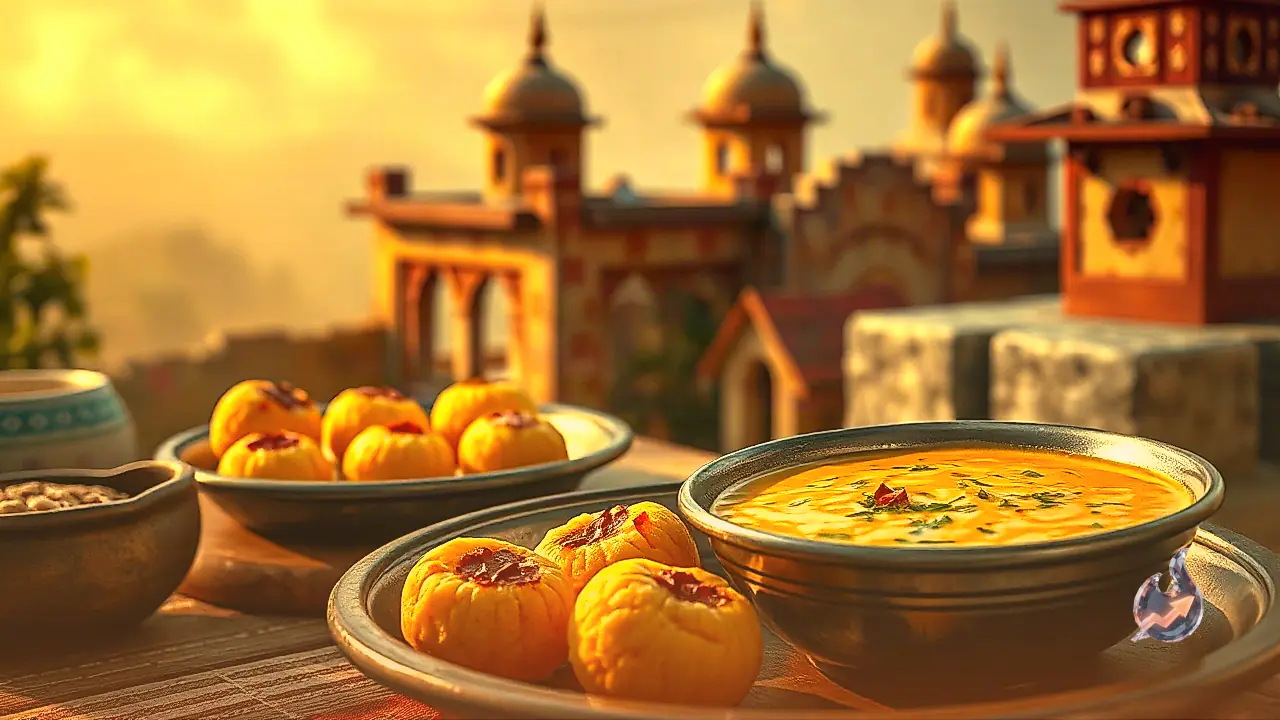
























Kadhi pakodi is a cherished traditional Indian comfort food that holds a special place on dinner tables. The secret to an extraordinary bowl of kadhi lies in the texture of the pakodas, which should ideally be soft, airy, and melt-in-the-mouth tender. However, home cooks frequently encounter the problem of dense or rubbery fritters that fail to absorb the savory yogurt gravy. By following a few time-tested culinary techniques, anyone can achieve perfectly spongy pakodas every single time.
Mastering the Whisking Technique for Maximum Airiness
The foundation of a soft pakoda begins with thorough whisking of the gram flour, also known as besan. Simply combining besan with water and immediately frying the mixture results in heavy, dense fritters. To create a light batter, beat the mixture continuously for 5 to 7 minutes in one direction after adding water. This rigorous whisking process incorporates tiny air pockets into the batter, expanding its volume. When dropped into hot oil, this aerated batter puffs up naturally, producing fritters with a delicate and pillowy interior.
Balancing Batter Consistency and Adding Curd
Achieving the correct thickness of the besan mixture is equally critical. If the batter turns out too thin, it will scatter across the pan and absorb excessive oil. On the other hand, an overly thick or stiff paste produces hard fritters with raw centers. The ideal consistency allows the batter to fall slowly and smoothly from a spoon without breaking apart too quickly. Furthermore, incorporating 1 to 2 spoonfuls of fresh curd into the besan mixture works wonders. Curd adds subtle moisture, lightens the density, and enhances the rich flavor profile of the pakodas.
Using Leavening Agents and Managing Frying Temperature
For an additional boost in softness, add a tiny pinch of baking soda or a small amount of Eno to the whipped batter. It is essential to keep this quantity minimal, as an excess of leavening agent can alter the authentic taste and cause the pakodas to break down in oil. Controlling the stove flame during frying is another decisive factor. Always fry pakodas over medium heat. Frying on high flame cooks the exterior rapidly while leaving the batter undercooked inside. Conversely, keeping the flame too low for a prolonged period makes the fritters absorb excess oil and become tough.
The Warm Water Soak Method and Optimal Rest Time
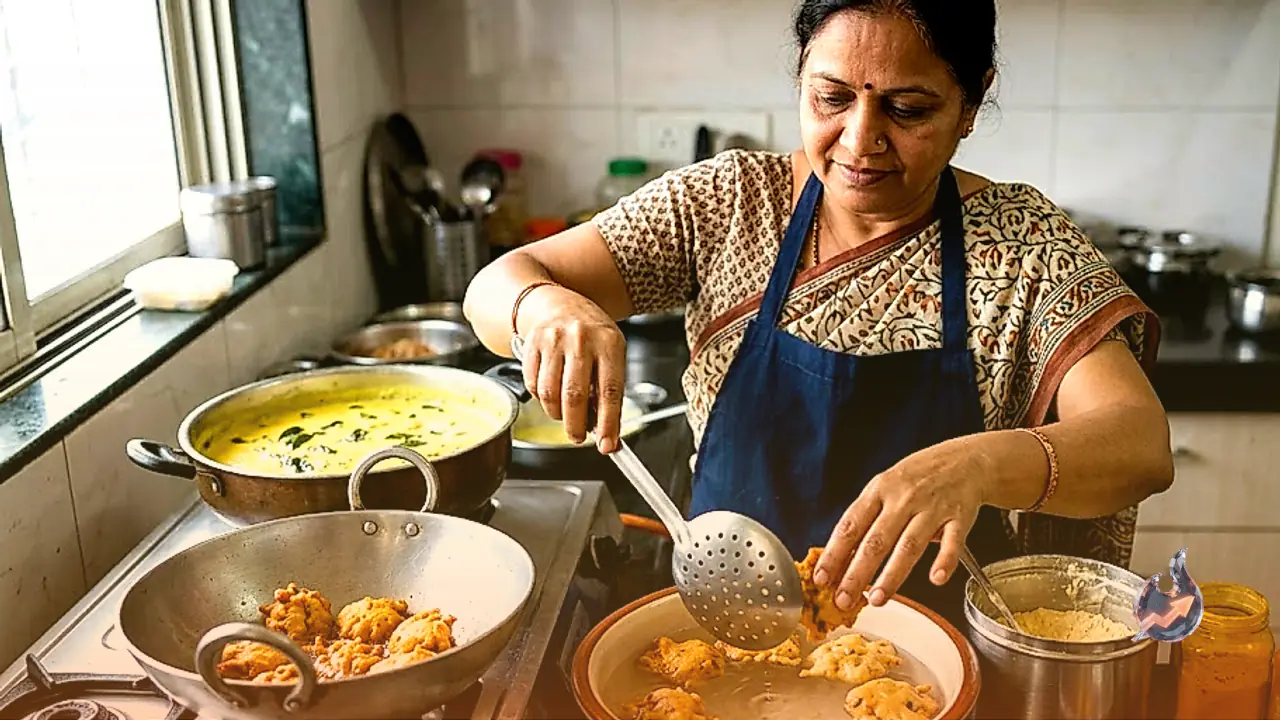
One of the most effective culinary secrets for supreme softness involves soaking the freshly fried pakodas. Immediately after taking them out of the oil, submerge the fritters in a bowl of warm water for 5 to 10 minutes. Afterwards, gently press each pakoda between your palms to drain out the excess water. This step relaxes the grain structure, making the fritters super supple. Finally, transfer the soaked pakodas into the warm kadhi about 20 to 30 minutes prior to serving. Allowing them to rest in the liquid ensures that they absorb all the spices and flavors of the gravy.