
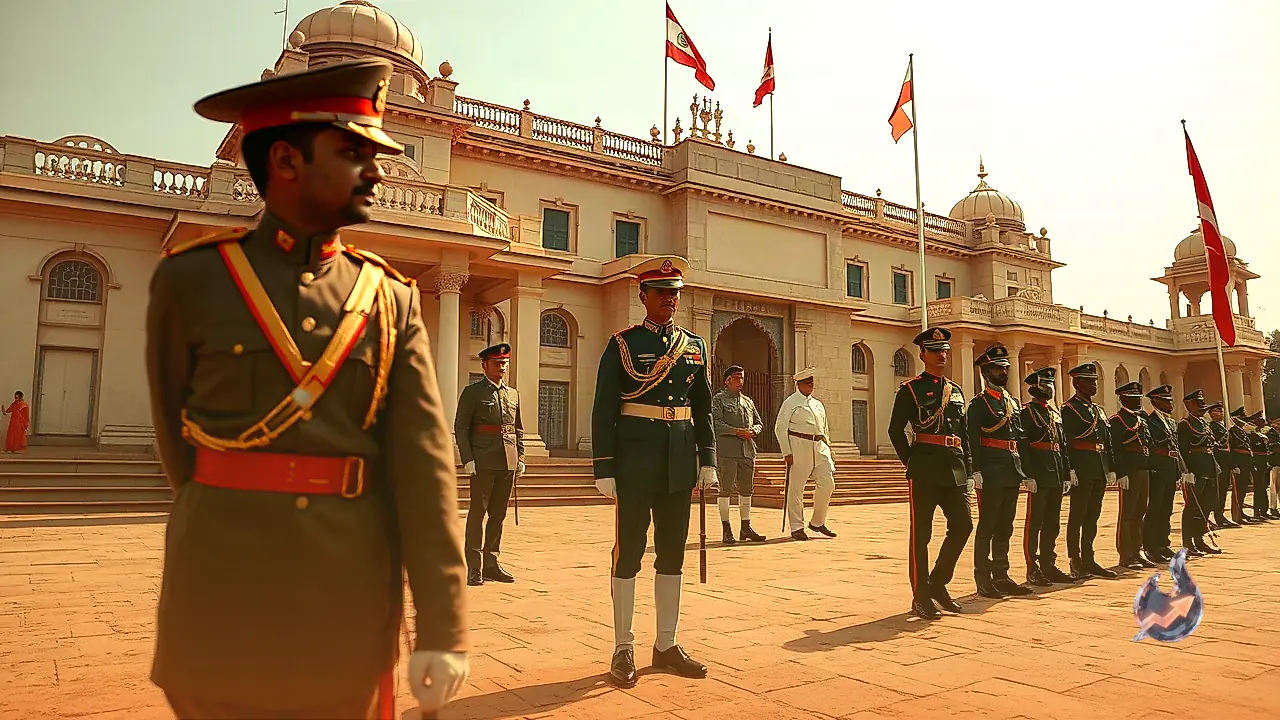

















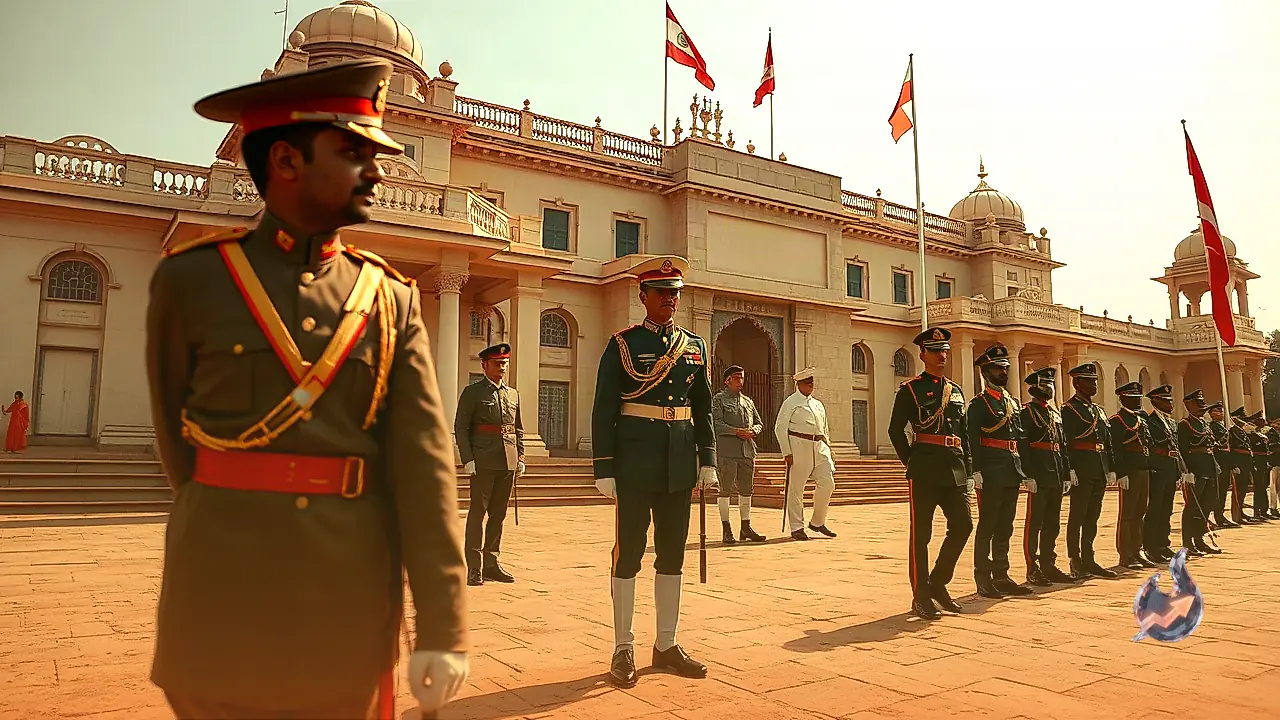

The military officers who accompany the President of India like a shadow have always sparked immense curiosity among the public regarding their selection and background. The position of Aide-de-Camp, commonly known as ADC, stands as one of the most prestigious, glorious, and responsible assignments within the country. Following the sudden departure of Major Rishab Singh Sambyal from this prominent role, public interest has surged regarding the exact pathway required to attain such a distinguished position within the corridors of power.
Eligibility Requirements for the Presidential ADC Role
The office of the presidential aide is not an open recruitment position, meaning ordinary citizens cannot apply for it directly. Eligibility is strictly restricted to commissioned officers serving in the Indian Army, Navy, and Air Force. To become a commissioned officer in the military, aspirants must successfully clear rigorous examinations conducted through the Union Public Service Commission such as the NDA or CDS tests. Once officers complete a minimum of five to seven years of active service, their previous service records, physical capabilities, and confidential assessment reports are evaluated to shortlist potential candidates. Across all three branches of the military, only twenty to thirty top-performing officers are selected for the initial phase, requiring candidates to maintain an exemplary standing within their respective units.
The Fourteen-Day Marathon Interview at Rashtrapati Bhavan
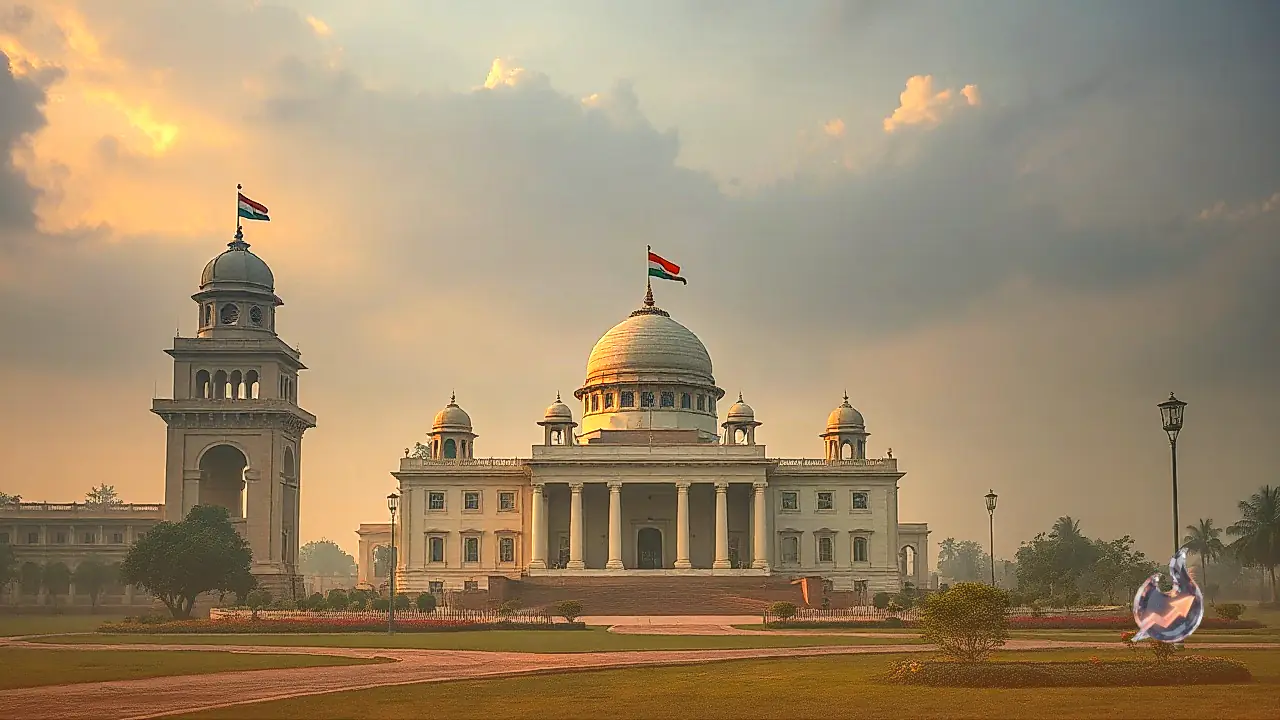
The selection mechanism for this role is widely regarded as one of the most challenging evaluation procedures in the nation. After clearing the initial shortlist at the service headquarters through current affairs and situational awareness assessments, merely five officers are summoned to Rashtrapati Bhavan in New Delhi for a relentless fourteen-day marathon interview. Senior military officials and the secretary to the president subject the candidates to intense psychological pressure to uncover vulnerabilities that might surface during emergencies. According to observations shared by Major Rishab, if a candidate shows weakness in geopolitics or any specific subject, the panel repeatedly presses on those exact areas. Throughout the fortnight, candidates are not told their mistakes directly; instead, evaluators test whether they can study overnight and demonstrate improvement the next day.
Personal Sacrifices and Unyielding Discipline
Fulfilling the duties of a presidential aide comes with strict conditions and boundaries that often astonish observers. While holding this esteemed office, an officer must remain separated from their family and personal life. Operating around the clock alongside the president leaves virtually no room for conventional living routines. Remaining constantly vigilant and staying fully informed about global developments forms an indispensable part of their daily schedule. Although serving as the presidential aide brings immense honor and respect, the heavy personal sacrifice and unwavering discipline required make it one of the toughest assignments imaginable.