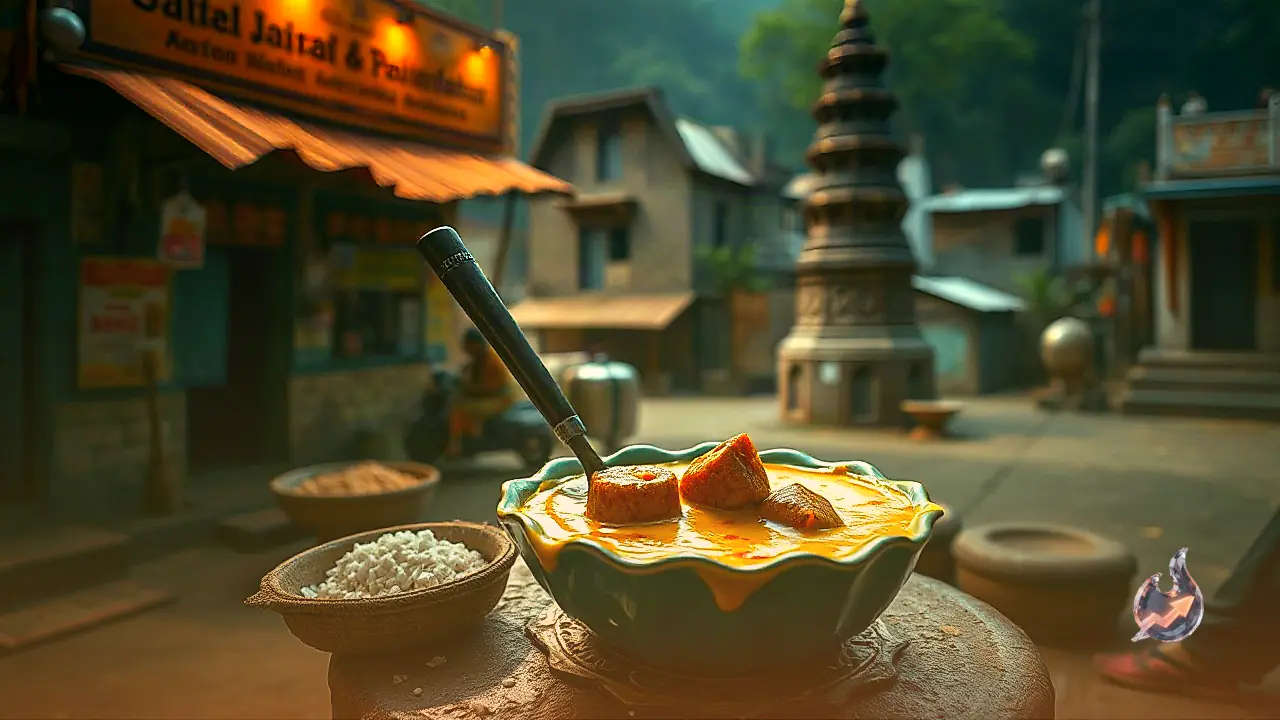




















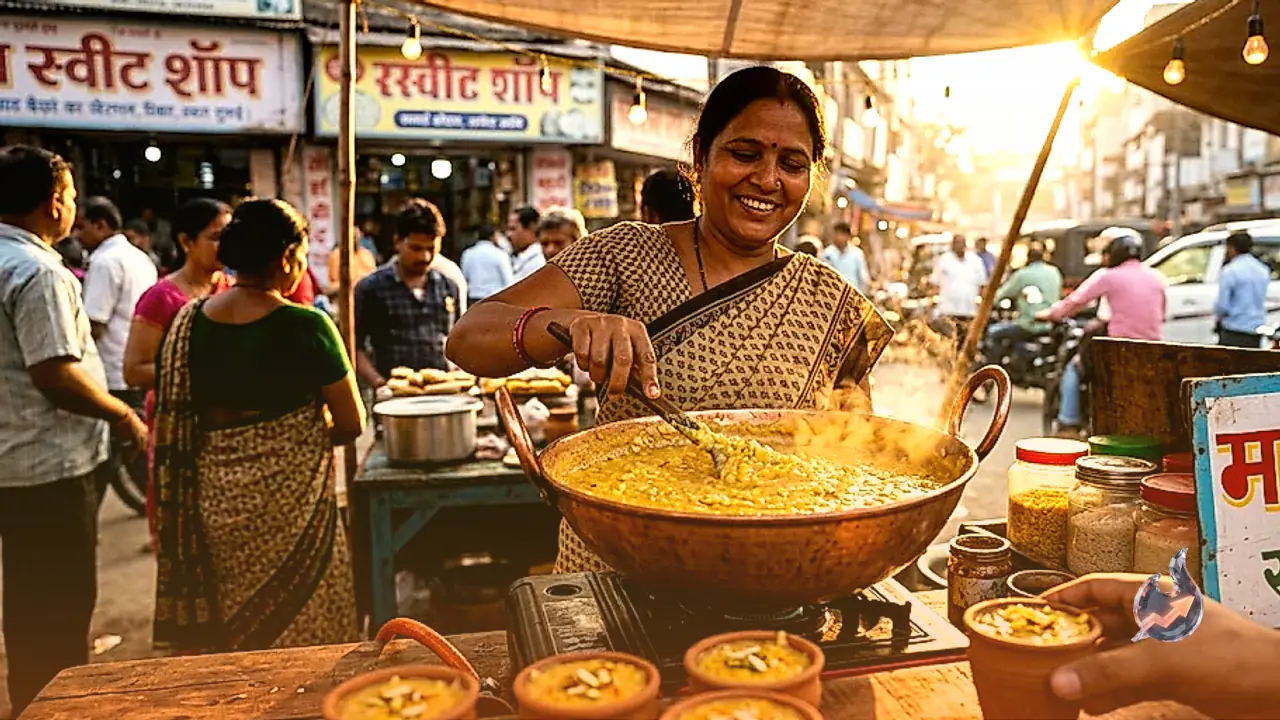

If you are tired of making the same kheer, halwa or sevai every time a sweet craving hits, it is worth trying makuti, a traditional dessert from Bihar. Made with a mix of milk, moong dal, rice, mawa and dry fruits, this dish stands out for its flavour, aroma and rich, creamy texture, qualities that put it a notch above everyday sweets. The best part is that it does not need any special or hard to find ingredients, everything required is usually already sitting in an average kitchen.
What makes makuti stand out
Whether guests are expected at home or the family simply wants something different for dessert, makuti works well for both occasions. Its taste is quite different from a regular kheer, every spoonful carries a distinct blend of milk, lentils and dry fruits. The sweetness of the milk, the slight thickness from the moong dal and the creamy body from the mawa come together to create a flavour that neither an ordinary kheer nor a halwa can quite match. Anyone who has not yet tasted this traditional Bihar sweet should try making it at home at least once.
Step by step method to make makuti
Start by washing the moong dal and rice thoroughly and soaking them in water for about an hour, this helps both cook faster and more evenly. Once soaked, put both into a pressure cooker and cook until one whistle sounds. After that, lower the flame and let it cook for about five more minutes before turning off the gas and waiting for the pressure to release on its own. Once the pressure is fully out, mash the cooked dal and rice well until the mixture turns completely smooth with no lumps, this smooth base is what gives makuti its signature texture.
While that is being prepared, bring milk to a boil in a large pan. As the milk heats up, take a little warm milk in a small bowl and soak saffron strands in it separately, so the milk absorbs the colour and aroma of the saffron properly. Once the milk in the pan starts to thicken slightly, add the mashed dal and rice mixture into it. This needs to be cooked on low flame with constant stirring, otherwise the mixture can stick to the bottom of the pan and burn, spoiling the taste of the whole dish.
Next, mash the mawa by hand and mix it into the milk, along with the saffron infused milk prepared earlier. If mawa is not available at home, it can be skipped altogether, but in that case a little extra milk should be used so the sweet retains its thickness and flavour. Let this mixture cook on low flame for about 15 minutes, then add sugar and powdered cardamom, cooking for another two to three minutes. Once done, turn off the gas and transfer the prepared makuti into a serving bowl. Garnish it with chopped cashews, almonds and pistachios on top, which makes the dessert look as impressive as it tastes. It can be served warm right away, or chilled in the refrigerator and served cold, the flavour holds up well either way.
Points to keep in mind while making makuti
- Always cook the milk on low flame, it brings out a noticeably better taste.
- Mash the dal and rice thoroughly so the final texture stays smooth.
- Add sugar only at the very end, this keeps the milk from curdling too soon.
- Lightly roasting the dry fruits before adding them enhances the overall flavour.
- If saffron is not available, cardamom alone is enough to give the dessert a great taste.
These may sound like small details, but following them makes a real difference to both the taste and texture of makuti. Cooking the milk slowly and adding sugar late in particular help prevent the milk from curdling or the mixture from burning.
Why this traditional recipe is worth trying
Makuti is not just another sweet dish, it is a special part of Bihar's traditional cuisine. The unusual combination of milk, lentils and rice sets it apart from most other desserts. Its creamy taste appeals to people of all ages, from children to elders. Anyone looking to make something new and delicious at home will find makuti to be an excellent choice that is also fairly simple to prepare.