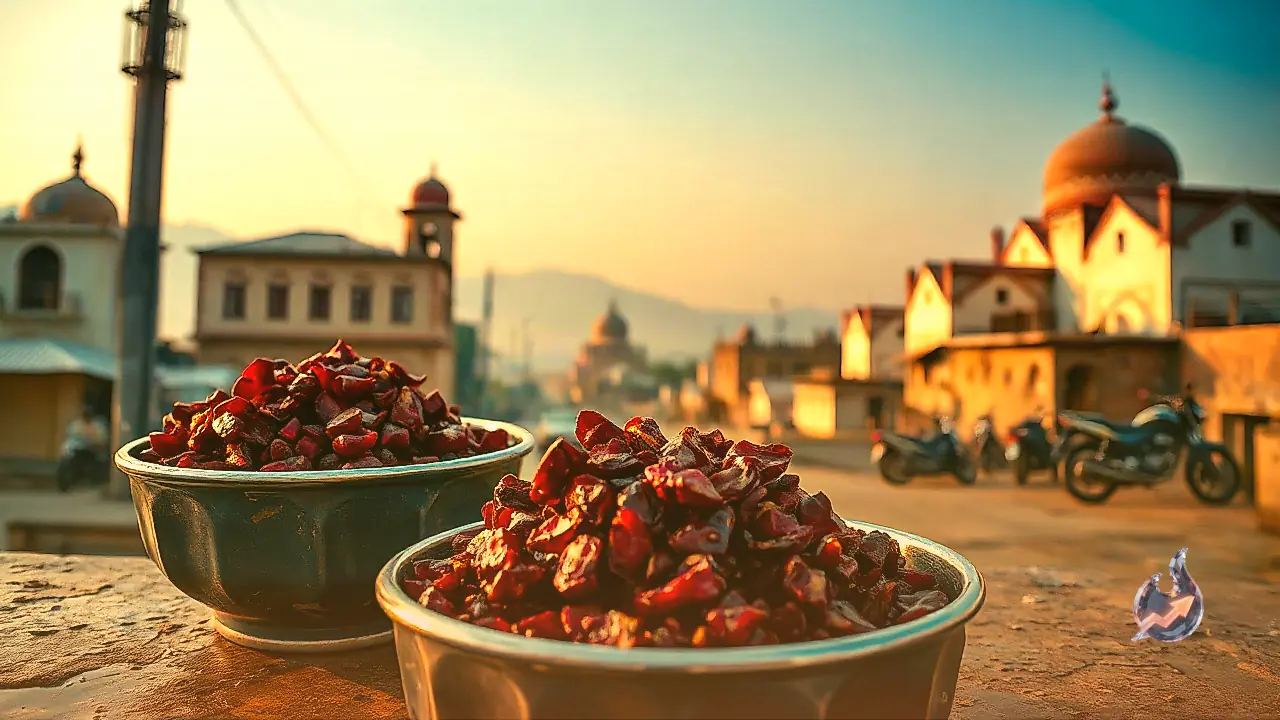


















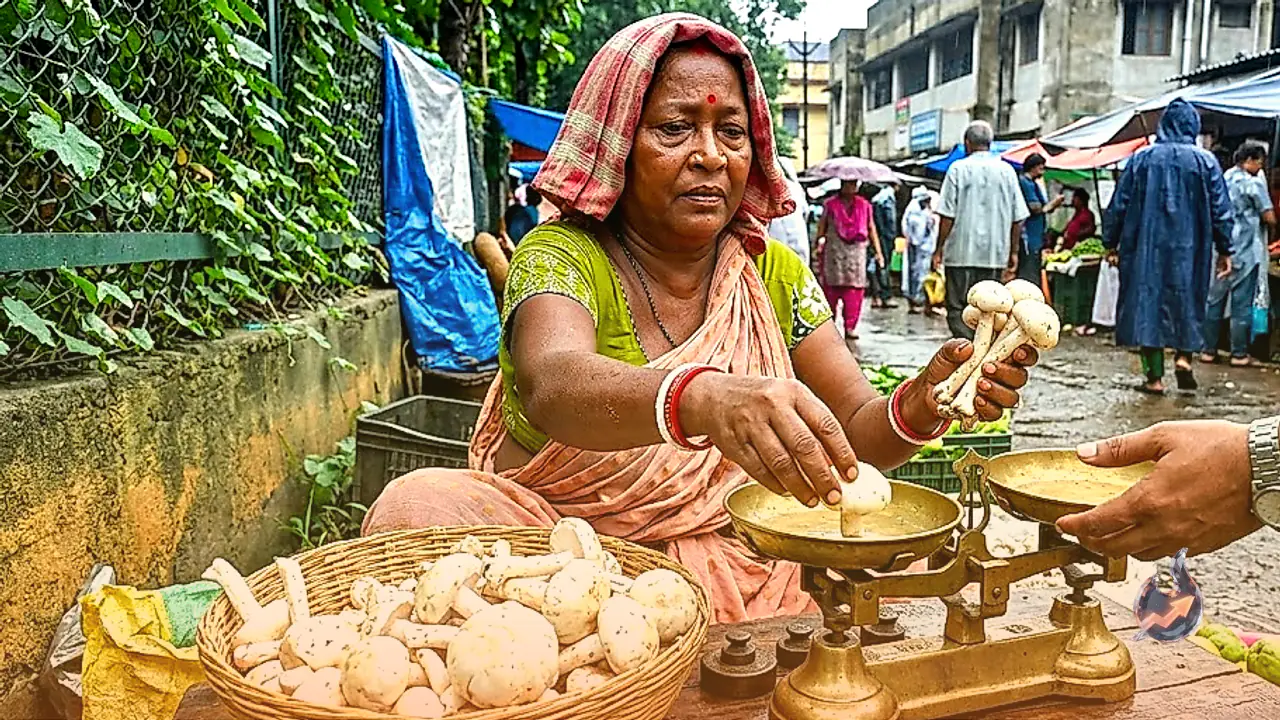

The first monsoon showers in Jharkhand have brought a seasonal favourite back to the markets of Jamshedpur: desi mushrooms picked straight from the forest. Sellers from rural pockets such as Saraikela, Patamda, Boram, Halipokhar, Sini and Hata are turning up at Station Road, Sakchi and nearby markets with baskets of wild mushrooms gathered from village forests. Prized for both flavour and nutrition, several varieties of this rain season mushroom are fetching Rs 1000 a kilo or more.
From the Forest to the Market
Premi Murmu, a woman from one of these villages, says that as soon as the rains begin, villagers head out into the forests and fields as early as four in the morning. The mushrooms grow around tree roots, on rotting wood, in piles of straw and on damp soil, and gathering them takes real care because telling the edible ones apart from the rest isn't easy. Once collected, the mushrooms are cleaned and packed into baskets and sacks before being carried to Jamshedpur's markets for sale. The whole cycle lasts only a handful of days each year, since the desi mushroom season is extremely short. Because they grow wild in the forest, they are also known locally as jungli, or wild, mushrooms.
Several Local Varieties on Sale
Markets right now are stocked with a range of desi mushrooms, including button mushrooms, straw mushrooms, bas karil and rugda, along with other local varieties. Rugda and bas karil in particular are considered an important part of Jharkhand's traditional food culture. Their flavour is distinctive enough that many people rate it above meat dishes. In the villages, these mushrooms are traditionally cooked as a vegetable curry, a thin jhol gravy or a dry bhujia, and are eaten with great relish.
A Taste That Rivals Mutton
Buyers say the curry made from desi mushrooms tastes nothing like the mushrooms usually found in the market. On flavour alone, it is often described as mutton for vegetarians. The mushroom carries a natural aroma and an earthy fragrance that lifts the taste of the entire meal several notches. That is why, despite the steep price, buyers keep coming back, with some customers even asking villagers they know to set mushrooms aside for them in advance.
Nutritious, But Only When Correctly Identified
Nutritionally, desi mushrooms are rich in protein, fibre, vitamins and various minerals, and are believed to help boost the body's immunity. At the same time, people are advised to buy and eat only mushrooms they can positively identify as safe, since some wild mushrooms found in forests can be poisonous, and a wrong identification can turn dangerous.
A Short Season That Brings Extra Income
For villagers, this brief season also doubles as a valuable source of extra income. Available for only 10 to 15 days a year, these mushrooms bring in a decent income for many families through their sale. In this short monsoon window, the forest's seasonal gift fills the pockets of villagers on one hand, and adds a distinctly local flavour to city dwellers' plates on the other.