


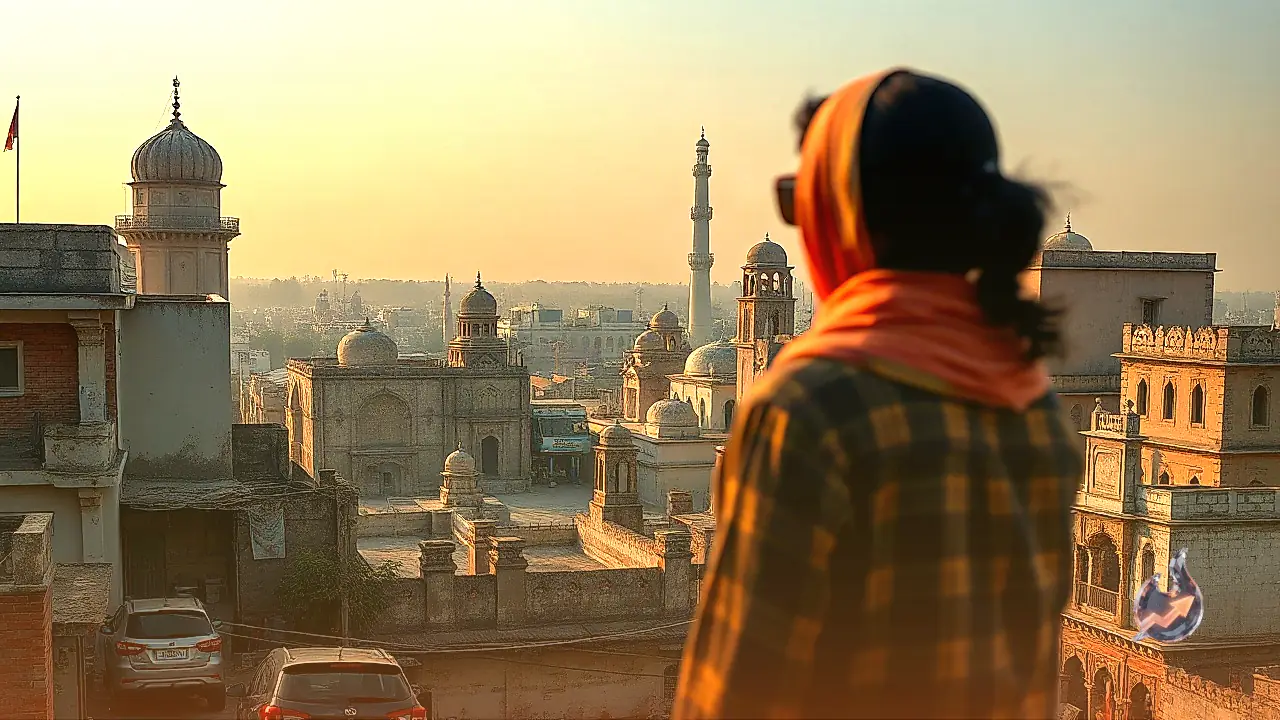

















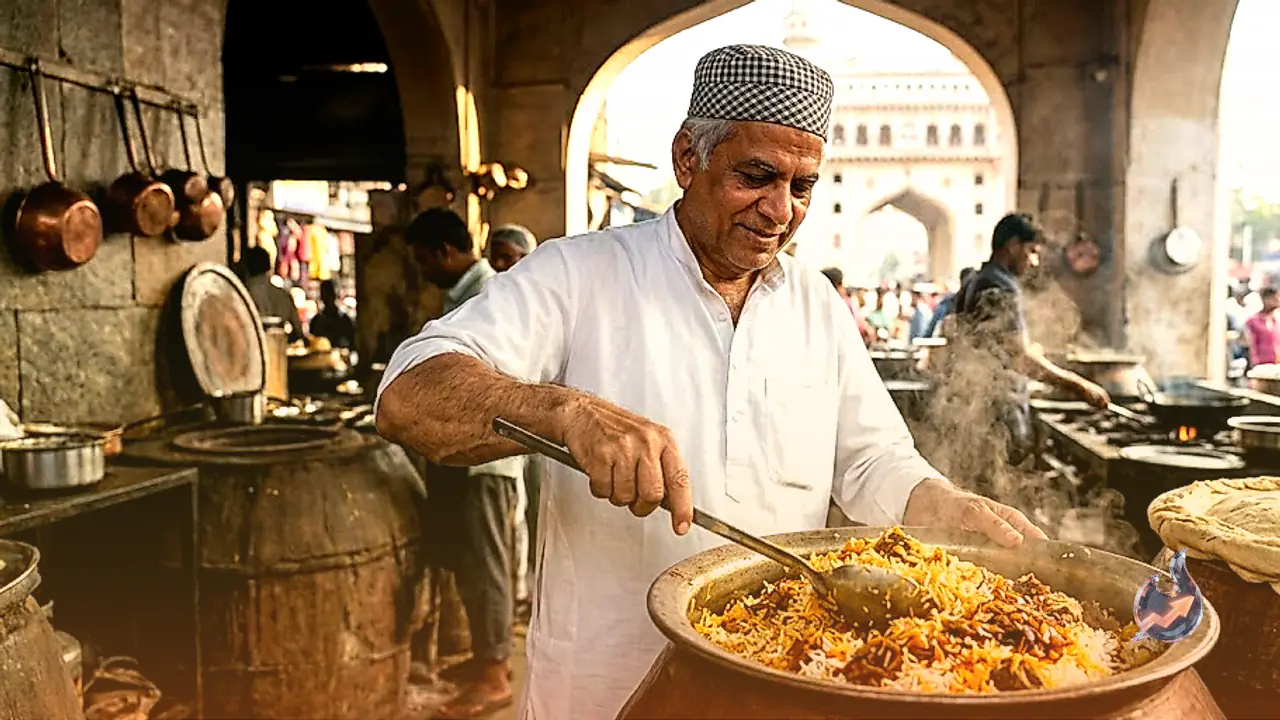

Whenever a special occasion, festival, or grand feast is celebrated across India, biryani invariably takes center stage. From the spicy, saffron infused aromas of Hyderabadi biryani and the delicate, refined flavors of Lakhnawi biryani to the unique addition of potatoes in Kolkata biryani and the distinct coastal notes of Malabar biryani, every region boasts its own passionate fan base. Owing to this immense regional popularity, many believe that biryani is an entirely indigenous Indian creation. However, food historians and culinary researchers present a far more complex narrative. The origins of this royal delicacy extend well beyond India's geographic borders, weaving together historical threads from Persia, Kabul, and the ancient trade networks of Central Asia.
Persian Royal Courts and the Ancient Art of Dum Cooking
A significant consensus among food historians traces the foundational roots of modern biryani back to ancient Persia, known today as Iran. In the royal kitchens of Persia, master chefs perfected a unique culinary method. They would first lightly sear or pan-fry long-grain rice in pure ghee or animal fat. Subsequently, tender cuts of meat, dry fruits, saffron, and aromatic spices were folded into the rice. The entire creation was sealed in a heavy vessel and cooked very slowly over low embers, a technique known today as Dum cooking.
This slow-steaming style of cooking enjoyed immense prestige within Persian aristocratic circles. As Persian merchants, soldiers, and travelers journeyed along trade routes connecting distant empires, they introduced this sophisticated preparation technique to new lands. Consequently, the Persian method moved across borders, integrating into the kitchens of major Central Asian trading hubs and absorbing local culinary influences along the way.
The Afghan Route and Babur's Culinary Legacy
Traveling along the Silk Road and medieval commerce channels, the Persian culinary tradition gradually entered Central Asia and Afghanistan. During this transition, regional cooks adapted the recipe by incorporating locally available ingredients and spices. Historical records indicate that by the 15th century, rice and mutton dishes had become staples of elite dining in Afghan cities such as Herat and Kabul.
In Afghan royal courts, a dish called Kabuli Pulao was reserved for grand banquets. Prepared using rice, mutton, carrots, raisins, almonds, and cardamom, it showcased a harmonious blend of sweet and savory elements. When Babur captured Kabul in 1504, he embraced these Central Asian and Persian gastronomic traditions. Later, following his establishment of the Mughal Empire in India in 1526, these culinary styles migrated with his court. Upon reaching the Indian subcontinent, these recipes merged with fragrant local Basmati rice and rich Indian spices, laying the groundwork for the modern Indian biryani.
From Military Field Rations to Mughal Royal Banquets
Another prominent historical theory centers on the evolution of biryani within India during the Mughal era. According to this account, the dish originated out of practical necessity on military campaigns. Commanders required a nutritious, filling, one-pot meal that could sustain soldiers in combat. Large cauldrons were used to cook available meat together with rice, creating a robust food supply for the troops.
Over time, this practical battlefield ration made its way into the royal kitchens of the Mughal court. Royal chefs transformed the humble military food into an exquisite masterpiece. They refined the preparation by introducing expensive saffron, rich dried fruits, fragrant spices, and the delicate Persian dum cooking technique. This transformation elevated a simple soldier meal into a regal banquet dish that defined royal hospitality.
Ancient Precursors in Ancient South India
Examining the deeper historical timeline, some food scholars highlight an ancient Indian predecessor that predates both Mughal rule and Persian contact. Historical texts indicate that around the 2nd century, a specialized rice and meat dish was prepared for warriors in the region of present-day Tamil Nadu. This dish was cooked using rice, pure ghee, meat, black pepper, and bay leaves.
While this ancient 2nd-century dish cannot be classified as modern biryani, culinary experts consider it one of the earliest documented rice and meat preparations on the Indian subcontinent. This suggests that the foundational concept of combining spiced rice with meat was already well established in India, creating fertile ground for Persian and Central Asian techniques to take root later on.
How Awadh and Hyderabad Shaped Regional Masterpieces
Regardless of its initial birthplaces in Persia or Central Asia, biryani acquired its celebrated global identity through the royal kitchens of Awadh and Hyderabad. In Lucknow, chefs developed the Pakki biryani method, characterized by subtle spicing, delicate aromatics, and gentle dum cooking that highlights the natural flavors of the meat and grain.
Conversely, in the royal courts of Hyderabad, the Kacchi biryani was perfected, wherein marinated raw meat and partially cooked rice are layered and slow cooked together under pressure. The Hyderabadi style gained fame for its bold spices, deep saffron hue, and rich flavor profile. Subsequently, distinct regional variants emerged across India, including the subtly sweet Kolkata biryani with potatoes, Kerala's aromatic Malabar biryani, Tamil Nadu's Ambur and Dindigul styles, and the tangy Sindhi biryani.
A Shared Heritage of Global Cultures
Evaluating the complete historical evidence reveals that biryani cannot be attributed to a single nation or culture. Its foundational cooking techniques emerged in Persia, traversed the trading routes of Afghanistan and Central Asia, and achieved its ultimate expression when fused with Indian spices, Basmati rice, and regional culinary genius.
Furthermore, ancient indigenous rice-and-meat traditions in India provided essential groundwork for this evolution. Today, enjoying a plate of biryani is not merely partaking in a meal, but experiencing a shared, multi-continental legacy crafted by centuries of trade, military history, and royal craftsmanship.