





















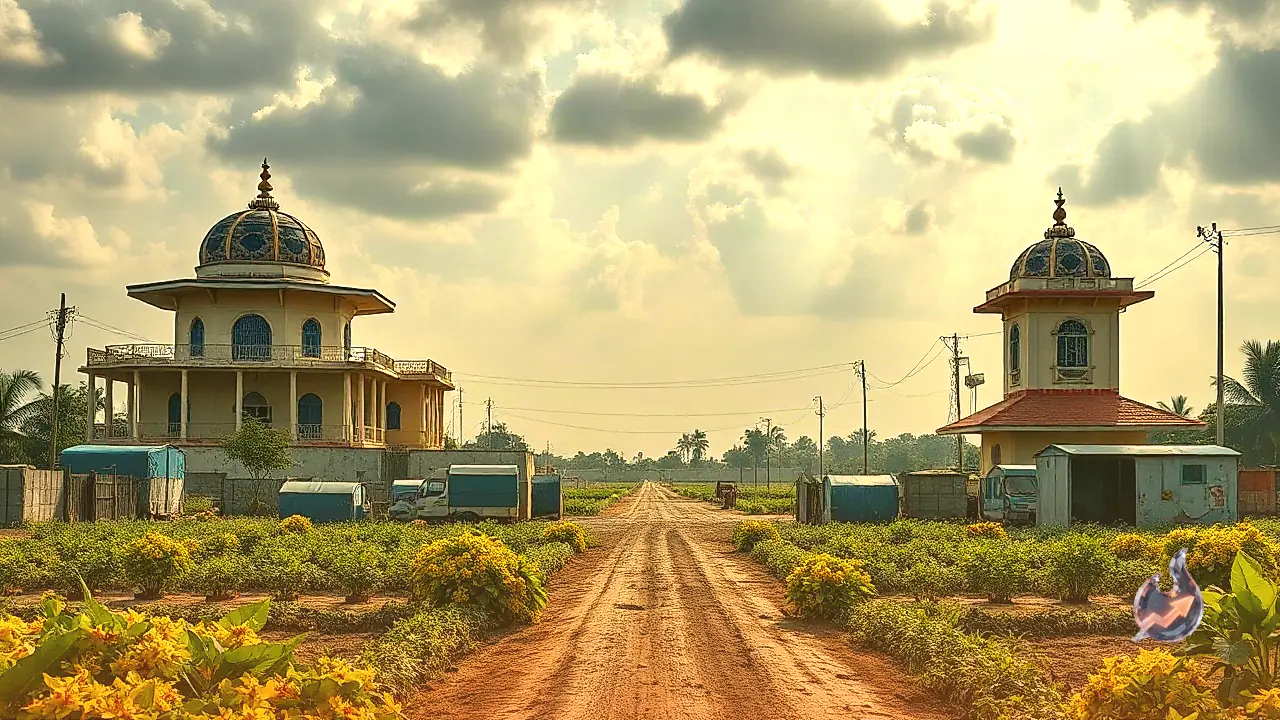

Telangana's agricultural landscape is witnessing a shift as growers look beyond conventional crops to explore more profitable options. October presents an ideal window for farmers in the state to adopt cassava cultivation. Locally known as tapioca or sabudana, this tuber crop offers substantial financial returns with minimal water requirements and moderate production costs, making it a highly resilient choice for the region's agricultural community. If basic light irrigation facilities are available, the period between October and November is considered the most suitable for its rabi sowing.
Ideal Soil and Climate Conditions in Telangana
The transition from the monsoon season to the gentle cool winds of October creates the perfect climate for cassava's early root development. The red and sandy loam soils found across several districts, including Khammam, Bhadradri Kothagudem, Nalgonda, and Mahabubnagar, are exceptionally well-suited for cultivating this root crop. Since the crop can withstand dry spells, it serves as a reliable option for fields with limited water resources, provided there is access to basic light irrigation facilities.
Scientific Sowing and Field Preparation Techniques
Cassava is not grown from seeds, instead, propagation relies on stem cuttings. To prepare the land, the soil must be plowed thoroughly two to three times to achieve a fine, loose texture. Following this, ridges should be constructed at a distance of 75 to 90 centimeters from one another.
Selecting healthy stems is crucial for a successful harvest. Farmers should cut these stems into pieces measuring 15 to 20 centimeters in length, ensuring that each cutting contains at least 4 to 6 active nodes. To protect the plants from soil-borne diseases, these cuttings must be treated with a suitable fungicide before planting. Once treated, they should be inserted vertically into the ridges at a depth of approximately 5 centimeters. Incorporating organic matter like well-rotted cow dung manure and potash during field preparation is highly recommended. Potash plays a pivotal role in ensuring the tubers grow thick and develop high starch content.
Irrigation and Harvest Management
Managing moisture is relatively simple with this crop. Utilizing drip irrigation to maintain a light moisture level every 10 to 15 days is sufficient. It is vital to prevent waterlogging, as stagnant water can lead to root rot and ruin the entire yield.
The crop matures over a period of 8 to 10 months. Once ready, a single acre can yield a robust harvest of about 10 to 15 tons of cassava.
Market Demand and Income Opportunities
The versatility of cassava drives its strong commercial value. It serves as the primary raw material for producing starch, sabudana (tapioca pearls), chips, and nutritious animal feed. Farmers can easily tap into established markets, with high demand coming from processing units in neighboring Andhra Pradesh and Tamil Nadu, alongside local wholesale markets. This combination of low maintenance, minimal risk, and high market demand makes October planting a highly viable path to economic prosperity for farmers in Telangana.