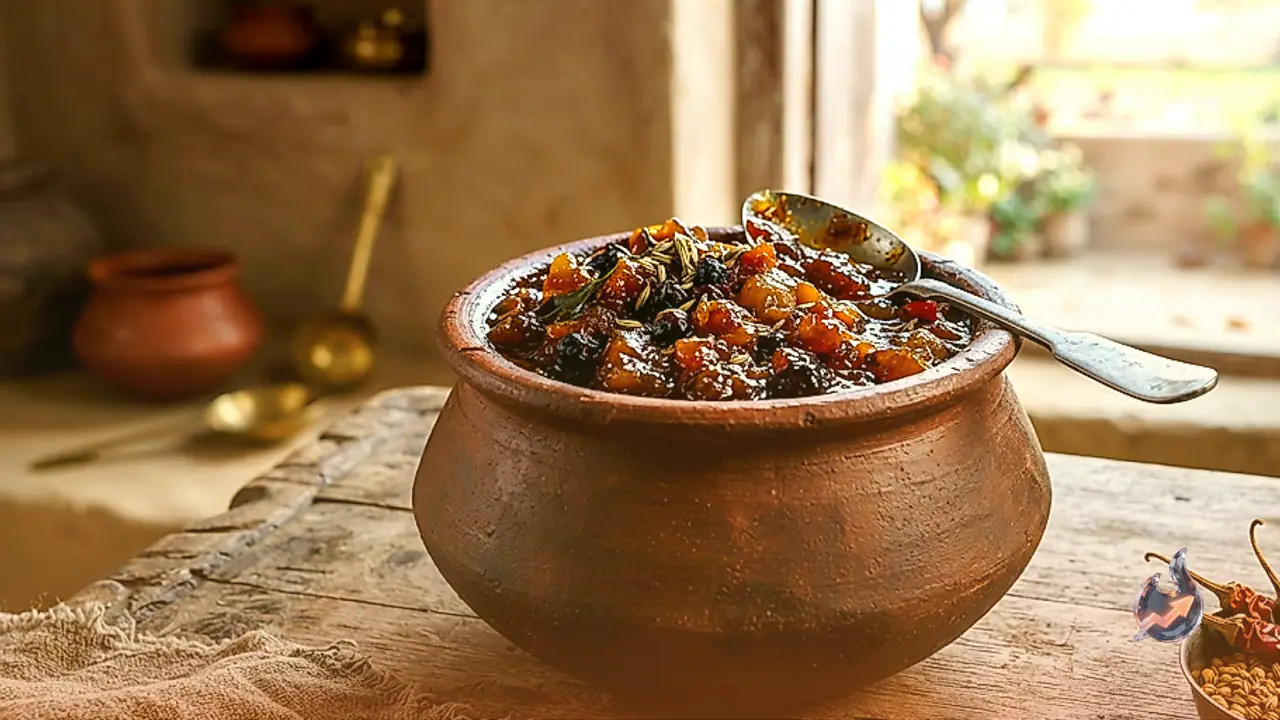

As the winter season begins to set across Rajasthan, a noticeable shift takes place in the traditional culinary habits of the region. During the chilly months, locals prepare various dishes that offer both great taste and essential warmth to the body. In Jalore as well, bajra rab holds a special place in household kitchens throughout the winter period. While bajra is commonly known for making flatbreads, locals also use the same flour to prepare a delicious and warming soup known as rab. Served piping hot, this traditional preparation is loved by everyone in the household, ranging from young children to elderly members.
Simple ingredients make it an easy household dish
The most remarkable feature of bajra rab is that it does not require an elaborate list of ingredients to come together. Basic pantry staples such as bajra flour, ghee, mustard seeds, cumin seeds, and water are all it takes to whip up this wholesome dish. This simplicity is precisely why it remains a household favorite across rural and domestic kitchens alike. As the temperature drops, families readily turn to this comforting recipe to keep themselves warm and nourished throughout the winter months without spending hours in the kitchen.
The crucial step of roasting flour on low heat
The preparation process begins by taking a little bit of ghee in a pan. Bajra flour is then added to the pan and roasted thoroughly over a low flame. It is extremely important to keep stirring the flour constantly so that it does not stick to the bottom, burn, and instead gets cooked evenly. As the flour continues to roast, its distinct aroma begins to change, signaling that it is ready for the next step of cooking.
Blending spices and water to achieve the right consistency
Once the flour is roasted, a tempering of mustard seeds and cumin seeds is prepared in a separate pan using a little ghee. The roasted bajra flour is added to this tempering and mixed thoroughly. Water is then poured in gradually while continuously stirring the mixture to prevent any lumps from forming in the flour. Salt and a small amount of red chili powder are added according to taste. After adding water, the mixture is allowed to simmer for a while until it gradually thickens. Once the rab reaches a soup-like consistency, it is ready to be served hot.
A cherished seasonal tradition in local homes
Leela Devi, a homemaker who frequently prepares the dish, shared that making bajra rab at home is a regular winter routine. She explained that the bajra flour is first roasted properly in ghee, after which a tempering of mustard and cumin is added along with water and cooked thoroughly. When the mixture thickens, it is enjoyed piping hot by everyone from children to adults. Jalore experiences a heavy demand for hot meals as winter intensifies, making bajra rab a reliable and quick traditional recipe that comes together in very little time.