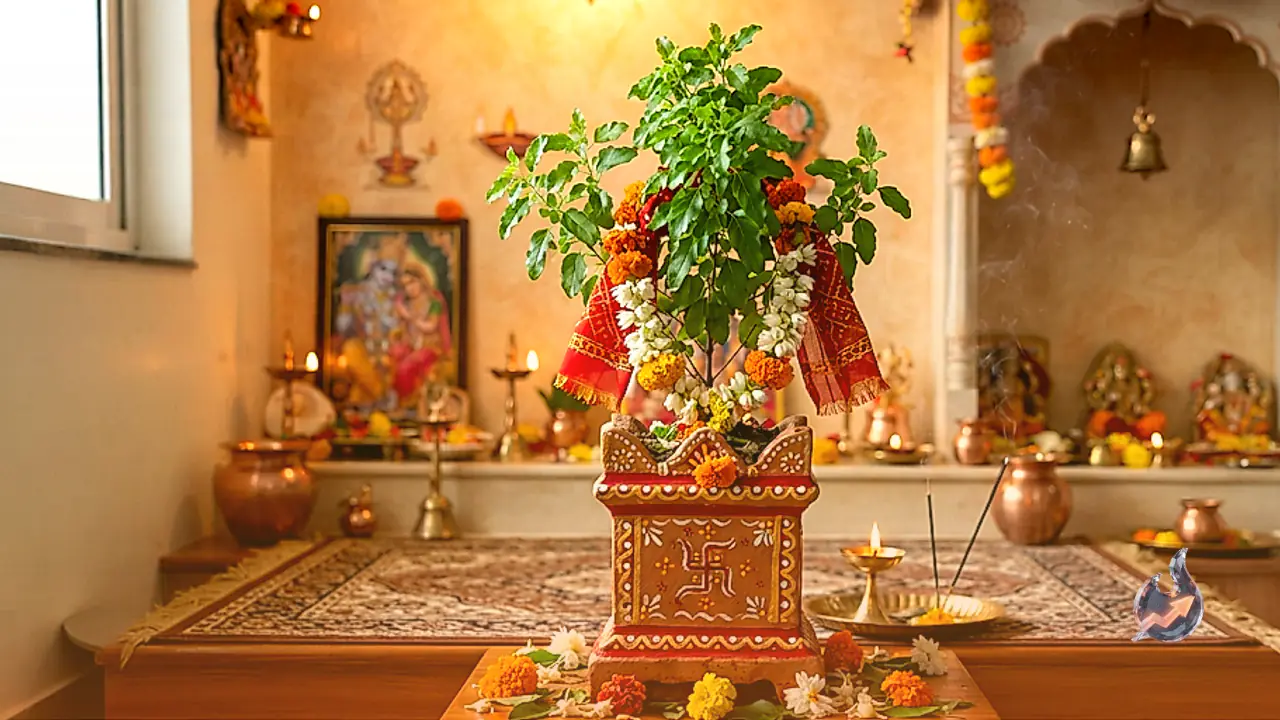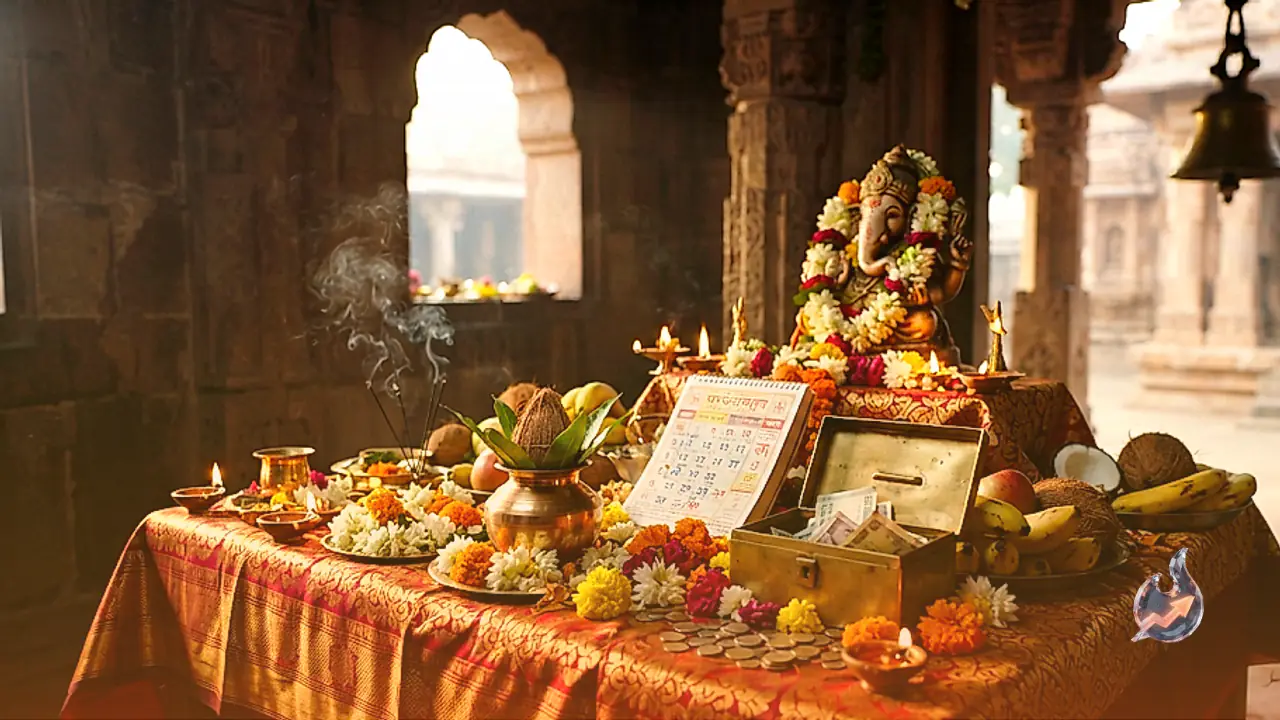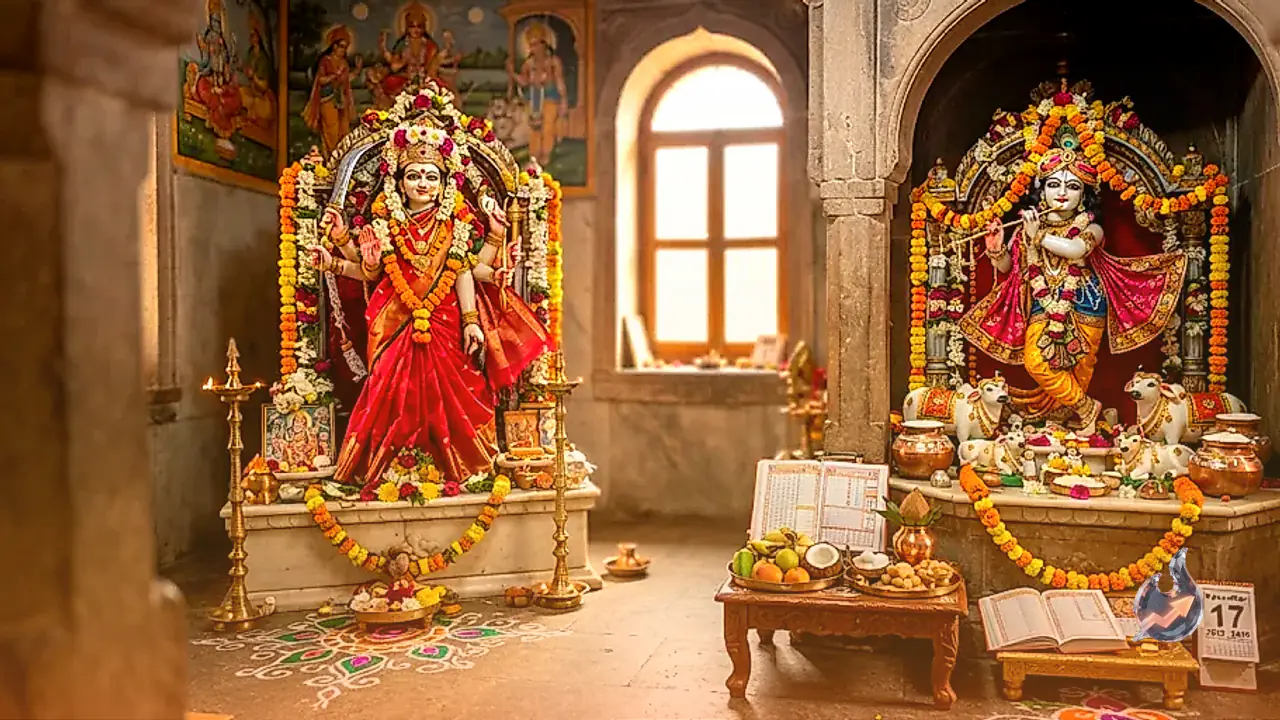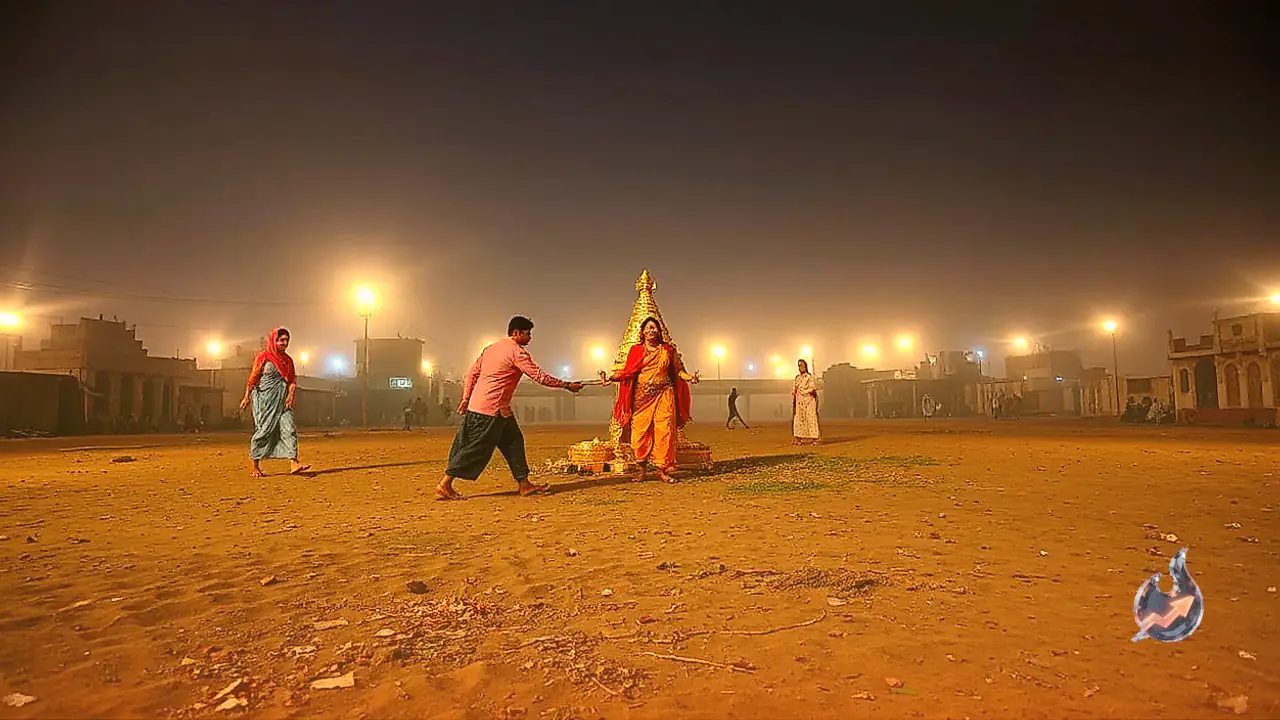

On the auspicious occasion of Devuthani Ekadashi, along with the worship of Lord Vishnu, the sacred tradition of performing the ceremonial marriage of Mother Tulsi and Lord Shaligram is observed with great devotion. A particularly unique ritual during this celebration involves creating the wedding canopy using fresh sugarcane stalks. According to traditional beliefs, sugarcane serves as a universal symbol representing prosperity, happiness, and sweetness in human life. This raises common questions regarding why sugarcane holds such prominence during Devuthani Ekadashi and how the tradition of building canopies from it originated for Tulsi Vivah.
The religious significance of worshiping sugarcane
Within Sanatan Dharma, Devuthani Ekadashi holds immense spiritual importance and is celebrated widely. On this significant day, Lord Vishnu awakens from his four-month-long cosmic slumber, which officially marks the resumption of all auspicious ceremonies and wedding seasons in society. Alongside offering prayers to Lord Vishnu, numerous traditional rituals are performed, and worshiping sugarcane is an integral part of these festivities. Religious scriptures and customs view sugarcane as an emblem of sweetness, joy, and abundance. Consequently, devotees offer it to Lord Vishnu on this day to pray for the overall welfare, prosperity, and happiness of their families, linking its natural sweetness to the aspiration for enduring love and harmony in life.
The sugarcane canopy in Tulsi Vivah rituals
During the celebrations of Devuthani Ekadashi, the ceremonial wedding of Mother Tulsi and Lord Shaligram is solemnized, featuring the distinctive tradition of building a canopy out of sugarcane. To execute this ritual, four robust sugarcane stalks are erected around the sacred Tulsi plant to form a protective and ceremonial pavilion. This structure is regarded as a symbolic representation of the traditional mandap constructed during customary Hindu weddings. Throughout the course of the Tulsi Vivah rituals, the Tulsi plant is adorned beautifully like a bride, while Lord Shaligram, treated as a manifestation of Lord Vishnu, is worshiped before proceeding with the traditional matrimonial rites.
Connections to agricultural heritage and nature
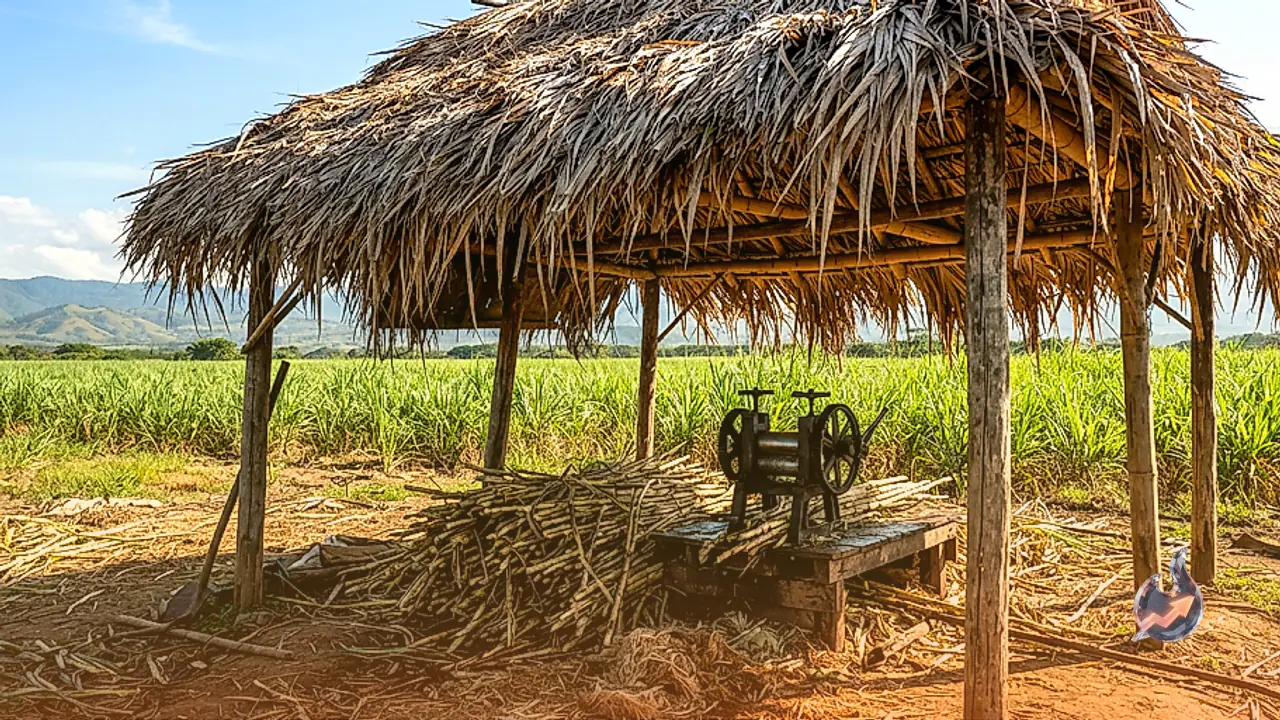
Beyond its strictly religious context, the use of sugarcane on Devuthani Ekadashi carries profound cultural ties to agrarian traditions. In India, agriculture and spiritual practices have shared an intrinsic bond for generations. Around the month of Kartik, fresh sugarcane crops begin to mature and harvest across various regions of the country. Offering this fresh seasonal yield to the deities serves as an expression of gratitude toward nature and the agricultural way of life, honoring the harvest that sustains communities.