























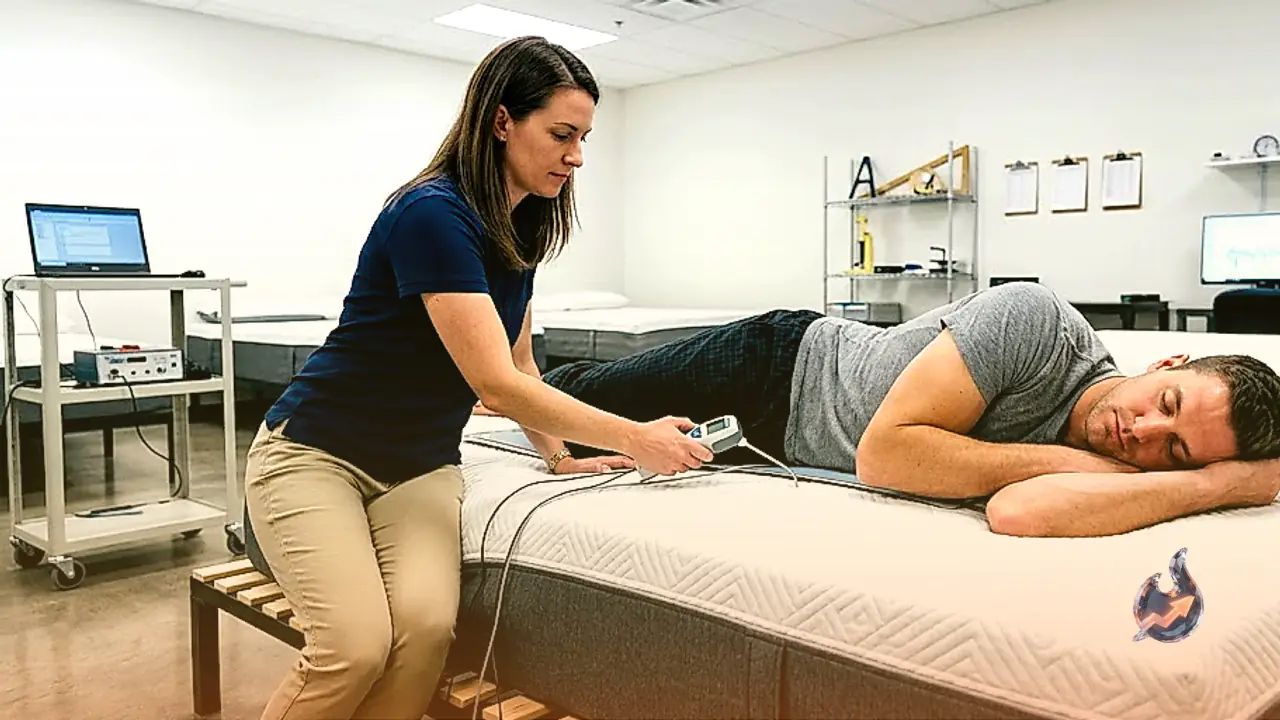

Selecting the right mattress plays a fundamental role in maintaining healthy sleep hygiene and daily physical recovery. The Bear Elite Ultra Hybrid mattress enters the market as a high-end bed-in-a-box option manufactured in Soft, Medium, and Firm choices. Built with a multi-layered hybrid architecture combining specialized foams and targeted steel coils, this mattress aims to balance body support with cradling pressure relief. However, actual performance varies considerably based on an individual sleeper's body weight and preferred sleeping posture.
Internal Architecture and Material Composition
The interior structure of the mattress utilizes a detailed layer stack designed for progressive support. At the very top sits a quilted cover blending polyfoam and fiber fill, offering an inviting pillow-top feel that immediately cradles the sleeper upon lying down. Positioned directly underneath this top cover are two separate memory foam layers sandwiching a specialized microcoil layer. This inclusion of microcoils enhances the top section's ability to contour precisely around bodily curves.
Beneath these primary comfort elements lies a polyfoam transition layer that cushions the body before reaching the underlying pocket coil support system. The zoned support system features thicker, more tightly wound coil springs positioned under the lumbar area to prevent excessive hip sagging. Furthermore, reinforced springs run along the perimeter to bolster edge support and prevent structural collapse when sitting on the sides of the bed. In terms of health and safety standards, the foams carry CertiPUR-US accreditation, and the finished product holds a GREENGUARD Gold certification while remaining completely free of fiberglass. Final assembly takes place in the USA utilizing a combination of domestic and imported parts.
Performance Breakdown by Sleep Position and Weight
For side sleepers, this mattress functions as a very strong option overall. Average-weight and heavier individuals benefit the most, as their body weight allows them to sink sufficiently deep into the comfort layers to cushion high-pressure zones around the shoulders and hips. Lighter side sleepers can also rest comfortably, but because they compress the top layers less, they experience slightly less deep cushioning at those key pressure points.
Back sleepers will generally find solid utility in this model. It proves most beneficial for lightweight back sleepers, offering an optimal balance of structural support and surface conformity that preserves proper spinal alignment without feeling overly rigid. Conversely, average-weight and heavier back sleepers compress the comfort layers more deeply, allowing their hips to sink slightly lower than the ideal line relative to their spine.
Stomach sleepers receive decent but variable support across weight categories. Lightweight stomach sleepers obtain sufficient firmness to prevent their midsection from sinking excessively, maintaining a flat spinal posture. However, average and heavier stomach sleepers compress the upper foam layers too far, causing the lumbar spine to bow downwards and potentially leading to lower back tension over extended periods.
Pressure Relief, Thermal Comfort, and Motion Dissipation
Pressure relief represents one of the strongest attributes of this hybrid model. Its contouring surface envelops the body, distributing weight evenly across the mattress surface. Heat management is equally impressive; the top surface avoids trapping initial body heat and continuously dissipates warmth throughout the night. Nevertheless, sleepers who experience extreme night sweats may still prefer a mattress specifically engineered for ultra-cool performance.
Motion isolation is another area where the design excels. Movements from a restless partner or a pet moving across the foot of the bed remain confined to the point of origin rather than transferring across the surface or creating a wobbly sensation. The mattress also maintains good responsiveness, allowing sleepers to shift positions freely without feeling stuck in the foam, though it lacks the sharp springy bounce of traditional innerspring units.
Durability Concerns and Longevity Considerations
The primary compromise of this mattress relates to its long-term durability. None of the foam layers meet the higher density benchmarks typically required for extended structural integrity and permanent indentation resistance. Consequently, users may observe gradual body impressions forming on the sleeping surface over prolonged periods of regular use.