























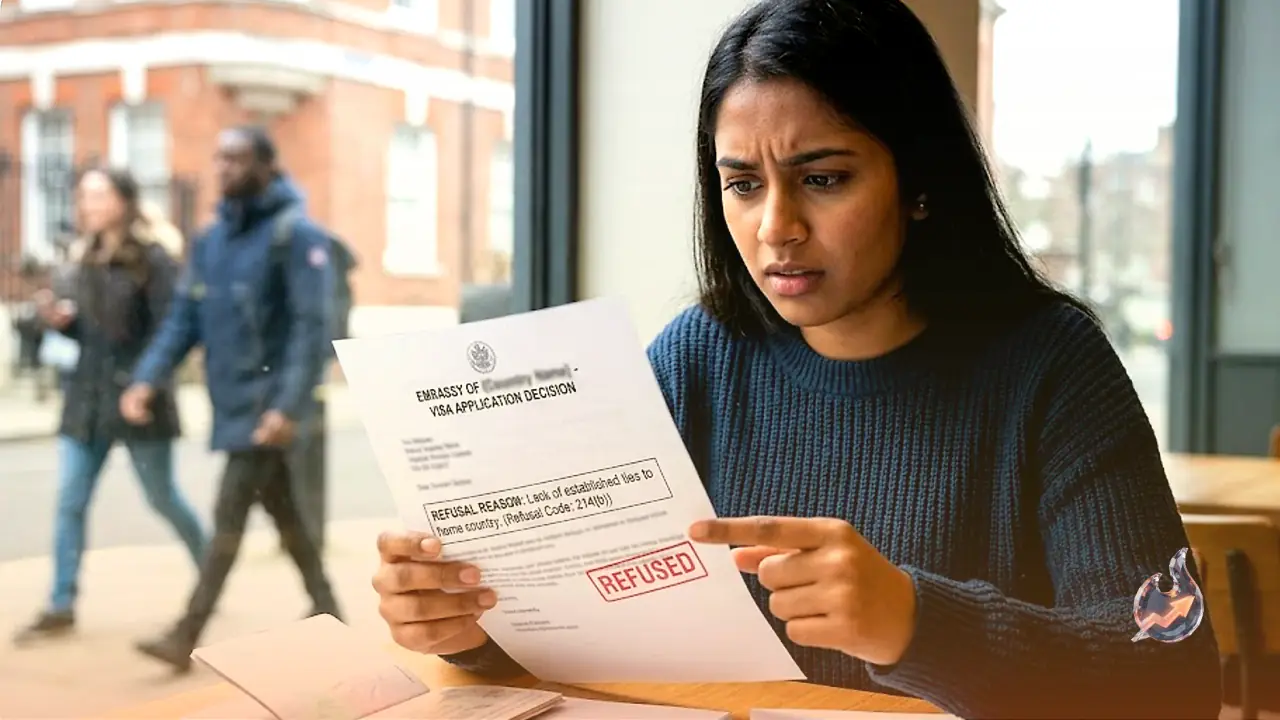

Finding a visa refusal letter in your inbox can be incredibly disheartening and confusing. However, a rejection is not necessarily a permanent closed door. Most embassies employ highly specific legal codes to explain their decisions, and decoding these terms is your primary path toward a successful future reapplication. For Indian international travelers, common stumbling blocks often involve incomplete paperwork or insufficient financial documentation. By systematically analyzing these refusal codes, applicants can address the exact concerns of the consular officers in a logical manner.
The US Visa Hurdle: Demystifying Section 214(b)
The most frequent ground for a United States visa denial falls under Section 214(b) of the Immigration and Nationality Act (INA). When an officer issues this refusal, it means they suspect you have "immigrant intent," meaning they believe you plan to settle in America permanently rather than return home. To overcome this, you must present compelling evidence of your deep roots in India, such as a stable, high-paying career, business ownership, or family-owned real estate. It is vital to remember that Section 214(b) is not a lifetime ban. Instead, it is an invitation to submit a fresh application with stronger proof of your intent to return.
Understanding United Kingdom Refusals and Rule 9
When applying to travel to the United Kingdom, Entry Clearance Officers (ECO) rely on specific framework rules to evaluate files. A frequent pain point for applicants is Rule 9, which outlines the general grounds for refusing entry clearing. This code is often triggered by inconsistencies in your financial declarations or issues related to your historical travel records. Should you receive a rejection under this category, it is crucial to review your letter to see if you qualify for an Administrative Review (AR) to contest the decision without starting entirely from scratch.
Decoding Schengen Article 32 for European Travel
For those aiming to visit Europe, Schengen Article 32 serves as the primary framework for visa denials. Under Article 32(1)(a)(ii), the embassy expresses doubts regarding the genuineness or sufficiency of your travel purpose. This typically occurs when your travel itinerary lacks necessary details or your hotel reservations cannot be verified. Another critical section is Article 32(1)(b), which highlights doubts about your intention to leave the Schengen zone before your visa expires. To resolve this, applicants must craft highly detailed cover letters that outline their daily travel plans and confirm all accommodation bookings.
Key Refusal Codes and Recovery Steps
To help you navigate these setbacks, here is a breakdown of the most common visa refusal codes, what they actually mean, and how you can take corrective action:
- US Section 214(b): This indicates suspected immigrant intent. To recover, you should prepare to present high-value domestic assets, employment contracts, or family ties during your next interview.
- Schengen Article 32: This points to an unreliable stay justification or doubts about your return. You can resolve this by providing confirmed hotel bookings, a clear day-by-day itinerary, and a persuasive cover letter.
- UK Rule 9: This represents general grounds for refusal. The best way to address this is to correct any financial discrepancies in your bank statements and clarify past travel discrepancies.
A Strategic Approach to Reapplying
Reversing a visa rejection requires a calm and analytical approach to the official refusal letter. Avoid the temptation to submit a new application immediately without modifying your supporting documents or personal circumstances. Take the time to address the exact code highlighted by the embassy, providing undeniable proof of your income and local ties. If the legal jargon in your letter feels too complex, seeking advice from an immigration expert can be a wise investment. With patience, precision, and accurate documentation, you can turn a rejection into an approved travel stamp.