
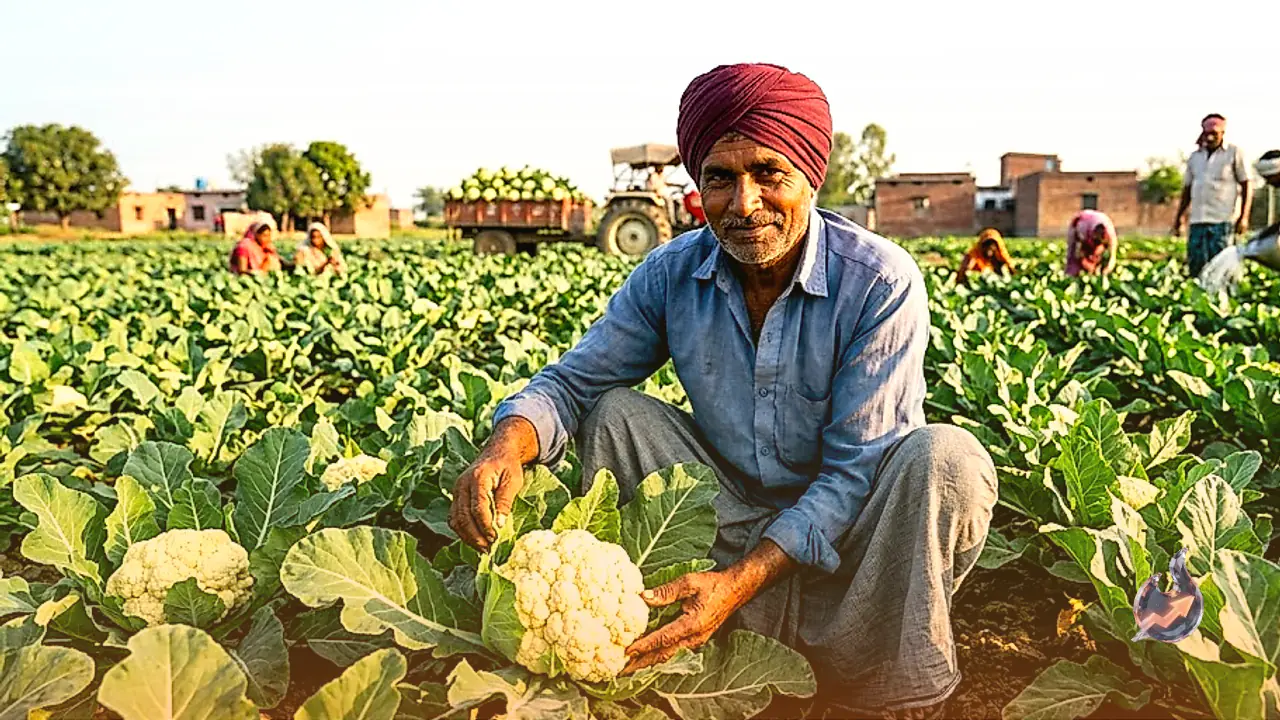




















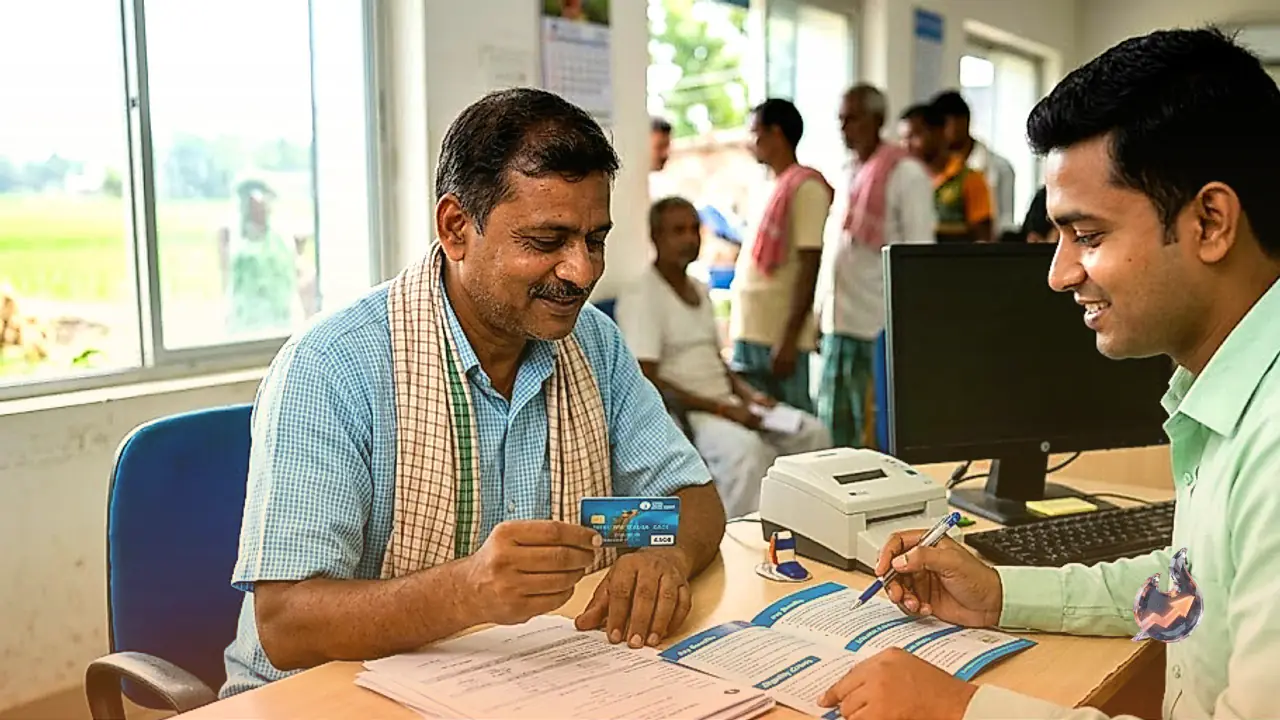

Agricultural operations demand substantial capital before every sowing season to purchase high-quality seeds, fertilizers, and crop protection chemicals. To prevent smallholders and tenant farmers from falling into high-interest debt traps set by local informal lenders, institutional credit support is offered through the Kisan Credit Card scheme. This financial mechanism ensures that agricultural workers obtain reliable funds precisely when needed and repay them on flexible terms aligned with harvest schedules.
Expanded Scope Beyond Traditional Crop Cultivation
While the initiative was initially created to finance seasonal crop production costs, its scope has expanded significantly over the years. To build a more inclusive rural credit framework, the government integrated allied agricultural sectors into the program. Farmers engaged in dairy farming, poultry rearing, fisheries, animal husbandry, and beekeeping can now secure affordable short-term credit. The financing covers cultivation expenses, post-harvest storage, marketing logistics, and essential household needs, giving rural households a comprehensive safety net.
Eligibility Criteria For Individuals And Groups
The eligibility terms are deliberately structured to ensure broad coverage across diverse farming communities. Individual owner-cultivators and joint borrowers directly managing farmland are fully eligible. Additionally, tenant farmers, oral lessees, and sharecroppers who do not own land can also register for institutional credit lines.
Collective agricultural models are equally encouraged under the framework. Self Help Groups (SHGs) and Joint Liability Groups (JLGs), including informal clusters of sharecroppers and tenant cultivators, are permitted to obtain KCC credit facilities jointly. Commercial banks, Regional Rural Banks (RRBs), and cooperative banking networks handle the credit disbursal and management processes.
Special Flexi KCC Credit Limits For Marginal Farmers
Recognizing that small landowners often require small, repeated operational cash injections, a specialized Flexi KCC structure was established. Under this provision, marginal farmers can access flexible credit limits ranging from Rs 10,000 to Rs 50,000. These credit allocations are determined based on landholding size, cropping patterns, and specific seasonal requirements, remaining valid over a 5-year period.
Offline And Online Application Channels
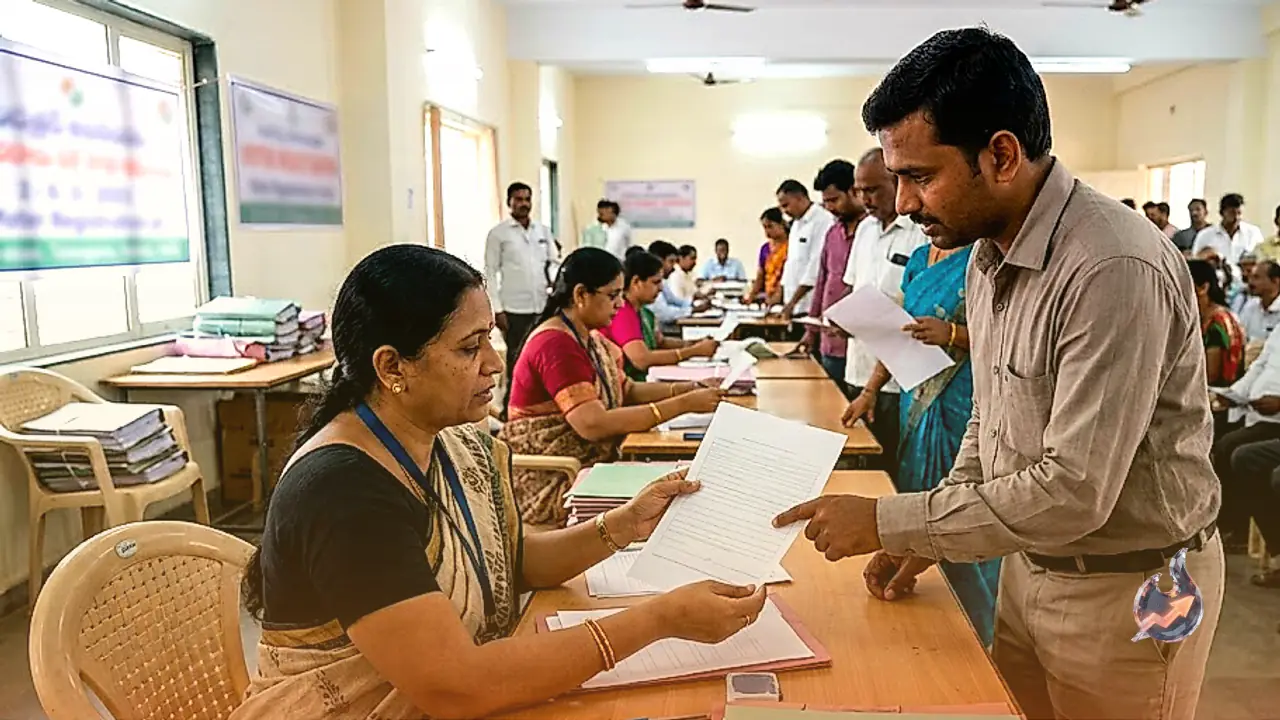
Securing a Kisan Credit Card is straightforward through both traditional and digital pathways. Applicants can visit their nearest participating bank branch to collect and fill out a hard-copy application form with assistance from branch officials. Alternatively, official bank websites allow users to download the relevant application documents directly.
For digital submissions, government platforms such as JanSamarth and myScheme offer streamlined online application portals. Applicants can enter their personal and land details directly into these centralized system interfaces to initiate processing.
Digital Integration And Paperwork Reduction
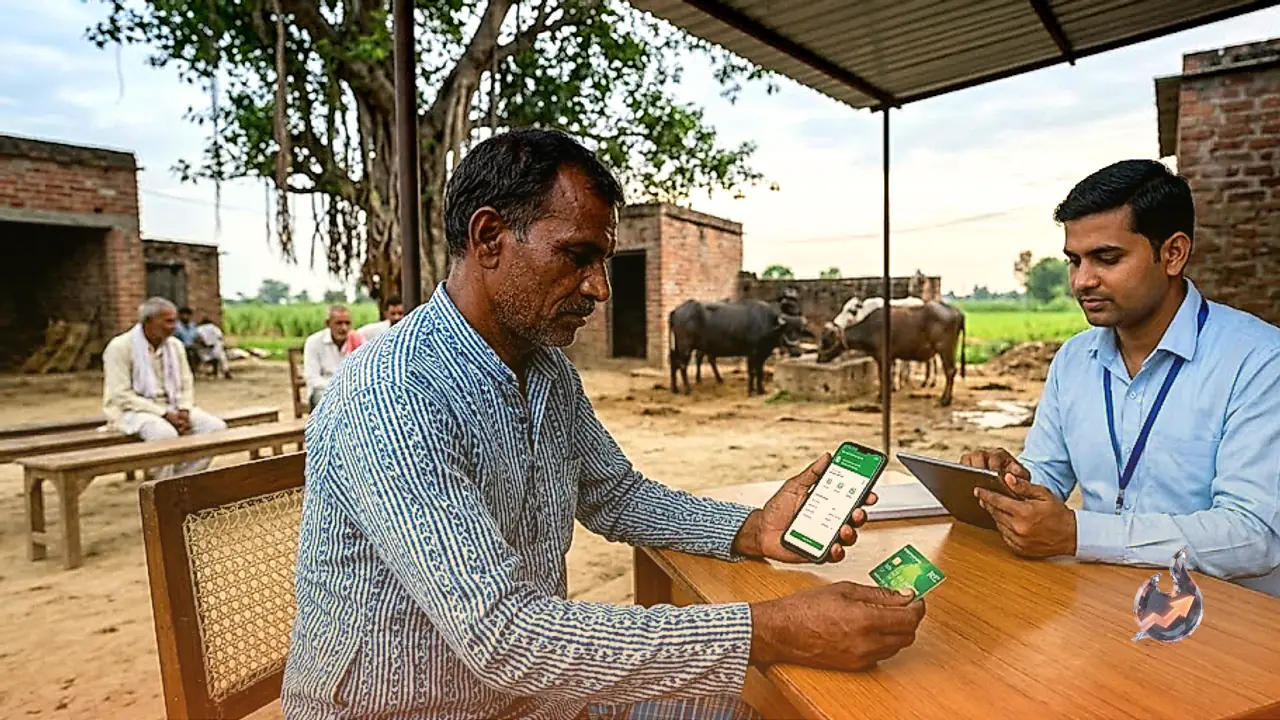
Under the broader Digital India strategy, institutional processes have been refined to minimize bureaucratic delays. The scheme features a simplified single-page application form alongside direct integration with PM Kisan database records. Furthermore, the deployment of Common Service Centres and the dedicated Kisan Rin Portal helps automate verification steps, enabling faster loan approvals without requiring heavy documentation.