




















A fresh batch of emojis is already locked in for phones everywhere, and unlike what most people assume, none of it came from Apple, Google or any single tech company boardroom. Unicode Emoji Subcommittee Chair Jennifer Daniel has confirmed nine new emojis are scheduled to arrive in 2027, and the story of how they got approved says a lot about a process almost nobody outside it understands.
What's landing in 2027
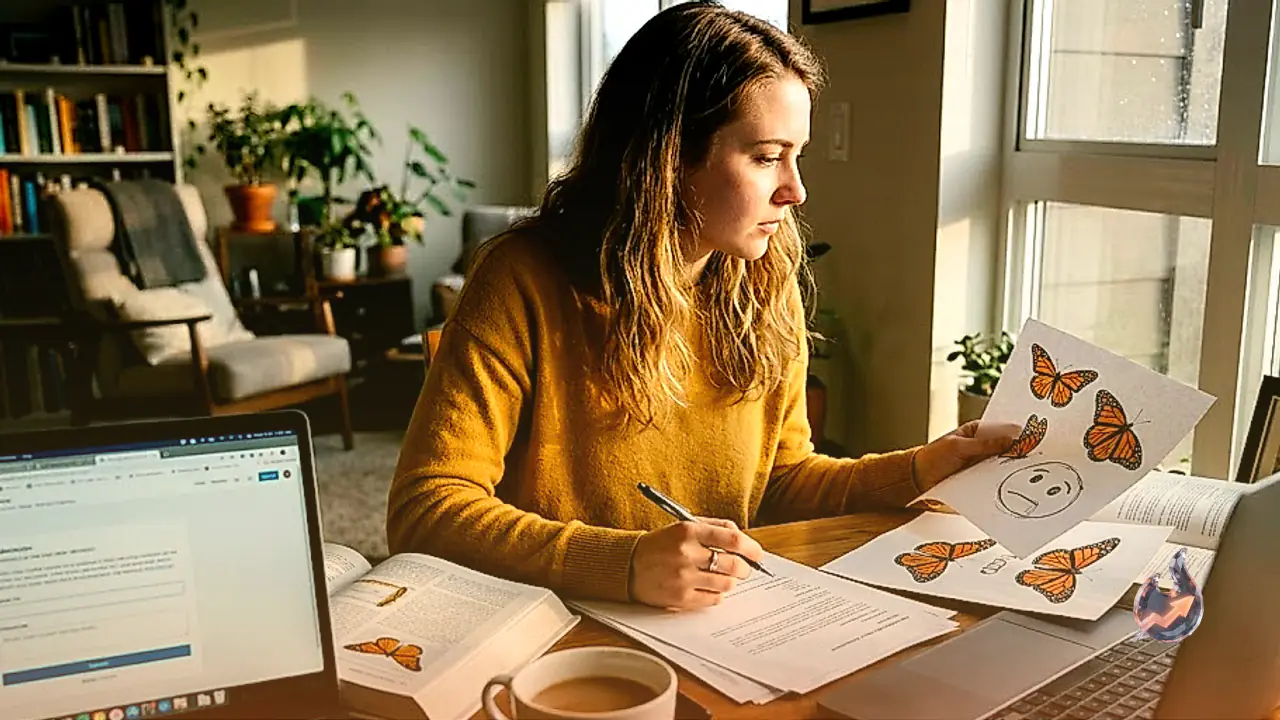
The nine confirmed additions for 2027 are Cracking Face, Leftwards Thumb Sign, Rightwards Thumb Sign, Monarch Butterfly, Pickle, Lighthouse, Meteor, Eraser, and Net With Handle. It isn't the largest emoji refresh on record, but it's a varied one, spanning expressions, gestures, nature and everyday objects. Anyone who remembers the arrival of Melting Face a few years back knows even a small batch can change how people text overnight, and Cracking Face looks like the kind of expressive addition that could see similarly heavy use.
Who actually picks the next emoji
Most emoji users assume either a tech company or some invisible emoji board decides what gets added to the keyboard. The truth is more interesting: individuals, not organizations, are the ones who decide what emoji comes next, and any regular person can be one of them. The body that ultimately builds and maintains emojis is the Unicode Consortium, an organization whose roots trace back to 1991. But the Consortium itself doesn't invent new emoji ideas. Every new addition, from Cracking Face to Net With Handle, begins as a suggestion from someone outside the Consortium who submits a formal proposal.
Why you can't just email your idea in
Firing off a casual email with a list of emoji ideas won't get anywhere. The Consortium expects a structured, formal submission if it's going to seriously consider a request. The first requirement is checking that the idea hasn't already been approved or rejected. The Consortium keeps a public Emoji Proposals Status page listing everything formally submitted since 2015, more than a decade's worth of entries. Scrolling through it turns up some notable rejections: Acne was turned down in 2020, Cannabis was declined in 2019, and mRNA was rejected in 2022. Anything rejected within the past four years cannot be resubmitted for review, but anything declined more than four years ago is fair game to try again.
What a real proposal has to include
The Consortium's guidelines page lays out a strict format for any submission. It needs a title along the lines of Proposal for Emoji followed by the name, the submitter's name, the date, and an identification section listing keywords and the proposed category. Proposals must also include example images that follow a specific set of rules, along with proof of licensing or permission to use those images. On top of that, submitters have to argue, with evidence, that their emoji satisfies several factors for inclusion: it should express multiple concepts, work well alongside other emojis, introduce something genuinely new, remain legible and visually distinct from existing emojis, be likely to see frequent use, complete an incomplete category, or be needed for compatibility across platforms. Just as important, the proposal has to argue the idea is not already represented, not overly specific, not open-ended, not merely trendy, and not something an existing emoji already covers. Anyone serious about submitting is expected to read the Consortium's full guidelines carefully rather than rely on a summary.
The clock is already ticking for 2026
Submissions aren't accepted year round. For the 2026 cycle, the Consortium opened its window on April 2 and plans to close it on July 31. That leaves only a narrow stretch of time to get a proposal filed, and given how detailed the formal requirements are, anyone who wants to try should start preparing well before the deadline rather than waiting until the final days.