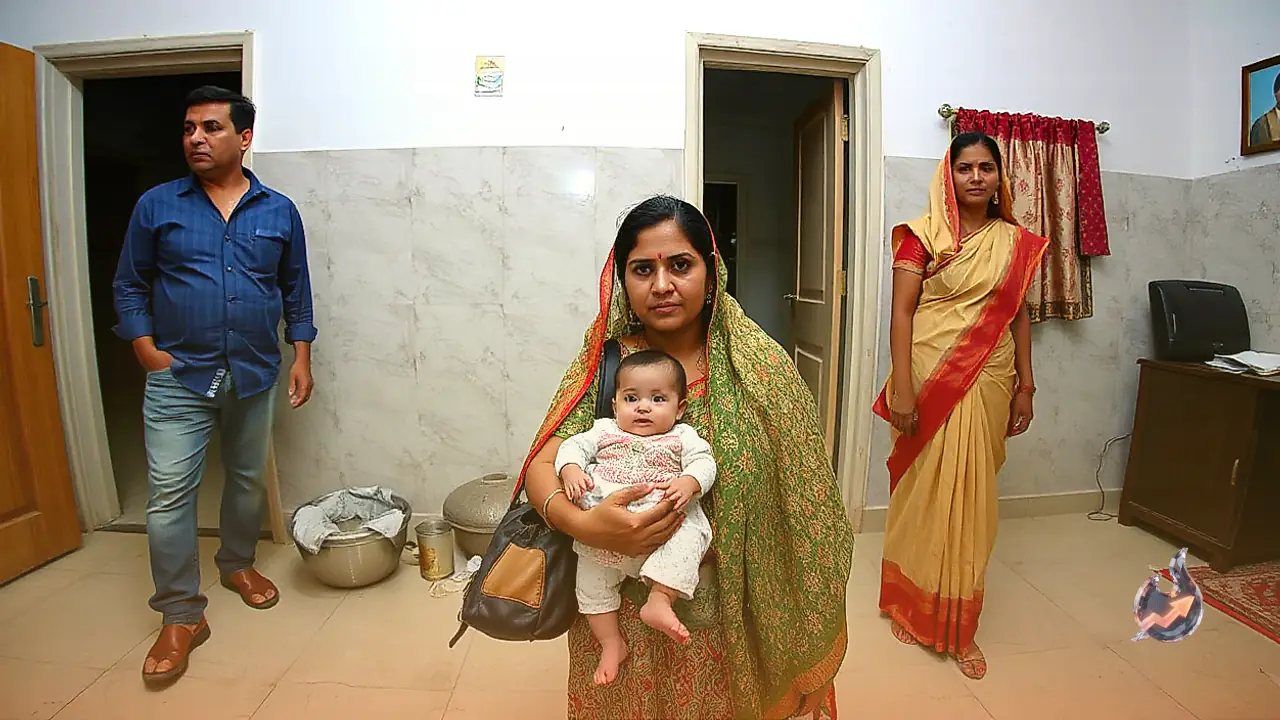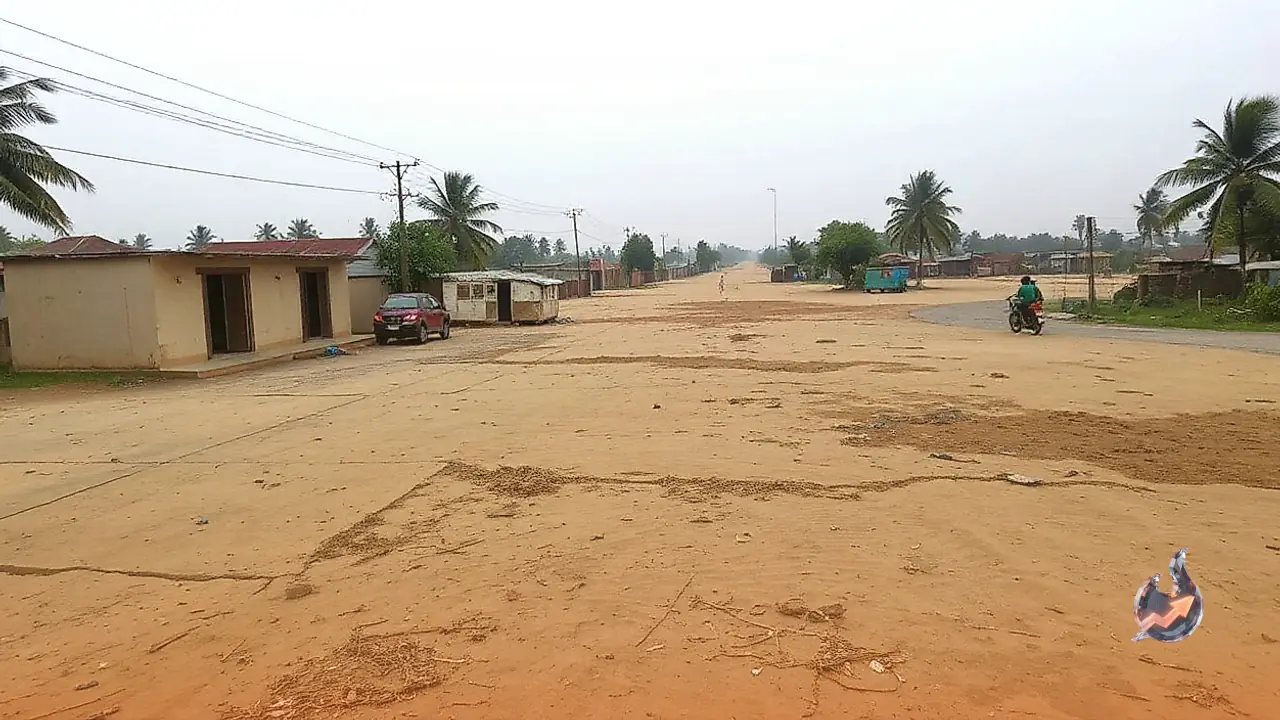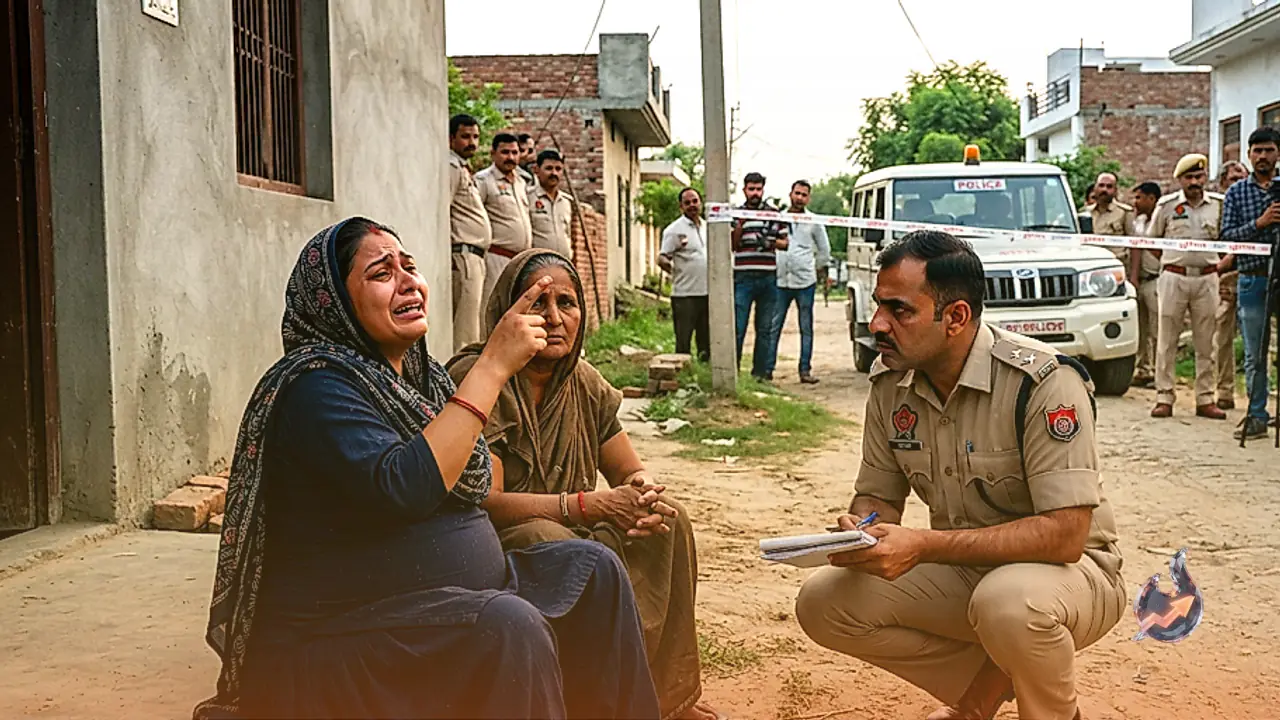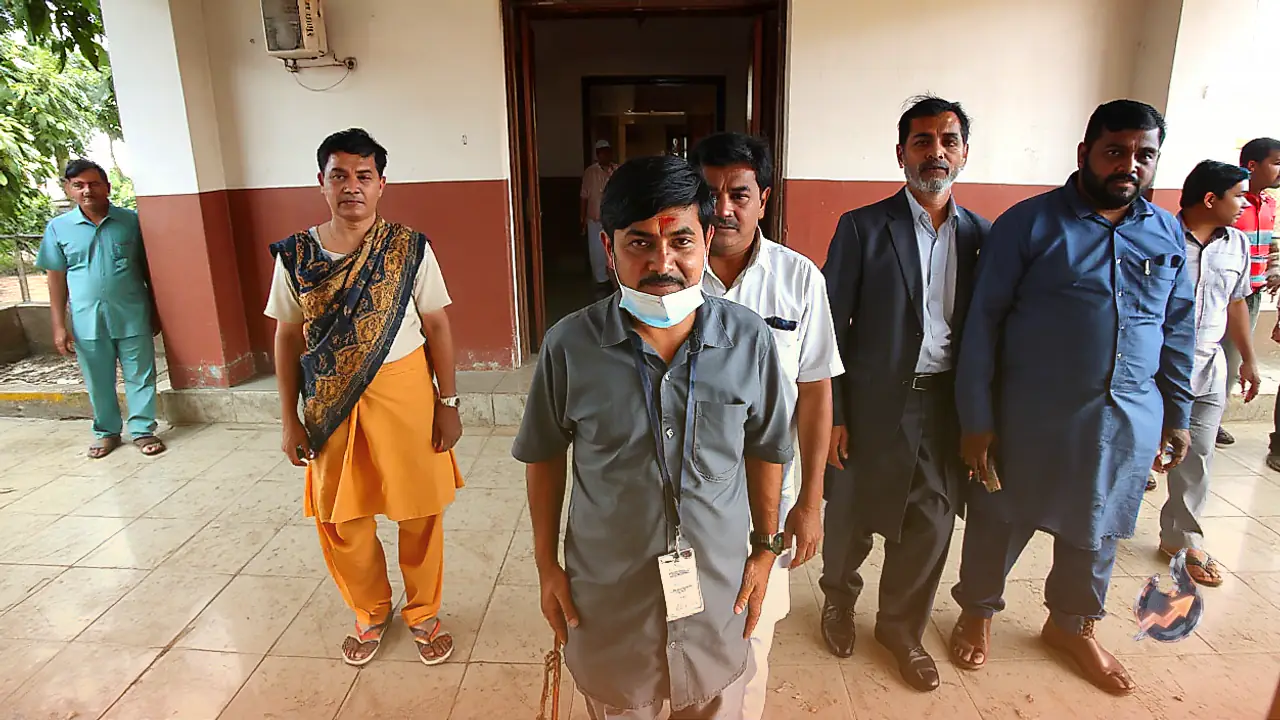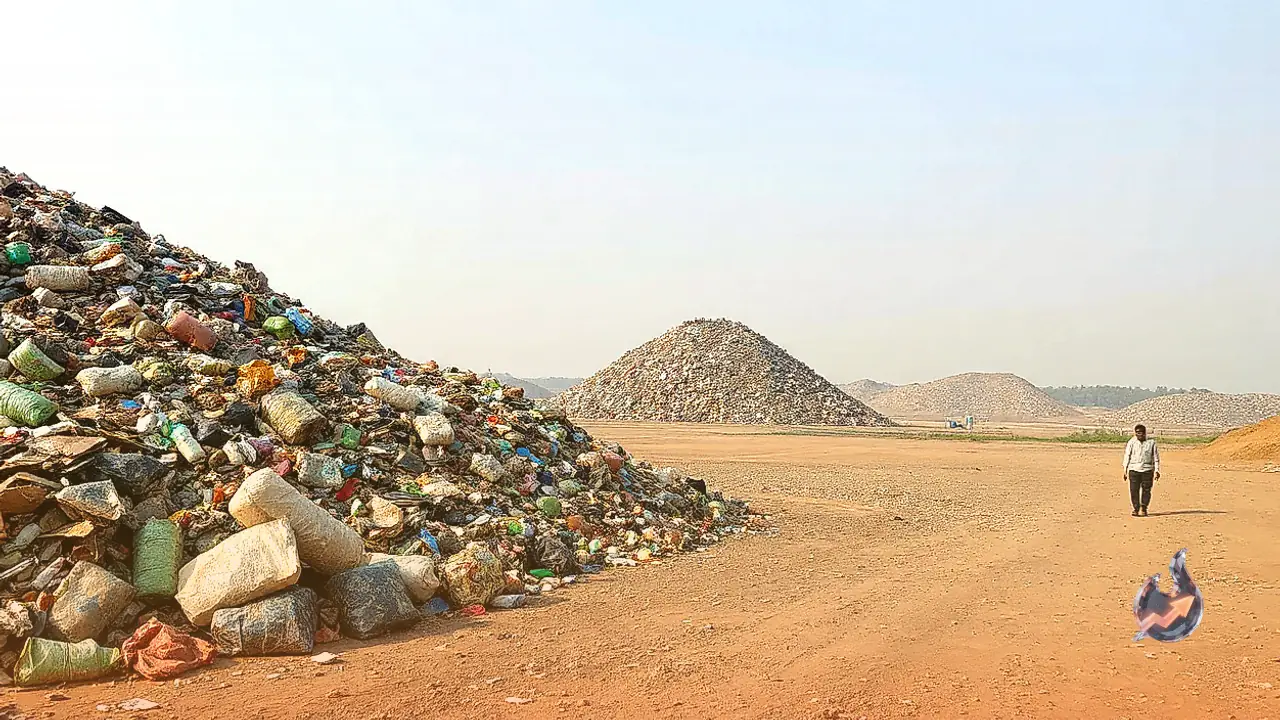

Pratapgarh, located in Sector 56 of Faridabad district in Haryana, is currently facing a severe civic and environmental crisis. Reminiscent of the notorious garbage hill in Delhi's Tughlaqabad, a massive waste mountain has taken shape in Pratapgarh. Dumper trucks arrive daily to unload municipal solid waste collected from across the city. Over time, this dumping yard has expanded so dramatically that daily life for thousands of nearby residents has been disrupted. Local citizens report dealing with this escalating issue for the past three years, alleging that persistent administrative neglect has made living conditions unbearable.
75,000 Residents and 15,000 Homes Affected
The scale of the crisis in Pratapgarh and surrounding neighborhoods directly impacts approximately 15,000 residential units, affecting nearly 75,000 inhabitants who struggle with deteriorating air quality and persistent stench. Local resident Vinod Sharma noted that waste dumping at the site has continued unabated since 15 February 2023. Over the past four months alone, the mound has grown exponentially into a elevated garbage hill that expands daily. Municipal Corporation officials have acknowledged that an estimated 3 to 4 lakh tonnes of waste has accumulated at this single facility.
Administrative Apathy and Living Amid Stench
The foul odor emitted from the site forces residents to keep windows and doors tightly shut during summer months. Winter brings little relief, as people remain unable to sit outdoors or on balconies due to pervasive air pollution. Recounting recent events, Vinod Sharma shared that when he returned home around 5 PM one evening, the stench was so intense that several families were unable to eat dinner. To keep the odor from seeping into living rooms, families resorted to stuffing towels and cloth garments into gaps beneath their doors.
When residents contacted local police and the pollution control department for immediate assistance, they were reportedly advised to wear face masks while sleeping. Repeated complaints submitted to Municipal Corporation officials have yielded no permanent relief. Previously, the then Municipal Commissioner requested a six-month timeframe to resolve the situation, but the problem persists unresolved long after that deadline expired.
Impact on Children's Health and Residents' Ultimatum
The environmental hazard is taking a toll on vulnerable groups, particularly young children and the elderly. Rohit, a third-grade student living near the dump, mentioned that the overwhelming smell prevents him from eating meals properly and stops him from playing outdoors. Geeta, who has lived in the area for five years, observed that local children frequently fall ill due to the unhygienic conditions, with the problem intensifying during warmer weather.
Another local resident, Reeta, shared that she spent 10 lakh rupees two years ago to purchase a house in the area, only to find daily life compromised by the relentless smell. Similarly, Babita and Pramila Devi highlighted that political leaders routinely offer assurances during election cycles but fail to deliver lasting solutions. Over recent days, the stench has worsened to the point where family meals have become difficult to manage.
Frustrated by unfulfilled promises, local residents have resolved to take collective action. Citizens have announced plans to halt all incoming garbage dumping and lock down the waste processing site after the 29th. The neighborhood's primary demand is an immediate ban on new waste dumping alongside a structured plan to clear the accumulated 3 to 4 lakh tonnes of garbage.