

















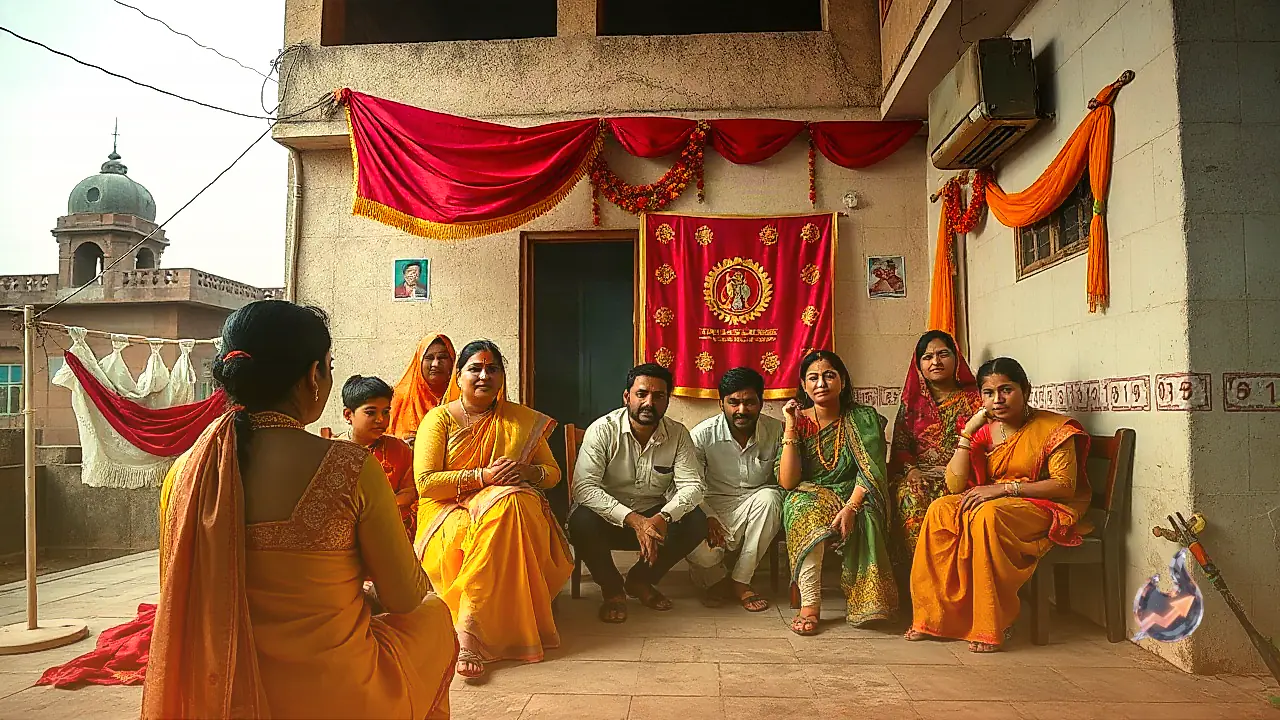

A deeply emotional and heartwarming atmosphere unfolded at the Ambala Observation Home during the celebration of Raksha Bandhan. Representatives from local social welfare organizations visited the facility to share the joy of the festival with young inmates who are currently living away from their families. The initiative aimed to ensure that these youths did not feel isolated from society during a major festive occasion. As volunteers tied sacred Rakhi threads around the wrists of the children, the surroundings resonated with warmth, affection, and mutual respect.
A Message of Hope and Belonging for Young Inmates
Members of the Kaladhara Group and the Omkar Seva Welfare Society actively spearheaded the festive event at the institution. As the children gathered in the hall, volunteers began the ceremony by applying traditional tilak on their foreheads. Female members of the visiting groups then gently tied Rakhis on the wrists of the youths. Following the ritual, sweets were distributed among all the children, accompanied by earnest prayers and wishes for their bright and successful future.
The festive spirit was not restricted solely to the young residents. Demonstrating inclusivity, members of the Kaladhara Group also tied Rakhis to the staff members of the observation home. The staff expressed appreciation for this thoughtful gesture, noting that the presence of the volunteers transformed the atmosphere of the facility into that of a close-knit family celebration.
Emotional Moments and Fond Memories of Family
While the act of tying Rakhis brought gentle smiles to the faces of many children, it also evoked bittersweet memories of their homes and loved ones. Raksha Bandhan is traditionally an occasion when brothers travel to meet their sisters and celebrate their bond. However, for these young inmates, spending the special day alongside their family members was not possible, leaving several of them feeling quiet and contemplative.
Observing the vacant wrists of these children, the social workers stepped forward to offer the comfort of human connection. The youths spent long moments looking at the vibrant threads tied on their wrists. For them, the Rakhi was far more than a ceremonial thread; it served as a reassuring reminder that society had not abandoned them and that people still cared about their well-being and happiness.
Encouraging Positive Life Choices and Social Responsibility
Elaborating on the purpose behind the initiative, Mansi, a member of the Kaladhara Group, emphasized that the event was designed to go beyond mere ceremonial observance. She explained that the main goal was to instill positive energy in the children and motivate them toward constructive life paths. Recognizing that many inmates rarely get the chance to meet their own sisters, the group sought to help them experience the affectionate bond of brotherly and sisterly love.
Mansi shared that a special pledge was requested from the youths during the ceremony. The children were encouraged to promise that once they leave the observation home, they will refrain from engaging in any illegal or harmful activities. Instead, they were urged to make positive choices, reform their lives, and work for the betterment of society and the country. She added that the Rakhi symbolized trust, security, and a sense of shared belonging.
Inclusivity in Celebrations and Community Duty
Providing further details about the attendance, Karan, another member of the Kaladhara Group, stated that Rakhis were tied on the wrists of approximately 60 children during the event. He remarked that Raksha Bandhan is a celebration of familial joy, and the volunteers wanted to extend that same happiness to children who are living away from home. He noted that spending time with the youths and bringing smiles to their faces gave the volunteers immense personal satisfaction.
Social worker Vishal Verma stressed the broader social responsibility involved in such events, stating that festivals belong to everyone in society. He asserted that it is the moral duty of citizens to include children from all walks of life in festive celebrations. Through this initiative, the organizers aimed to convey to the youths that society stands with them and supports their journey toward personal growth and positive transformation.
Ranjita Mehta, Chairperson of the Child Welfare Committee (CWC), lauded the initiative as a commendable effort. She noted that celebrating Raksha Bandhan inside the observation home creates an encouraging environment for the youths, helping them realize that they are an integral part of the broader community rather than being sidelined or forgotten.
Ranjita Mehta highlighted that the female volunteers tied the Rakhis with genuine warmth, fostering a sense of optimism among the children. She further mentioned that the CWC and observation home authorities regularly organize various cultural and social programs during major festivals. These activities are designed to ensure that the children remain connected to societal values and retain a sense of family togetherness as they work toward a better future.