




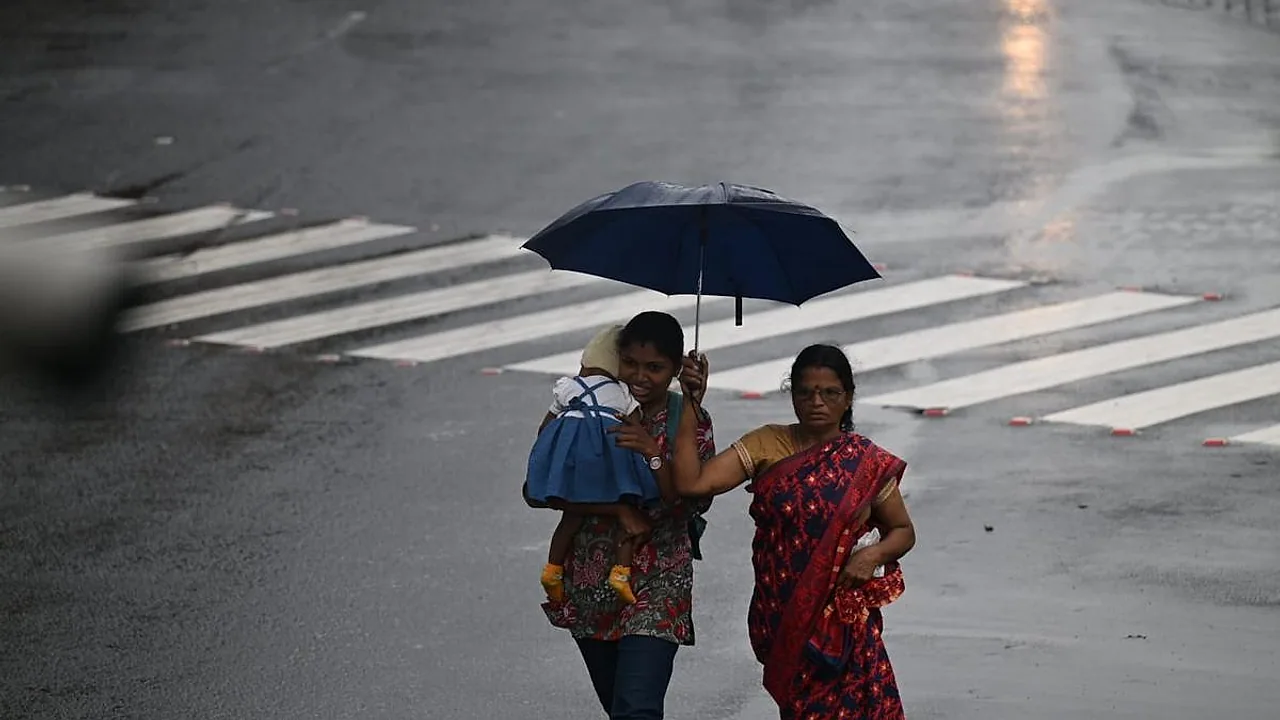



















After months of intense heat, the monsoon is nearly here and with it comes a sharp rise in the risk of dangerous snakes entering residential areas. When rainwater floods the surroundings, snakes are driven out of their burrows and begin moving toward human settlements in search of dry shelter. Among the species that make their way inside, cobras and Common Krait pose the greatest threat, and of the two, Common Krait carries a far grimmer record of human fatalities.
What Swapnil Khatal Says After 22 Years in the Field
Swapnil Khatal, a wildlife expert with close to 22 years of hands-on experience, identifies Common Krait as one of the four most venomous snakes in India and one of the leading causes of snakebite deaths across the country. The snake carries a potent neurotoxin that, once it enters the bloodstream, begins destroying the victim's nervous system at a rapid pace. Swapnil Khatal is direct about it: this is a snake that genuinely deserves to be called another name for death.
A Creature of Darkness: How Common Krait Hunts
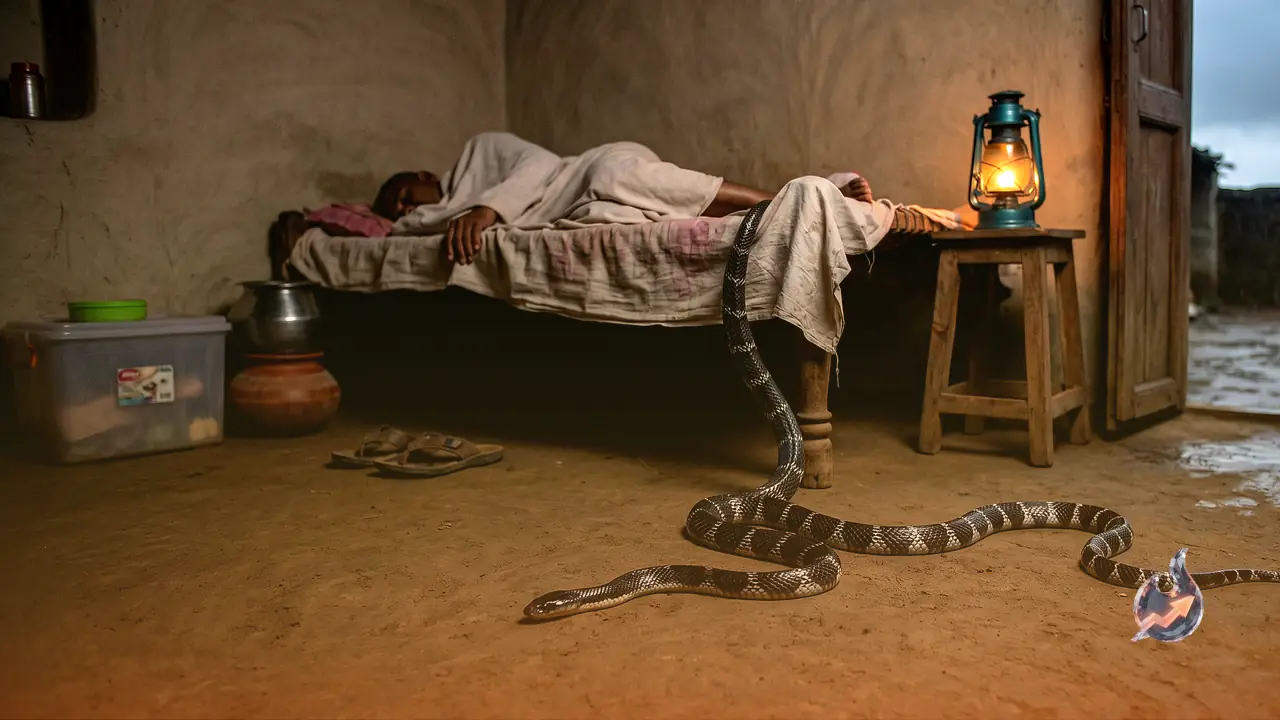
Common Krait is nocturnal. It spends the daylight hours hidden and emerges only after dark to begin its hunt. Being cold-blooded, it is constantly drawn toward warm surfaces, and the body heat of a sleeping human is exactly what it seeks. The snake's diet consists mainly of lizards, frogs and rats, which is what draws it into homes in the first place.
Once inside a quiet house where everyone is asleep and nothing is moving, Common Krait feels no threat and roams freely. It tracks prey with considerable patience, sometimes following it for extended stretches. The snake has a habit of climbing to elevated spots, and a bed is no obstacle. When it reaches a sleeping person and that person's body shifts even slightly, the snake interprets it as a threat and bites in immediate self-defence.
The Bite That Never Wakes You Up
The most alarming fact about Common Krait is that the bite leaves almost no sensation at all. Its teeth are tiny and needle-thin, producing a puncture so shallow that a sleeping person simply does not stir. The neurotoxin travels through the bloodstream silently, steadily attacking the nervous system, and death can follow within a short time. By the time a family member tries to wake the victim, it is often already too late. This is precisely how Common Krait earned its reputation as the silent killer.
Simple Precautions That Could Make the Difference
Swapnil Khatal recommends that during the monsoon months, sleeping under a mosquito net is the simplest and most effective defence against Common Krait. He also advises that before lying down each night, people should thoroughly shake out and check the bed sheet, pillow covers and the mosquito net to make sure nothing is hiding inside. These steps are especially important for people living in rural and flood-prone areas, where the likelihood of a snake entering a home is considerably higher.