























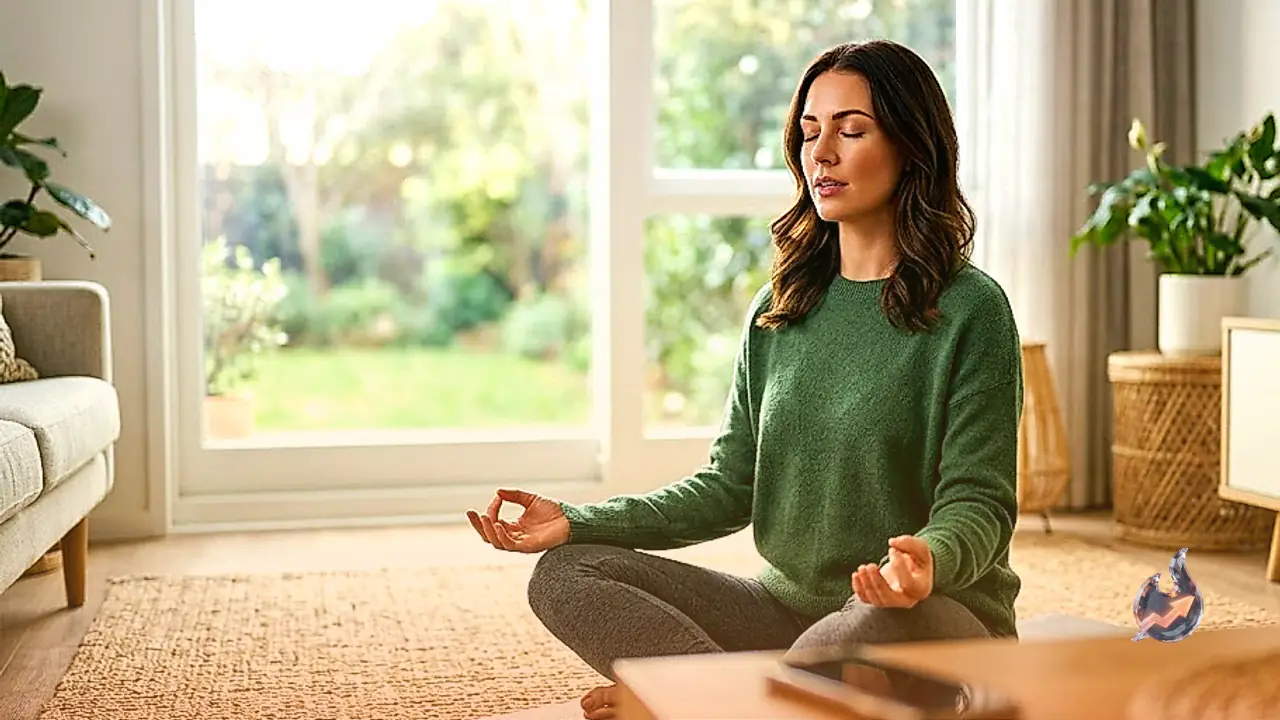

For most people, the very first action upon waking up is reaching over to check their smartphone screen. Even before fully shaking off sleep, an influx of notifications, unread messages, and immediate task reminders flood the mind. Choosing instead to spend the opening moments of the day in quiet reflection can establish an entirely different mental rhythm. Chanting the syllable Om represents a remarkably accessible exercise that demands no specialized equipment, elaborate rituals, or dedicated physical spaces. Sitting peacefully while focusing on deep breathing and steady vocal resonance offers many individuals an experience akin to meditation. When the mind begins racing with an exhaustive checklist of daily personal and professional duties, taking a five to ten minute pause provides the stillness needed to recalibrate.
It remains essential to understand that chanting Om should never be regarded as a medical cure for underlying health conditions. Rather, it serves best when integrated into daily lifestyle routines as an uncomplicated relaxation tool aimed at easing daily tension.
Why Starting the Morning with Chanting Sets a Better Pace
The initial moments of the morning typically dictate the psychological pace of the entire day. Waking directly into a flurry of messages, work correspondence, and pressing worries deprives the brain of an opportunity to settle into a calm state. Sitting quietly in one spot to chant Om serves as a straightforward way to center scattered thoughts onto a singular focal point. During this practice, an individual pays deliberate attention to the sound of their voice, the movement of their breath, and their physical posture. This alignment helps create temporary distance from intrusive external thoughts. To establish the routine, practicing for just five minutes in the beginning is entirely sufficient, after which the duration can gradually extend to ten minutes as the habit becomes second nature.
Relieving Everyday Stress and Mental Restlessness
Demanding schedules naturally subject the mind to continuous cognitive strain throughout the day. People constantly navigate workplace deadlines, domestic duties, and lingering anxieties about upcoming challenges. Amid such pressure, simply sitting in quiet stillness acts as a necessary mental respite. Maintaining continuous attention on rhythmic breathing and steady sound production allows the mind to settle into a single cohesive activity. While this practice cannot replace professional interventions for clinical stress, it serves as a valuable component within a broader relaxation routine.
During chanting, one typically inhales deeply and releases the breath gradually while voicing the sound. This dynamic encourages sustained awareness of individual respiration patterns. Developing a slow and steady breathing pattern can foster a soothing physiological state for many people. Nevertheless, individuals dealing with respiratory difficulties or other significant health concerns should not rely on this technique in place of proper medical care. Consulting a healthcare professional remains the proper course of action whenever specific ailments arise.
Building Daily Habits for Stronger Concentration
The relentless stream of modern screen notifications has made prolonged focus increasingly difficult to sustain. Setting the phone aside for a few minutes to engage in Om chanting trains the mind to anchor itself entirely on sound and breath. Engaging in this practice before diving into morning study sessions or workplace projects promotes a composed beginning to the workday. While chanting will not magically dissolve deep-seated attention issues, it does help cultivate the mental discipline required to hold attention on one task at a time.
Integrating Chanting into Nighttime Wind-Down Routines
The benefits of rhythmic chanting are not restricted solely to the morning hours. Individuals who find it difficult to slow down an overactive mind at night can effectively introduce chanting into their evening winding-down routine. Taking several quiet minutes to engage in measured breathing away from harsh screens and daytime commotion creates an opportunity to decompress before sleep. However, if chronic sleep disturbances persist, identifying the underlying medical causes is crucial. In such circumstances, relying entirely on chanting as a remedial solution would be inappropriate.
A Straightforward Method for a Ten-Minute Practice
To begin, select a calm and comfortable location to sit with ease. Gently close your eyes and take a few regular, unhurried breaths to settle into the posture. Next, draw a steady breath in and slowly release it while vocalizing the sound of Om. Keep your primary attention on the vibration of the sound and the rhythm of your respiration. Whenever the mind drifts toward outside distractions, gently redirect focus back to the chanting without frustration. Starting with a five-minute session allows the routine to feel natural, and you can steadily advance to ten minutes over time. Keeping mobile devices in another room and avoiding rushed movements will ensure a much more fulfilling practice.