






















Blood pressure cases are climbing fast across the country, which makes it worth knowing exactly what a normal reading looks like and at what point it turns into a warning sign. A blood pressure reading that drifts too low or too high can seriously harm health. High blood pressure directly affects the heart, brain, kidneys and eyes, and for people already dealing with heart problems, it can turn life threatening. Health experts point to unhealthy eating, poor lifestyle habits and excessive stress as the biggest reasons blood pressure goes out of control. Fixing these habits early can make a real difference in keeping blood pressure in check. But if blood pressure stays elevated for a long stretch, ignoring it can be dangerous, and that is when seeing a doctor becomes essential.
What counts as normal blood pressure?
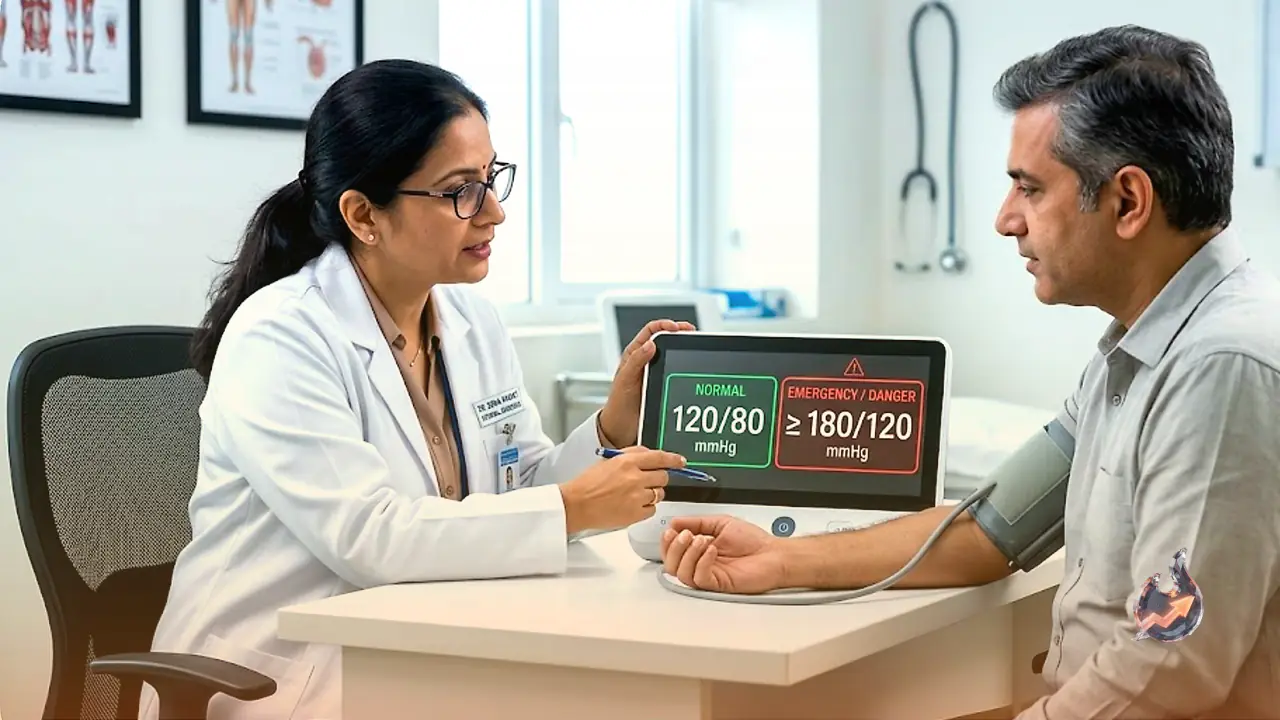
Dr Sonia Rawat, Director of the Preventive Health and Wellness Department at Sir Ganga Ram Hospital in New Delhi, says normal blood pressure for adults is considered to be 120/80 mmHg. The upper reading, or systolic pressure, staying below 120 mmHg, and the lower reading, or diastolic pressure, staying below 80 mmHg, is treated as the ideal range. According to Dr Rawat, this figure is not identical for everyone, it can shift slightly depending on a person's age, existing chronic illnesses and overall medical condition.
How to tell high blood pressure from low blood pressure
Dr Rawat explains that if a person's blood pressure reading consistently comes in at 130/80 mmHg or higher, that is treated as the onset of high blood pressure. If a reading of 140/90 mmHg or above persists over a longer period, it is a clear warning sign that raises the risk of heart disease, stroke and kidney disease. On the other hand, if blood pressure drops below 90/60 mmHg and comes with symptoms such as dizziness, weakness, fainting or blurred vision, that can point to low blood pressure. Her advice is that neither situation should be taken lightly, and treatment should be sought in time.
When does blood pressure become a medical emergency?
According to the expert, if blood pressure reaches 180/120 mmHg or higher and the same reading shows up again on a repeat measurement, it is treated as a medical emergency. If that is accompanied by chest pain, difficulty breathing, a sudden severe headache, blurred vision, trouble speaking, or numbness and weakness in any part of the body, a person should get to a hospital immediately without any delay, since this combination can point to a heart attack or a stroke.
Why high blood pressure is called a silent killer
High blood pressure is often referred to as a silent killer because in most patients, the early symptoms simply do not show up. That is exactly why the condition keeps building quietly, and patients often have no idea it is happening until things turn serious. In many cases, it can sit in the body for years without a single sign before it suddenly turns into a major crisis. That makes it impossible to rely on symptoms alone to catch it, which is why getting blood pressure checked regularly remains the most dependable way to stay ahead of it.
What drives blood pressure up, and how to keep it in check
Per the doctor, a diet heavy in salt, obesity, lack of physical activity, smoking, excessive alcohol consumption, stress, not getting enough sleep, diabetes, kidney disease and a family history of the condition rank among the biggest risk factors for high blood pressure. To keep it under control, it helps to eat a balanced diet, cut down on salt intake, exercise for at least 30 minutes every day, manage body weight, and stay away from smoking and tobacco altogether. Taking up yoga, meditation or other relaxation techniques to bring down stress levels is also beneficial. And if a doctor has already prescribed medication, taking it regularly matters just as much.
When should you actually see a doctor?
If a person's blood pressure reading consistently comes in at 140/90 mmHg or higher, if it stays uncontrolled despite taking medication, or if there are repeated episodes of very low blood pressure along with dizziness and fainting, it is time to consult a doctor. People dealing with pregnancy, diabetes, heart disease or kidney disease should keep monitoring their blood pressure on a regular basis. Regular blood pressure checks combined with a healthy lifestyle can significantly cut down the risk of heart attacks, strokes and serious kidney illness.