

















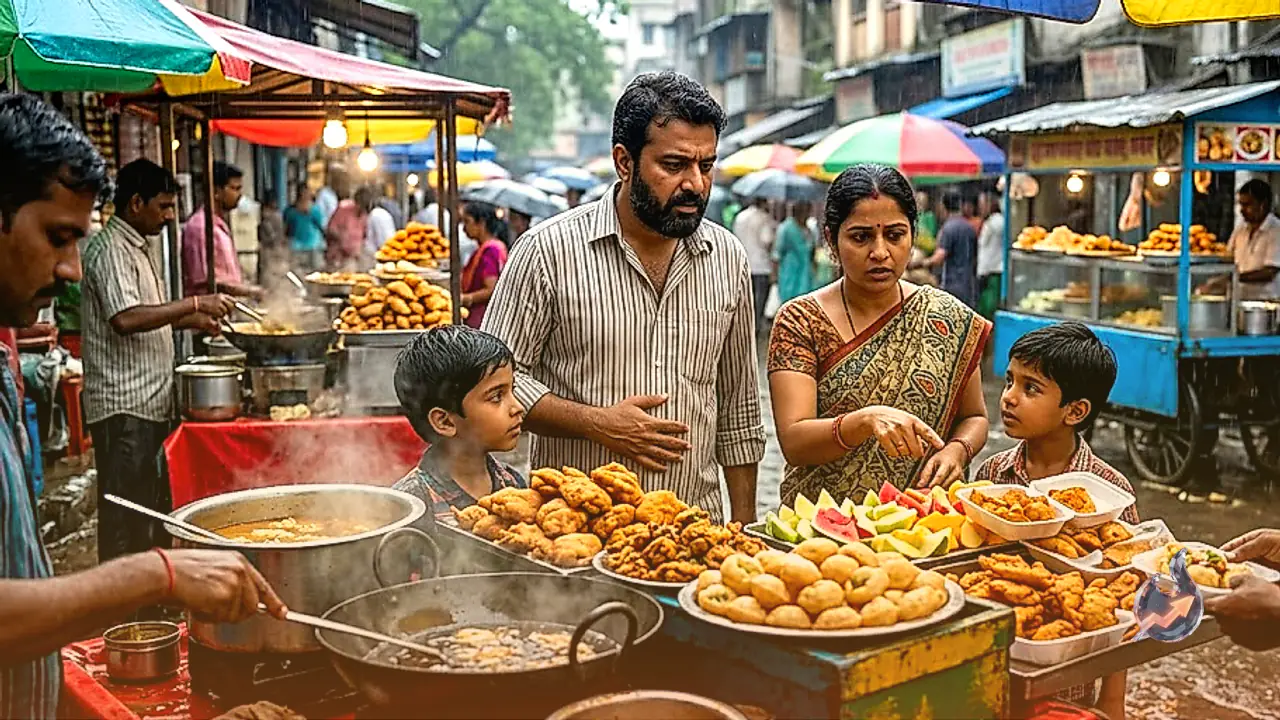

The gentle patter of monsoon rain may feel soothing, but this season is far less friendly to your stomach than it seems. As humidity in the air rises, bacteria and fungus multiply rapidly, and this directly slows down the pace of the human digestive system. If eating habits are not watched carefully during this period, gas, acidity and stomach cramps can build up to a point where they become genuinely hard to manage. That is exactly why, if the goal is to avoid repeated trips to the doctor over the next two months, it makes sense to steer clear of a few specific foods right away.
Fried snacks like samosas and pakoras can weigh you down
The moment the rains begin, the craving for hot pakoras or samosas alongside a cup of tea kicks in for most people, but that very habit can backfire on the stomach. Heavy, deep-fried food becomes considerably harder for the body to digest in this weather. It can trigger acid reflux, the burning sensation in the chest, along with a heavy, bloated feeling in the stomach.
Leafy greens need extra caution too
Leafy green vegetables are usually considered excellent for health, but during the monsoon they demand a bit more care. Vegetables like cabbage and spinach tend to develop bacteria quickly between their layers in this weather, and can carry hidden dirt or germs. Eating them without proper care can lead to stomach infections, food poisoning and sharp abdominal pain.
Street-side golgappas and chaat carry real risk
Eating golgappa with its spicy water, or other chaat and pakodi sold on roadside stalls, can be quite risky during this season. Such food is often left uncovered, allowing flies to settle on it, and the water used to prepare it is sometimes contaminated. This combination raises the risk of illnesses such as typhoid, diarrhoea and severe stomach cramps.
Seafood and non-veg are better avoided for now
Monsoon also happens to be the breeding season for fish and other marine creatures. Eating seafood during this period significantly raises the risk of stomach infections. That is why it is a sensible call to avoid non-vegetarian food, especially seafood, over the next few months, so the stomach does not fall prey to an unknown infection.
Watch out for pre-cut fruit and excess water-heavy foods
Pre-cut fruit sold on the roadside can become a breeding ground for germs, since it is typically kept out in the open and uncovered. On top of that, overeating fruits with a cooling nature during this season can upset digestion, increasing problems like gas and bloating. It is far better to wash and cut fruit fresh at home rather than buying it pre-cut.
Overall, keeping the stomach healthy through the monsoon comes down to staying away from deep-fried snacks, certain leafy vegetables, street food, seafood and pre-cut fruit, a simple habit that goes a long way in preventing avoidable stomach trouble.