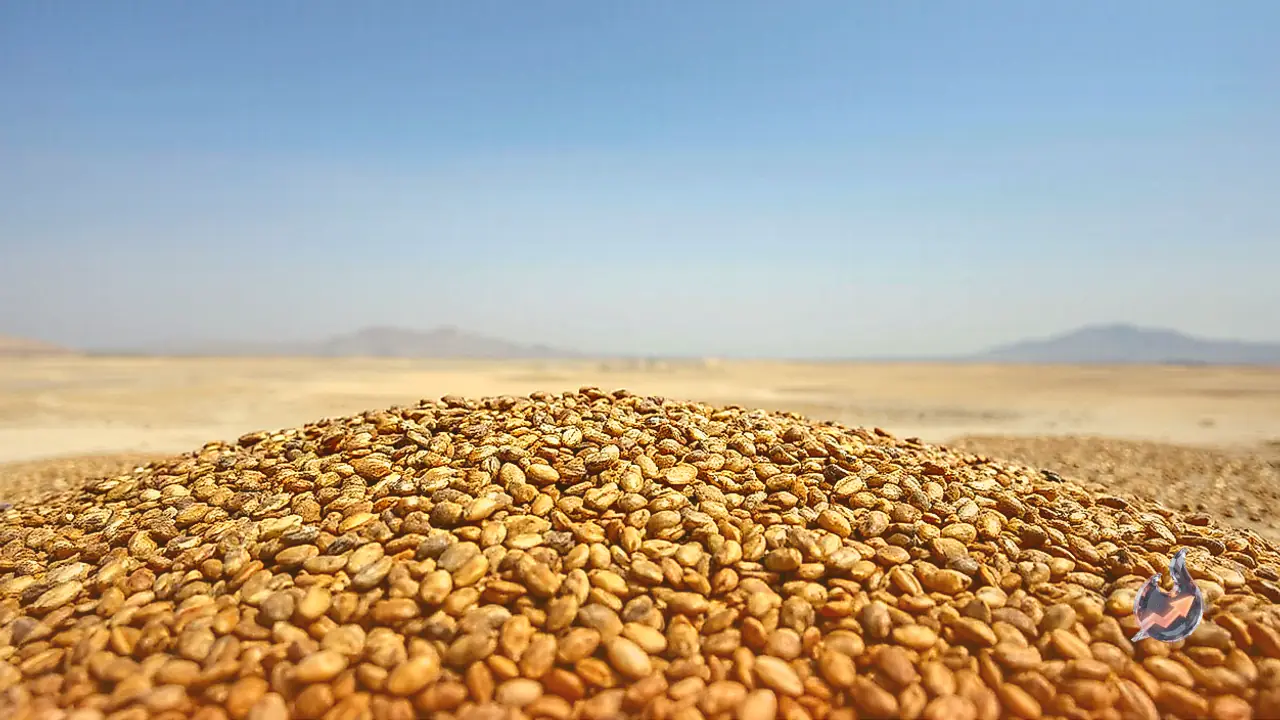























Halim seeds, tiny as they look, are being described as a quiet nutritional powerhouse for women's health, and gastroenterologist Dr. Shubham Vatsya recently walked through why on his own YouTube channel. Interest in food based nutrition tips has been climbing steadily on social media, and this seed keeps coming up as one people ask about most. According to him, 100 grams of halim seeds contain roughly 90 to 100 milligrams of iron, making it one of the richest plant based sources of iron available. That iron content is exactly why the seeds are credited with raising hemoglobin levels quickly and correcting iron deficiency, a problem that shows up far more often in women than in men.
Why Does Hemoglobin Keep Dropping in Women?
Dr. Shubham Vatsya explains that a healthy hemoglobin range for women should sit between 12 and 15 grams per decilitre. Heavy bleeding during periods and the physical demands of pregnancy, however, frequently push that number below the safe range. When that happens, iron stores in the body drop, fatigue and weakness set in, and the risk of anemia rises. Regular consumption of halim seeds, he says, can help bring hemoglobin back up toward that normal band.
Making Up for Iron Lost During Periods
Women already tend to run lower hemoglobin levels than men on average, which is part of why iron deficiency shows up more frequently among them. Halim seeds are packed with iron and also contain folic acid, and the two nutrients work together to lift hemoglobin levels and offset the iron lost during menstruation, easing the sense of weakness that often comes with it.
The Link Between Iron and Hair Fall
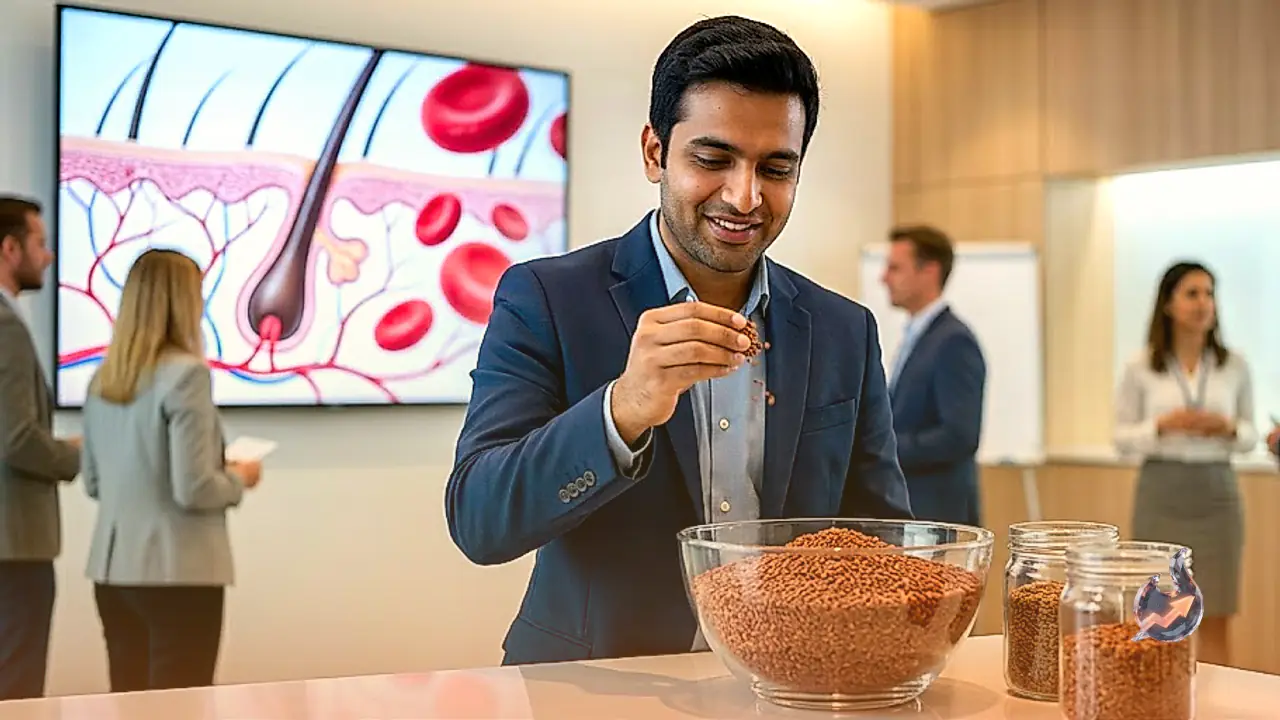
Iron deficiency is also considered a major driver of hair fall, since insufficient iron means hair roots do not get enough oxygen and nourishment. Dr. Shubham Vatsya points out that eating halim seeds improves blood circulation to the scalp, which strengthens hair roots and can gradually bring hair fall under control.
Good for Digestion and Bone Strength Too
The fiber in halim seeds makes bowel movements easier, which cuts down on constipation and keeps digestion running smoothly. The seeds also carry calcium, magnesium and phosphorus, a combination that improves bone density while strengthening muscles, benefits that can pay off over the long run by helping keep joint pain at bay.
What Is the Right Way to Eat Halim Seeds?
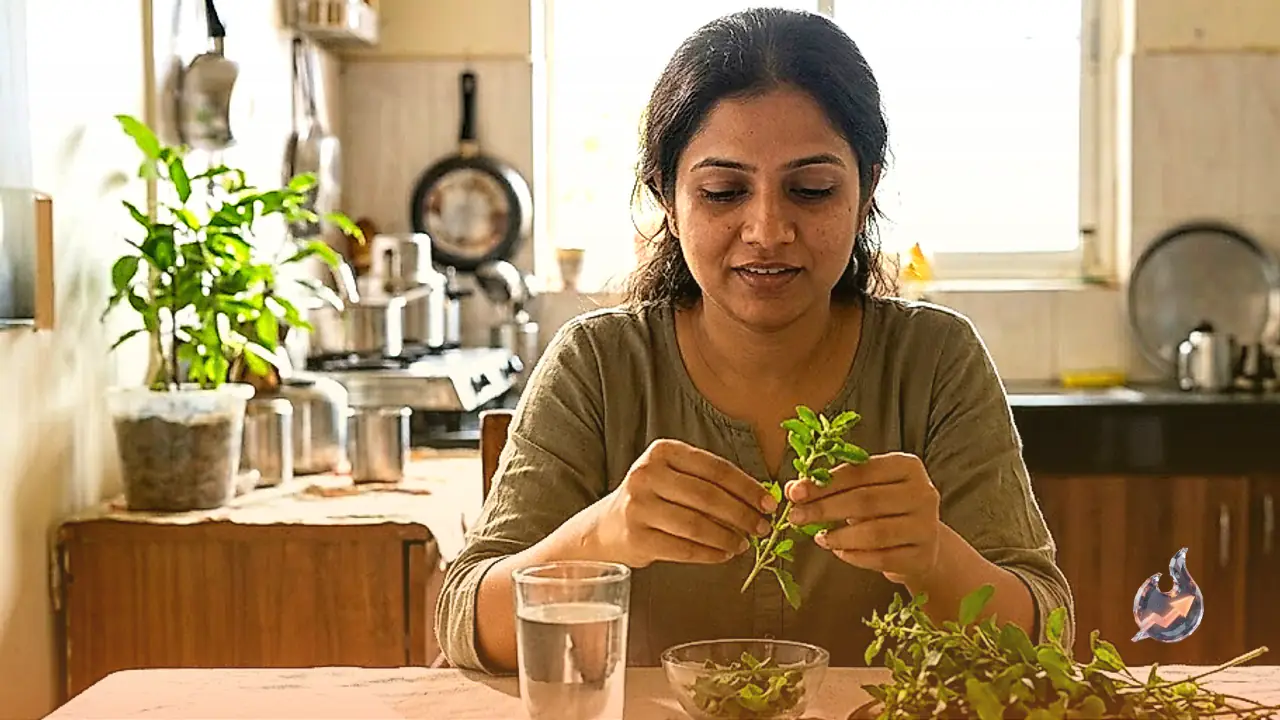
Dr. Shubham Vatsya notes that the full benefit only shows up when the seeds are eaten the right way. His advice is to soak one teaspoon of halim seeds in a glass of water every night before going to bed. The next morning, drink that water and eat the soaked seeds along with it. Doing this consistently is what allows the body to absorb the full range of nutrients, and it also speeds up how quickly the effects become noticeable.
Who Should Be Careful Before Trying This
He is also clear that halim seeds are not automatically safe for everyone. Women who have any kidney related condition, who are pregnant, or who deal with thyroid issues should check with a doctor before adding halim seeds to their routine, so that the seeds do not end up causing complications instead of helping. Overall, working halim seeds into a daily diet is an easy and inexpensive habit to build, as long as it is done in the right quantity and the right way.