























"Do what I say, or you’re not invited to my birthday party!" or "I’m not going to be your partner on the project unless you give me the treat from your lunch!"
These types of threats are common tactics school-age children use to resolve conflicts. Parents and teachers often assume such threats are harmless. However, are they so different from comments children overhear from adults? There is a very thin line between saying, "Daddy better get you to school on time or Mommy will be angry" and a child saying, "If you don’t give me that toy, you won’t be my best friend anymore."
Both adult and child versions are signs of bullying behavior. As a child psychologist, I have observed that children imitate the behaviors they witness at home. Bullying is linked to poor outcomes not only for the victim but also for the bullies, who run a higher risk of experiencing depression during their teenage years. Such children are also more likely to engage in aggressive behaviors, break rules, struggle with substance use, and surround themselves with peers who share these tendencies. Fortunately, parents can shift how they handle personal conflicts to demonstrate healthier ways of interacting.
Getting people to do what you want
Across cultures, most children operate with two primary goals: obtaining things they want and avoiding things they dislike. Children crave affection, praise, toys, and treats. They enjoy playing and spending time with friends. Conversely, they try to avoid tiring or boring tasks like chores, cleaning up, or tedious schoolwork.
Think about the various ways you can get someone to comply, especially when you have power over them. You can use positive tactics like encouragement and praise, or negative methods like threats, manipulation, and force. Children learn which tactics are effective by watching the adults who hold power over them. Stanford psychologist Albert Bandura’s 1961 "Bobo Doll Study" showed that preschool children who witnessed an adult aggressively hitting an inflatable figure were much more likely to show aggression toward that same figure when they felt frustrated.
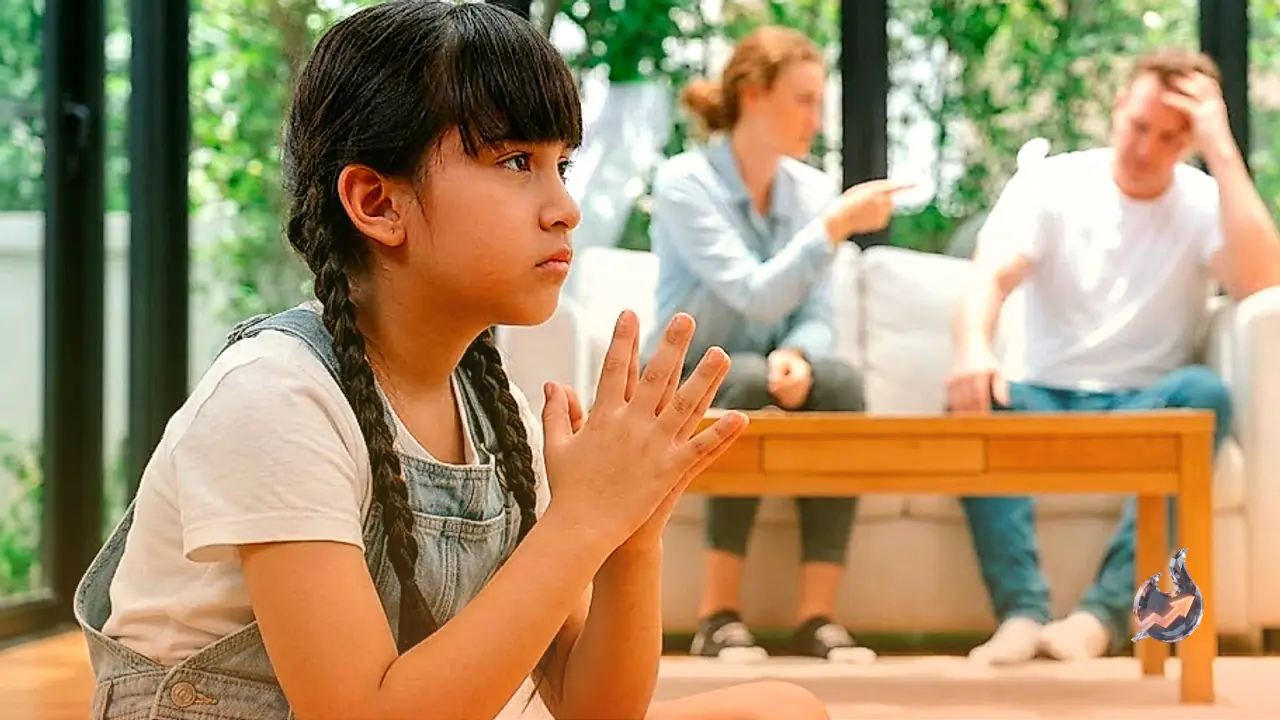
In my own research, I found that individuals exposed to domestic violence during early childhood were more likely to become both victims and perpetrators of violence in their own romantic relationships as adults. Exposure to violence during preschool years is particularly critical, marking a pivotal time for modeling healthy conflict resolution. Beyond physical aggression, children pay close attention to subtle tactics like manipulation and threats. If children constantly hear, "If you don't do this, you'll lose that," they internalize the idea that threats are acceptable and effective. Furthermore, if parents criticize each other or use the "silent treatment" to gain power, children adopt these social dominance strategies. For a child, this evolves into bullying comments like, "You can't play because your dress is ugly" or "You aren't smart enough to be my partner."
Modeling kindness
If modeling aggression is harmful, does modeling respect and compassion help? Yes. Parents who make respectful requests, express gratitude, and work as a team model healthy social strategies for their children. Armed with these positive skills, kids are less likely to bully others and are better equipped to resist being bullied themselves.
For instance, if one parent is patient and empathetic while the other is stern and firm, they can work as a team to leverage their strengths. A morning routine managed with warm encouragement from one parent and consistent boundary-setting from the other is a powerful example of teamwork. Critically, parents should praise each other's strengths in front of their children: "Thanks to Mom for getting us out the door on time!" or "I'm glad Dad keeps us organized!" This subtle respect demonstrates how to leverage relationships for mutual benefit in a healthy way. When children are accustomed to using kindness to get things done, they are less likely to tolerate manipulative behavior from bullies. Internalizing kindness empowers children to walk away from toxic situations. Parents hold the power to shape how their children treat others; the key is modeling gratitude, teamwork, and kindness consistently from the earliest stages of development.