



















While the monsoon season brings a welcome break from scorching heat, it also creates an ideal breeding ground for various microorganisms like viruses, bacteria, and fungi. The constant fluctuations in temperature and high humidity levels mean that cooked food can spoil much faster than expected. In many households, a common mistake persists: cooked meals are left on the kitchen counter for hours. People often assume that if the food still looks fresh, smells normal, and tastes fine, it is safe to eat, which is a dangerous misconception.
Expert Warning on Bacterial Growth
Dr. Santosh Kumar Agarwal, Director of Internal Medicine at Yatharth Super Speciality Hospital, Sector 88, Faridabad, warns that leaving food out in the open during the rainy season significantly raises the risk of food-borne infections. Even if the food appears edible, room temperatures provide the perfect environment for bacteria such as E. coli, Salmonella, and Staphylococcus aureus to thrive. Relying on refrigeration is crucial, as failing to do so exposes individuals to serious health risks associated with contaminated food.
The 6 Hour Rule Explained
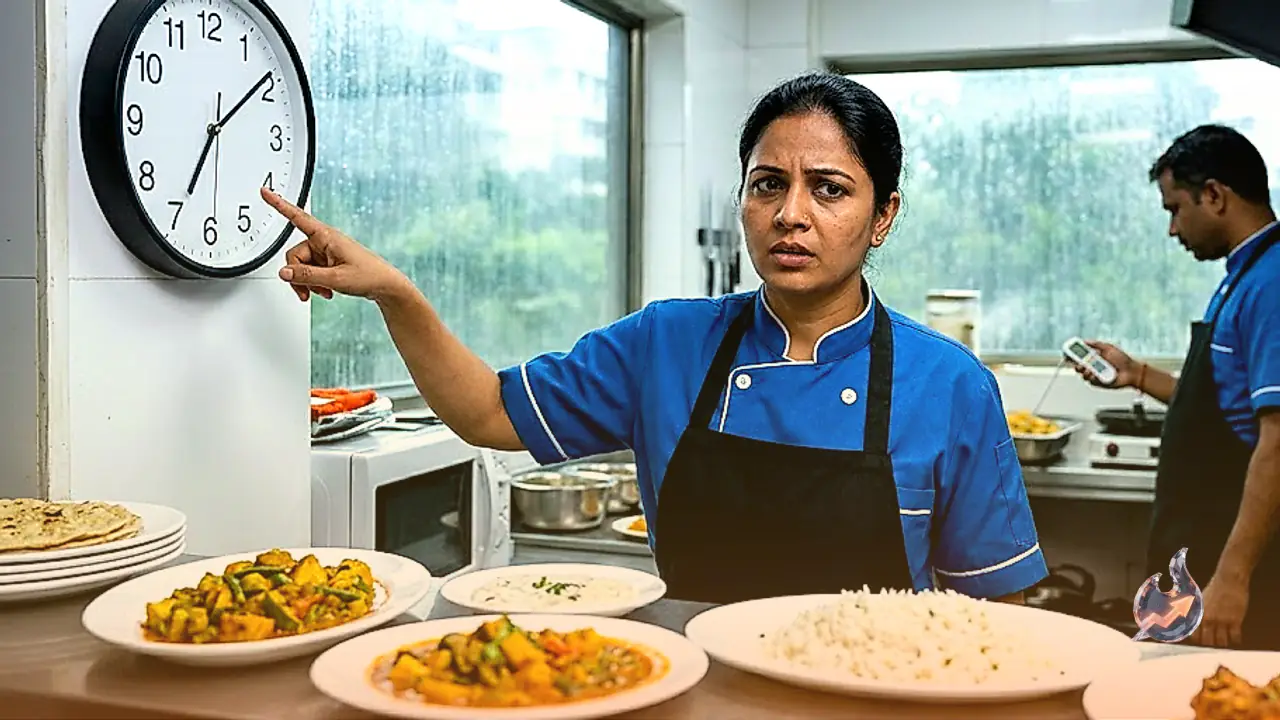
To ensure food safety, experts emphasize the importance of the '6 Hour Rule.' This guideline suggests that cooked food should never be left outside for more than 6 hours. However, the most effective practice is to place cooked food in the refrigerator within a maximum of 2 hours after cooking. Storing food promptly helps minimize bacterial activity, ensuring that the meal remains safe to consume. If there is any uncertainty about how long food has been left outside, it is much safer to discard it to avoid the risk of illness.
Foods Vulnerable During Monsoon
Certain food items are far more susceptible to spoilage during the rainy season. This includes items like rice, dals, dairy-based products, eggs, meat, fish, and cut fruits. These ingredients tend to degrade rapidly when not stored in a hygienic or temperature-controlled environment. Taking extra care when handling these specific items is essential to maintaining health during the monsoon.
Safe Storage and Reheating Tips
Effective food storage starts with proper techniques. Before placing cooked items in the refrigerator, allow the food to cool down slightly and transfer it into clean, sealed containers. Crucially, avoid the habit of reheating food repeatedly. The cycle of cooling and reheating provides opportunities for bacteria to multiply. When consuming leftovers, ensure the food is reheated thoroughly until it is steaming hot. If there is doubt regarding the integrity of the food, prioritizing health over wastage is the best decision.
Kitchen Hygiene Practices
Safety extends beyond storage to include general kitchen hygiene. Always wash your hands thoroughly before cooking or eating. Chopping boards and kitchen utensils must be cleaned after every use to prevent the spread of germs. Furthermore, to avoid cross-contamination, always keep raw ingredients separate from cooked food. Maintaining these simple, disciplined habits is essential for keeping your household safe from the various seasonal health hazards that the monsoon brings.