
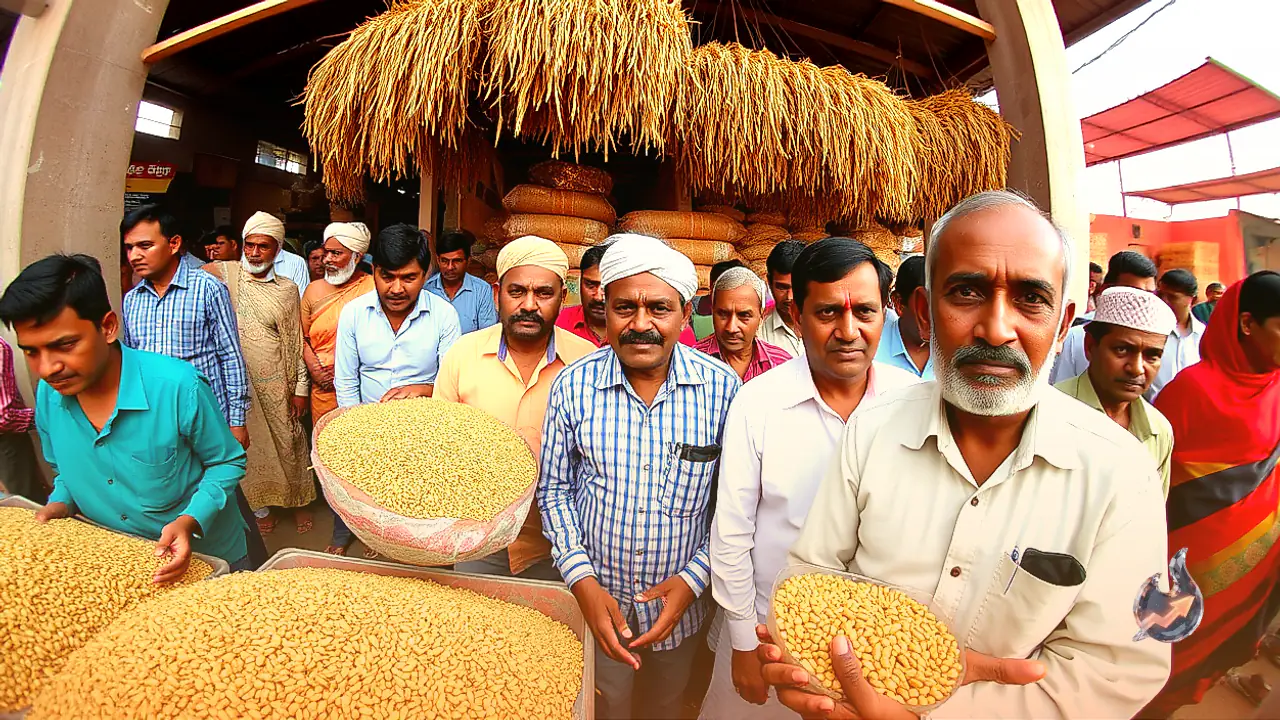






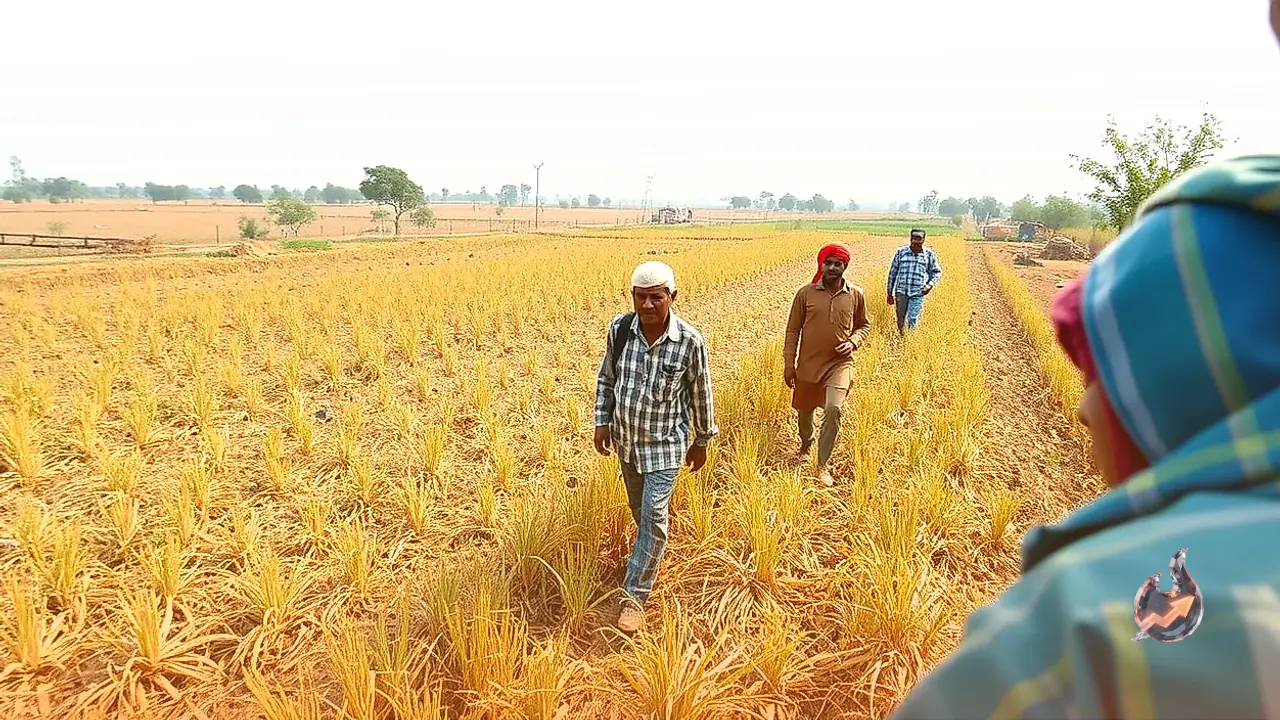

















Lentils and pulses form the core of everyday nutrition in traditional meal spreads. While pigeon peas, yellow lentils, and red lentils frequently find a place in daily cooking, moth beans are often overlooked by many households. Despite their tiny physical size, these legumes carry a remarkably dense nutritional profile. They naturally pack substantial amounts of dietary protein, fiber, iron, magnesium, and a range of other crucial nutrients that the body requires daily.
Building Muscle Strength With Dietary Protein
Ayush physician Dr. Rajkumar points out that moth beans serve as an excellent source of natural protein. Protein remains an indispensable building block for the human body, playing a central role in maintaining muscle strength and enabling diverse physiological processes. For individuals aiming to enhance their overall protein intake, rotating various pulses through meals proves far more advantageous than relying entirely on conventional varieties.
Regulating Appetite and Curbing Snacking Urges
Experiencing persistent hunger shortly after completing a meal typically signals a shortage of dietary fiber. Moth beans are abundant in dietary fiber, which steadily slows digestion and ensures the stomach remains comfortably full for an extended duration. This prolonged feeling of satiety actively helps people curb unprompted food cravings and cut down on unnecessary between-meal nibbling.
Digestive Health and Safe Cooking Methods
A well-balanced digestive system relies heavily on an adequate daily supply of fiber, and moth beans deliver exactly that support. Fiber allows the digestive tract to function smoothly and consistently. By ensuring the beans are thoroughly cooked before consumption, households can effortlessly transform them into an easily digestible, highly nourishing staple in daily dining.
Managing Sensitivity and Bloating Concerns
Certain individuals frequently encounter indigestion, intestinal gas, or abdominal bloating after consuming specific pulses. People prone to these digestive discomforts should adopt a cautious approach when introducing moth beans to their routine. Starting with modest, small portions allows one to observe bodily responses carefully before scaling up regular intake.
Replenishing Hemoglobin and Vital Minerals
Iron intake is fundamental for synthesizing hemoglobin in the blood, making iron-rich foods essential within a wholesome balanced diet. Moth beans offer an accessible dietary source to sustain adequate iron levels over time. Furthermore, the presence of minerals like magnesium aids in driving several routine biochemical tasks in the body, ensuring that incorporating these beans reliably rounds out daily nutritional goals.