























A lack of timely awareness regarding subtle physical issues often leads to lifelong complications and regret. One common condition that significantly alters facial appearance is misaligned, crowded, or protruding teeth. When teeth fail to align naturally, they disrupt the overall balance of facial features. According to East Champaran-based dentist Dr. Shrikant, paying attention to these dental irregularities during their early stages can effectively prevent permanent aesthetic and functional problems.
Key Triggers Behind Protruding Teeth and Childhood Habits
The development of protruding or uneven teeth stems from several distinct factors. Dr. Shrikant pointed out that prolonged thumb-sucking during childhood exerts continuous forward pressure on developing gums, causing the front teeth to flare outward. Similarly, the habit of sleeping with an open mouth affects proper jaw posture and contributes to irregular dental growth over time.
Infant feeding practices also play a substantial role. When parents allow babies to fall asleep with a milk bottle remaining in their mouth, the prolonged resting position creates pressure that raises the risk of teeth protruding. In addition to these behavioral habits, genetic factors and hereditary jaw structures can also cause teeth to grow out of alignment.
Delayed Shedding of Milk Teeth Causes Irregular Eruption
Another frequent cause of malocclusion is the delayed shedding of primary milk teeth. If a baby tooth does not fall out at its expected developmental milestone, the incoming permanent tooth lacks the necessary space to erupt in its proper position. Consequently, the permanent tooth emerges wherever it finds an opening, leading to crooked, stacked, or awkwardly positioned teeth. Noticing this irregularity calls for an immediate dental consultation to remove the obstruction.
Ages 10 to 15 Offer the Optimal Window for Corrective Treatment
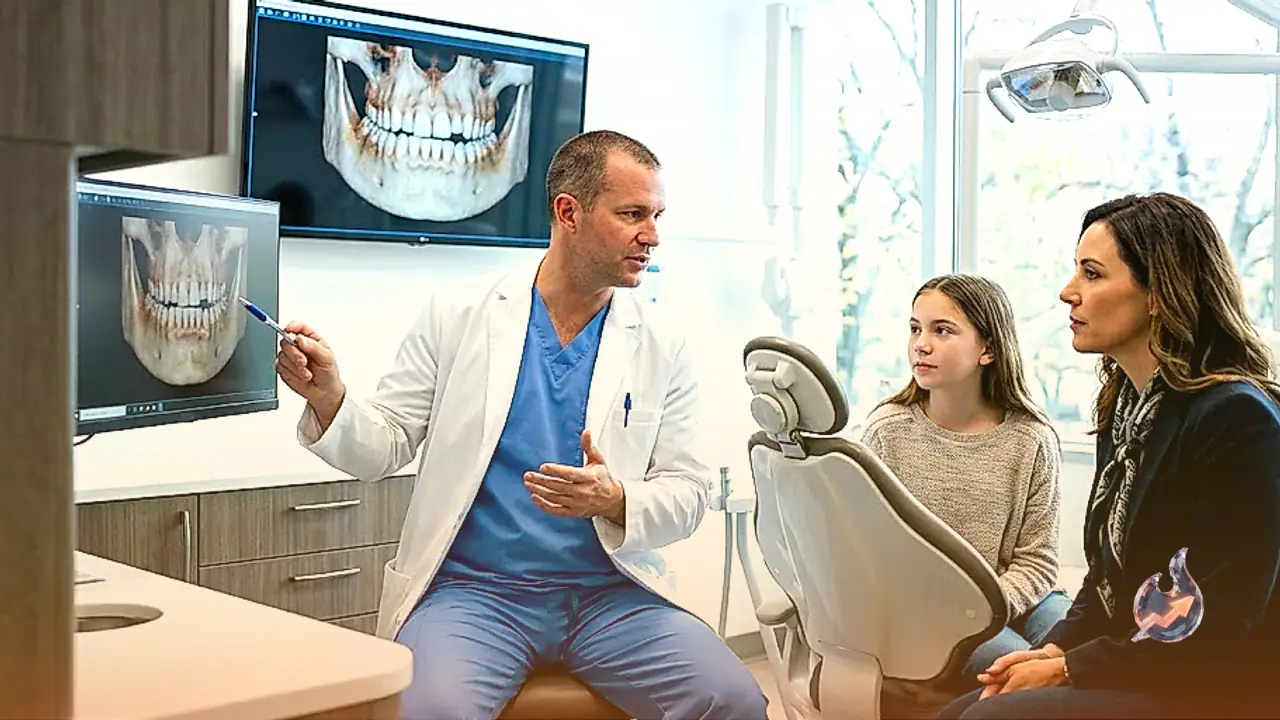
Timing remains critical when addressing teeth alignment issues. Dr. Shrikant highlighted that the age bracket of 10 to 15 years is the most effective window for corrective dental treatment, as growing jawbones and surrounding tissues respond much faster and more easily to orthodontic adjustments.
Many patients only seek professional help much later in life, often when facing matrimonial difficulties or broken marriage prospects due to aesthetic concerns. By that stage, substantial time has elapsed, making the corrective process far more challenging and prolonged. Recognizing early signs of protrusion and seeking timely intervention ensures the best long-term outcomes.