






















A 21-year-old resident of Patna who suffered extensive nerve damage in a road accident has regained near-complete mobility in his right arm following a complex medical intervention. The initial collision had left the young man with a fractured right knee along with severe damage to his right arm. While the knee injury healed after immobilization with a plaster cast and sufficient rest, the right limb, which handled around 90 percent of his daily routine tasks, remained completely motionless and non-functional for nearly three years.
Severe Brachial Plexus Injury Severed Nerve Connection
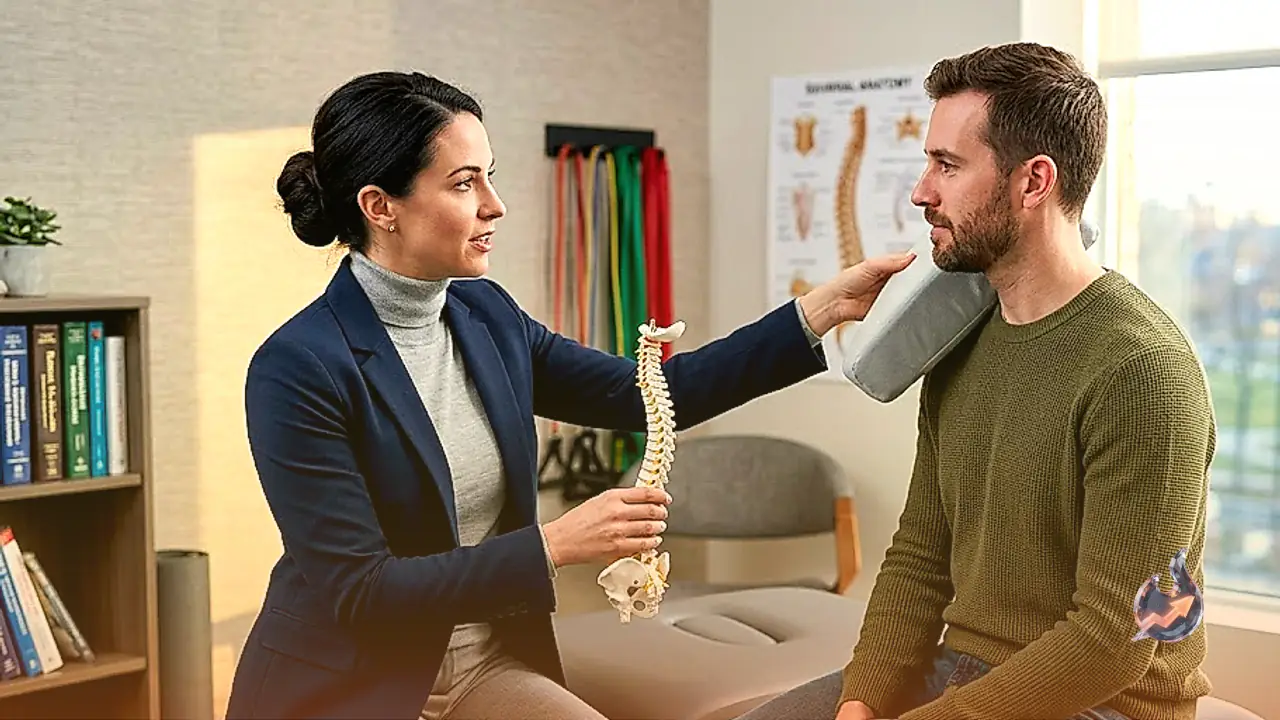
Clinical assessments revealed that the impact of the road collision had severely injured the brachial plexus nerve network in the youth's right arm. The brachial plexus is a critical biological wiring system of nerves routing signals from the spinal cord down into the shoulder, arm, and hand. Because this vital neural circuitry sustained heavy trauma, the communication link between the patient's brain and his right arm was severed entirely, leaving the limb limp, unresponsive, and incapable of lifting or grasping.
Three Years of Immobility Followed by Specialized Evaluation
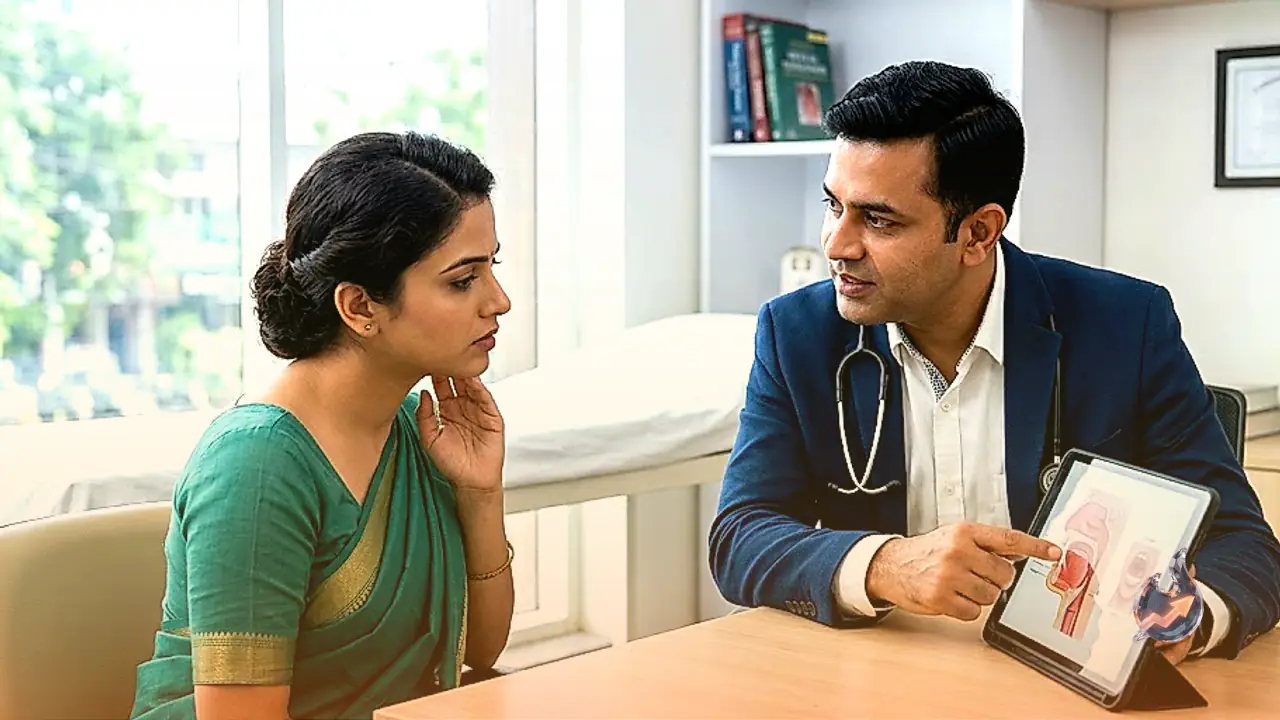
Struggling with a lifeless limb, the patient spent three years seeking viable medical solutions without meaningful recovery. Eventually, he visited the orthopedics department at Ford Hospital in Patna for a comprehensive evaluation under orthopedic surgeon and specialist Dr. Vineet Vivek. After reviewing the diagnostic scans and assessing the neural impairment alongside the knee condition, the medical team recommended targeted surgery to address the persistent damage and reconstruct the damaged limb function.
Surgical Intervention Coupled With Rehabilitation Delivers Recovery
The specialized surgical procedure was performed successfully, addressing the structural and neural deficits. Following the operation, the patient underwent a rigorous regimen of physiotherapy sessions designed to stimulate nerve regeneration and restore muscular responsiveness. The structured rehabilitation produced remarkable progress, allowing the young man to achieve approximately 90 percent functional recovery and resume his essential day-to-day activities independently.
Clinical Complexity of Brachial Plexus Trauma
Dr. Vineet Vivek explained that injuries involving the brachial plexus are particularly intricate because they compromise the primary nerve cluster governing motor control and sensory perception in the upper limb. Such damage frequently results in profound muscular weakness or complete loss of limb movement, rendering the affected person unable to operate the arm. Specialist diagnostic evaluation, precise surgical repair, and committed postoperative physical therapy are essential components for restoring limb utility in such trauma cases.