























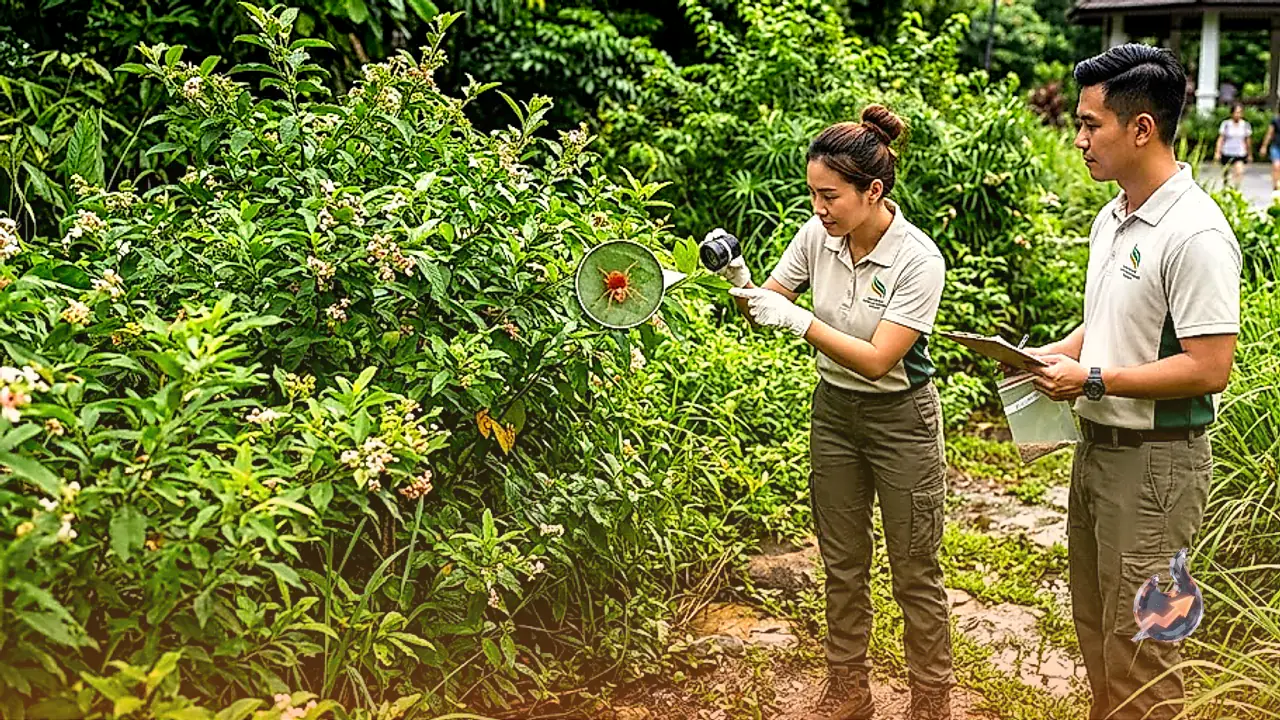

Stepping out into overgrown greenery, grassy patches, and secluded vegetation during seasonal shifts and monsoon spells demands extra vigilance. Damp and dense vegetation often harbors microscopic infected mites whose bites can transmit a bacterial illness known as scrub typhus. Because its opening symptoms closely mimic an ordinary viral fever, individuals frequently dismiss the condition in its initial stages. However, delaying proper clinical care can cause the infection to spiral, posing serious risks to several vital internal organs.
Source of the Infection and Mode of Transmission
Explaining the biology behind the illness, Dr. Bhavjeet, MD Medicine at Yashoda Hospital in Sanjay Nagar, Ghaziabad, notes that scrub typhus is triggered by a bacterium designated Orientia tsutsugamushi. The disease makes its way into the human bloodstream through the bites of infected larval mites. These microscopic bugs thrive predominantly in thick brushwood, unmanaged grass, timber piles, and pockets of wild vegetation. Anyone walking through, cleaning, or spending time in these specific environments faces a heightened risk of exposure.
Recognizing Early Symptoms and the Eschar Mark
Patients contracting scrub typhus typically experience a sudden spike in body temperature, debilitating body ache, persistent headache, and severe physical fatigue. A distinct clinical hallmark of the bite is a dark, crusty sore known as an eschar that often develops at the precise site where the mite fed. It is worth noting, however, that an eschar does not manifest on every single infected patient. Because this telltale mark might be absent, recurring or unresolved fevers should never be ignored or treated casually.
Severe Complications and Organ Stress
Without prompt medical evaluation and timely antibacterial management, the infection can take an aggressive course. As the bacterial load multiplies, patients may exhibit profound lethargy, marked drowsiness, and acute respiratory distress stemming from lung involvement. The systemic infection can subsequently impair liver and kidney functions. In critical presentations, this widespread inflammation risks triggering multi-organ dysfunction, escalating the medical emergency significantly.
Protective Measures and Preventive Steps
To reduce exposure, Dr. Bhavjeet advises individuals to keep their skin fully covered whenever they must enter areas with tall grass or thick foliage. Wearing long-sleeved shirts, full trousers, and closed footwear provides a physical barrier against bites, while applying insect repellent creams offers extra protection. Regular clearing and landscaping of overgrown shrubs, weeds, and tall grass around houses, courtyards, and local community parks are equally crucial. At the onset of unexplained fever or body pain, self-medication must be strictly avoided in favor of a doctor's examination, supported by a wholesome, nutritious diet to sustain natural immunity.