























People frequently overlook sudden rashes or spots on their skin by mistaking them for temporary seasonal allergies, but this negligence can lead to severe health complications. When red patches emerge persistently across the face or any part of the body without resolving through ordinary remedies, consulting a dermatologist without delay becomes essential. Failing to seek timely professional medical evaluation can allow this skin condition to deteriorate into a life-threatening health crisis.
Understanding Psoriasis and Severe Skin Damage
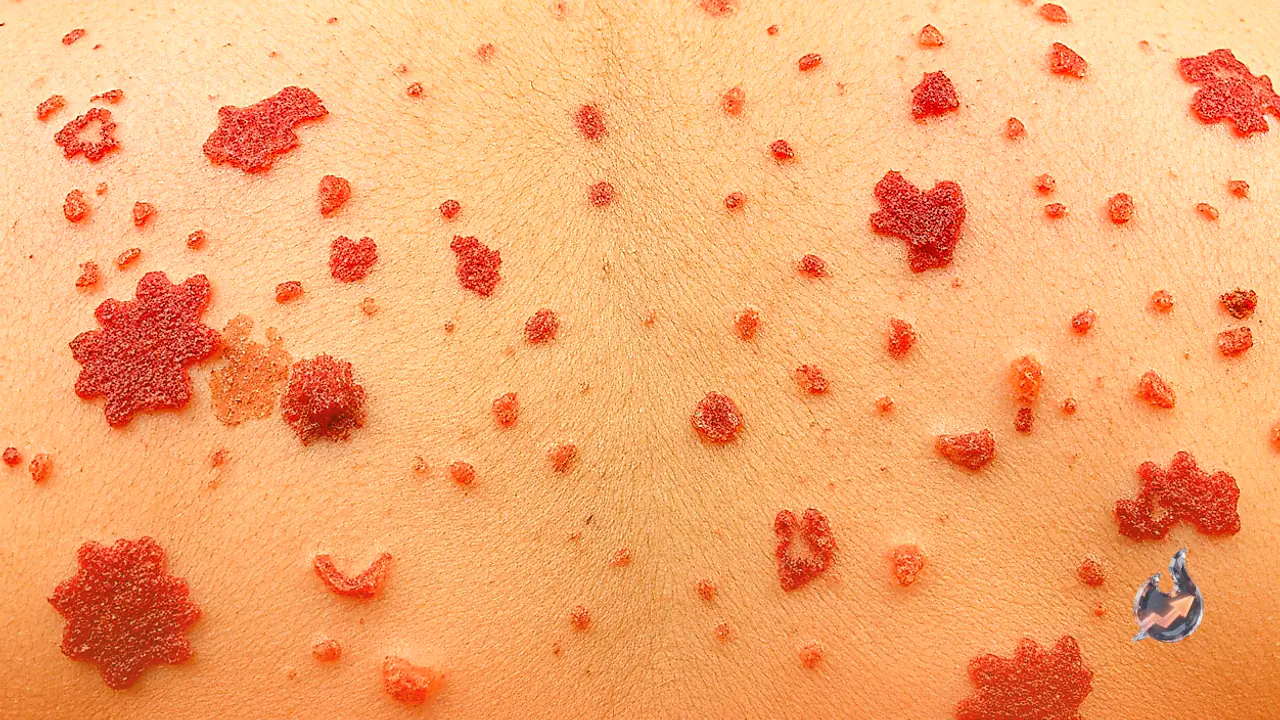
While various fungal infections can impact dermatological wellness, psoriasis stands out as one of the most hazardous chronic disorders affecting the skin. According to Dr. Amarjeet Singh Verma, this condition gradually produces prominent reddish patches across the body, causing structural harm to the epidermal layers. Furthermore, it triggers secondary infections that actively contribute to the onset of additional systemic illnesses. Consequently, early diagnosis and swift medical intervention remain vital for managing the disorder. Given that treatment for this illness typically extends over a prolonged duration, treating visible red patches casually can result in severe physical danger.
Heightened Risks of Depression and Heart Complications
The impact of psoriasis extends far deeper than surface-level aesthetic concerns, severely undermining emotional and physical health. Dr. Verma points out that individuals coping with this ailment experience a substantially elevated risk of developing clinical depression. Additionally, while the correlation might not appear immediately direct, clinical evidence reveals indirect physiological markers that significantly intensify the danger of experiencing a heart attack. Scientific investigations and research conducted by medical college students have highlighted how remarkably severe these internal symptoms and long-term health consequences can be.
Key Symptoms and Observable Warning Signs
Recognizing the illness begins with identifying raised reddish eruptions that form across the skin. Over time, these red marks begin to transform, developing distinctive silvery-white dry flakes and scaling over the surface. The afflicted person frequently experiences relentless itching and burning sensations across the affected zones. In aggravated circumstances, the dried skin cracks open, leading to localized bleeding and discomfort. Another telling hallmark of psoriasis manifests in the fingernails and toenails, which often develop tiny pitting depressions or turn unusually thick and brittle. Such visible changes must never be mistaken for routine skin irritation.
Modern Treatment Pathways and Preventive Care
In modern clinical practice, biological therapies are increasingly employed to bring psoriasis under effective medical control. Physicians also prescribe targeted medications alongside specialized medicated creams depending on the patient's individual requirement. Dr. Verma emphasizes that individuals must strictly avoid applying over-the-counter creams without the explicit guidance of a qualified specialist, as careless self-medication can prove counterproductive and dangerous. To mitigate flare-ups, keeping the skin well-hydrated with regular application of moisturizer is crucial to avoid dryness. Additionally, actively managing stress levels plays an essential role in keeping psoriasis symptoms under control.