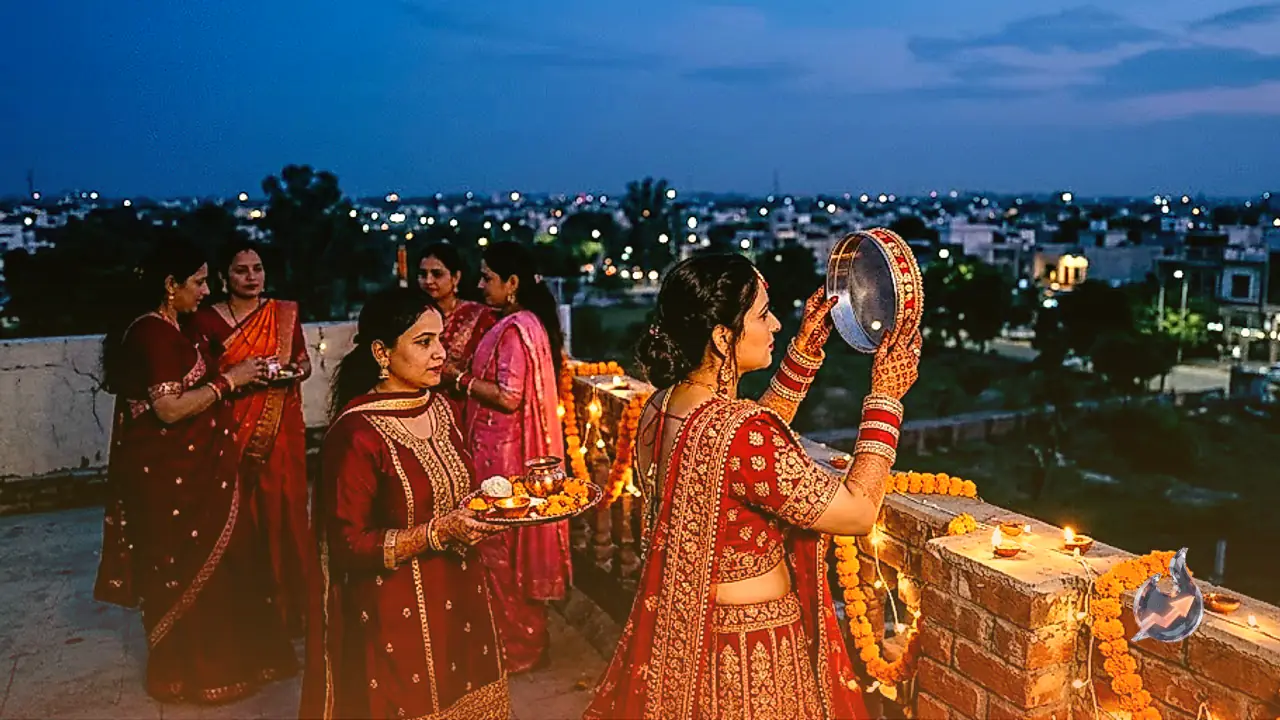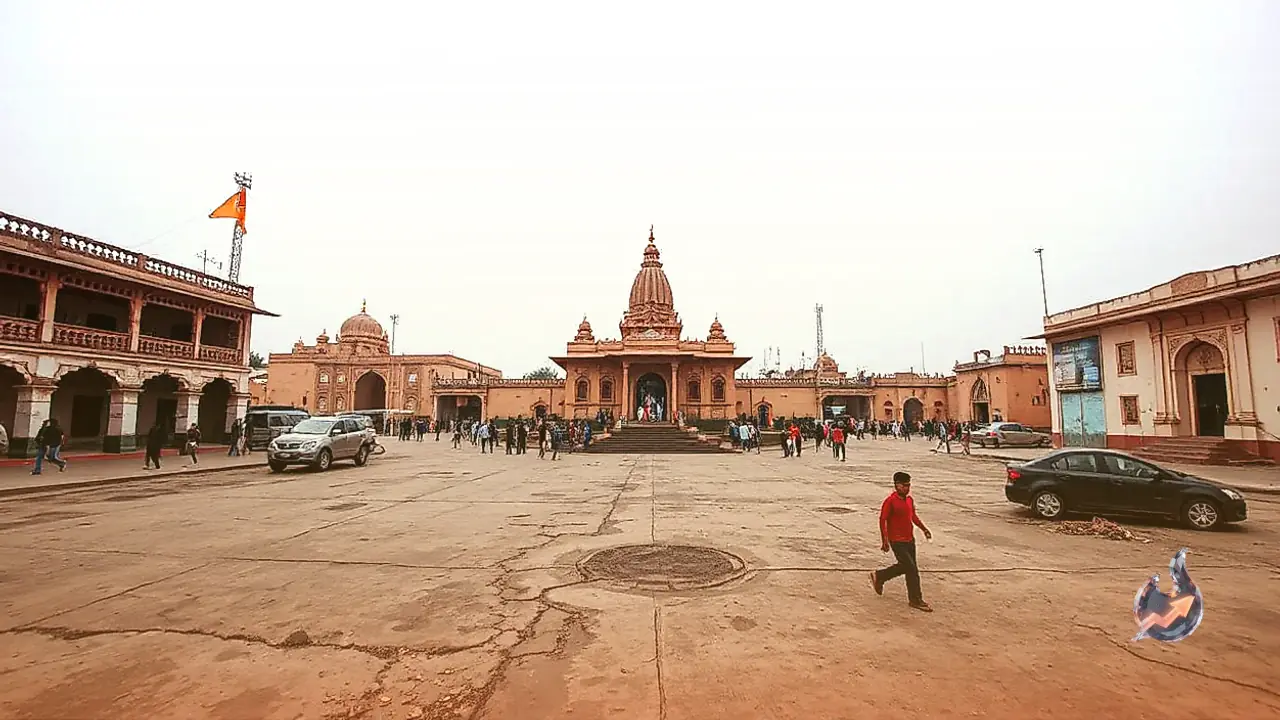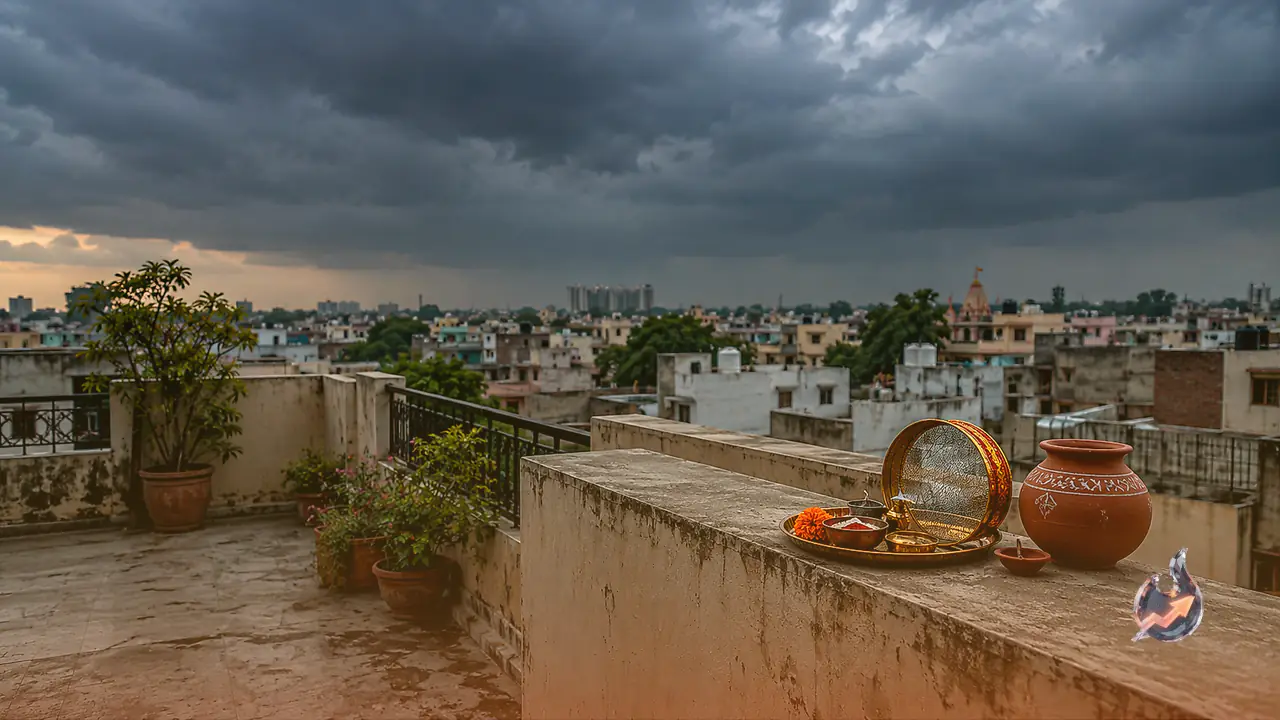




















Observed every year on the Ashtami tithi of the Krishna Paksha in the holy month of Kartik, the sacred festival of Ahoi Ashtami will be celebrated on November 1 in the year 2026. On this auspicious day, mothers observe a strict day-long fast, praying sincerely for the long life, sound health, and bright future of their children. The traditional rituals culminate in the evening with an offering of arghya to the stars, although in certain regions, families conclude the fast only after offering arghya to the rising moon.
Auspicious Timings and Duration for Evening Puja
Performing the rituals during the designated sacred window is regarded as deeply auspicious. In 2026, the ideal puja muhurat for worshiping Ahoi Mata commences at 05:43 PM and concludes at 07:00 PM. This provides mothers with a total window of approximately 1 hour and 18 minutes to conduct the prayers, read the traditional sacred lore, and present offerings at their home altars.
Timings for Star Sighting, Arghya, and Moonrise
According to the astronomical calendar, the designated time for sighting the stars and presenting the sacred water offering (arghya) begins at 06:07 PM, and women can comfortably offer arghya at or anytime after this hour. For those observing the custom of breaking their fast only upon sighting the moon, the moonrise in New Delhi is scheduled for late night at 11:42 PM. The exact moonrise timing may show slight variations across different Indian states and cities depending on geographic coordinates.
Step-by-Step Puja Vidhi for Devotees
Mothers intending to observe the fast should begin their day early by rising during the sacred Brahma Muhurta. After completing morning cleansing routines and wearing fresh, clean clothes, they should take a formal pledge (sankalp) dedicated to the welfare and longevity of their offspring. Devotees then observe the strict fast through the day while preparing the ceremonial area for the evening prayers.
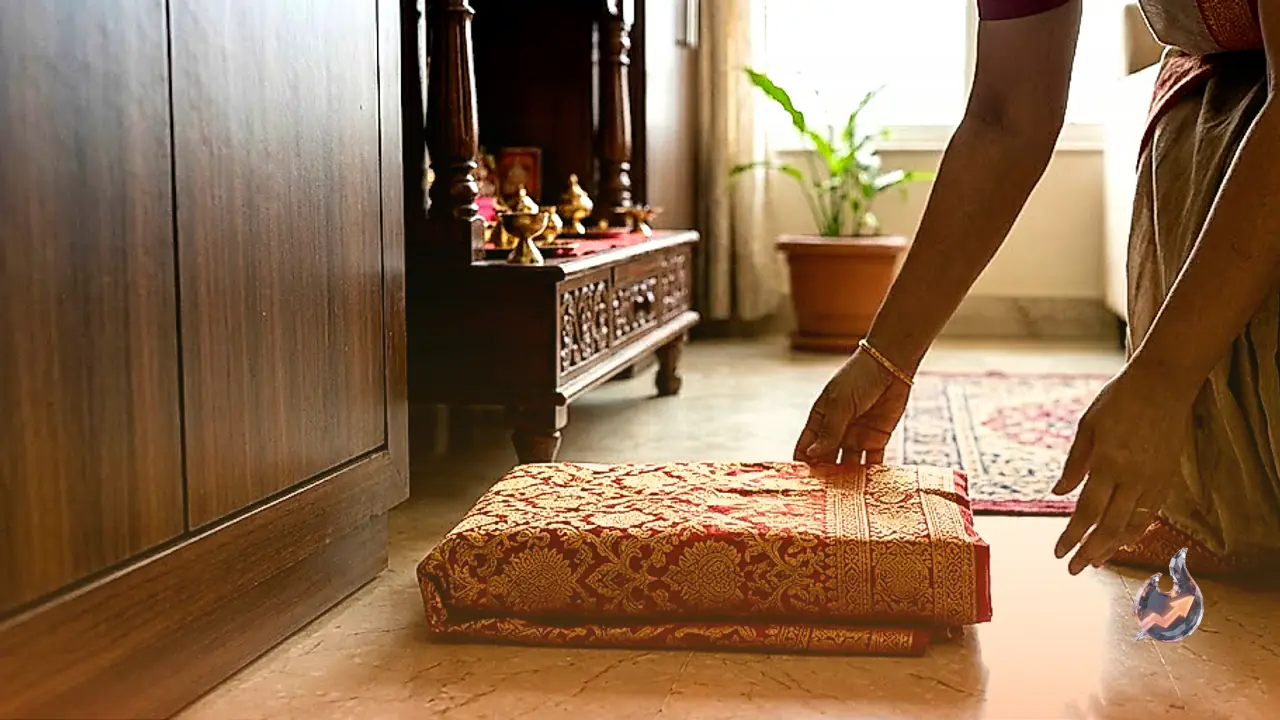
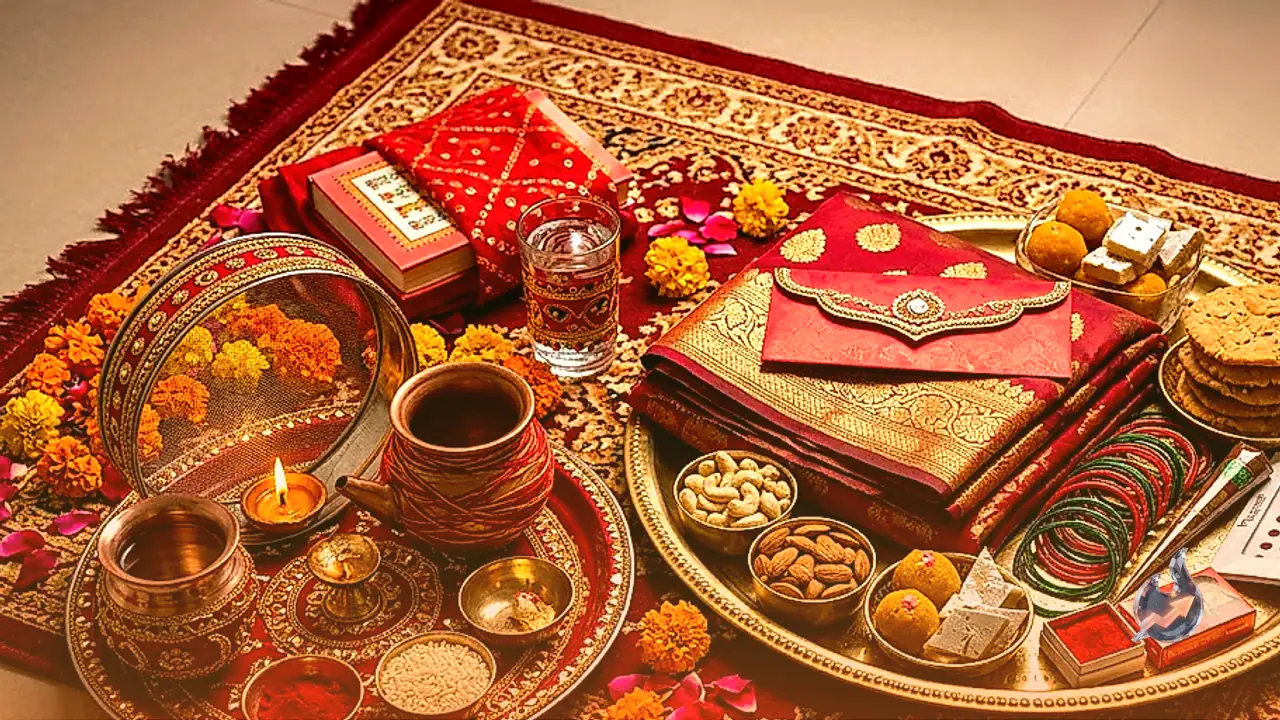
To set up the altar, place a low wooden platform in the domestic prayer space and drape it with a clean red cloth. Install an image or icon of Ahoi Mata upon the platform. Light an earthen lamp and incense sticks to sanctify the space, and reverently present akshat (unbroken rice grains), roli, fresh blossoms, and a garland to the deity. Offer a preparation of seasonal fruits and sweets as bhog. The family then listens to or recites the traditional Ahoi Ashtami vrat katha with deep devotion, followed by the ceremonial singing of the aarti. The fast is formally concluded by presenting water to the stars in the evening sky.
The Divine Form of Ahoi Mata and Her Spiritual Significance
In accordance with long-standing religious beliefs, Ahoi Mata is venerated as a sacred manifestation of Goddess Parvati. In several cultural regions, she is affectionately addressed as Syahu Mata. Worshiping her on this sacred date is believed to shield children from adversities, while fostering sustained prosperity, peace, and domestic contentment throughout the household.
The Sacred Legend Behind the Festival
The observance of Ahoi Ashtami is rooted in an emotional legend passed down across generations. According to ancient lore, the daughter of a moneylender visited a nearby forest just before the festival of Diwali to dig soil for home preparations. While using her digging tool, she inadvertently struck and fatally injured the young cub of a hedgehog-like creature known as Syahu. Overcome with grief and fury, the mother Syahu cursed the young woman, vowing that her womb would remain barren.
Devastated, the moneylender's daughter pleaded with her sisters-in-law to shoulder the curse on her behalf. Moved by deep empathy for her sister-in-law, the youngest daughter-in-law voluntarily stepped forward to bear the misfortune. Under the heavy burden of the curse, every child born to the younger daughter-in-law passed away within seven days of birth. Overwhelmed with sorrow, she sought guidance from a learned priest to find a spiritual remedy.
Guided by the priest's counsel, the woman served a Surahi cow with steadfast dedication, followed by sincere service to the creature Syahu herself. Impressed by her genuine devotion, perseverance, and purity of heart, Syahu pardoned her and blessed her with seven healthy sons and suitable daughters-in-law. Since that time, the tradition of venerating Ahoi Mata (Goddess Parvati) along with Syahu has been preserved on Kartik Krishna Ashtami, serving as a protective shield and blessing of longevity for generations of children.