



















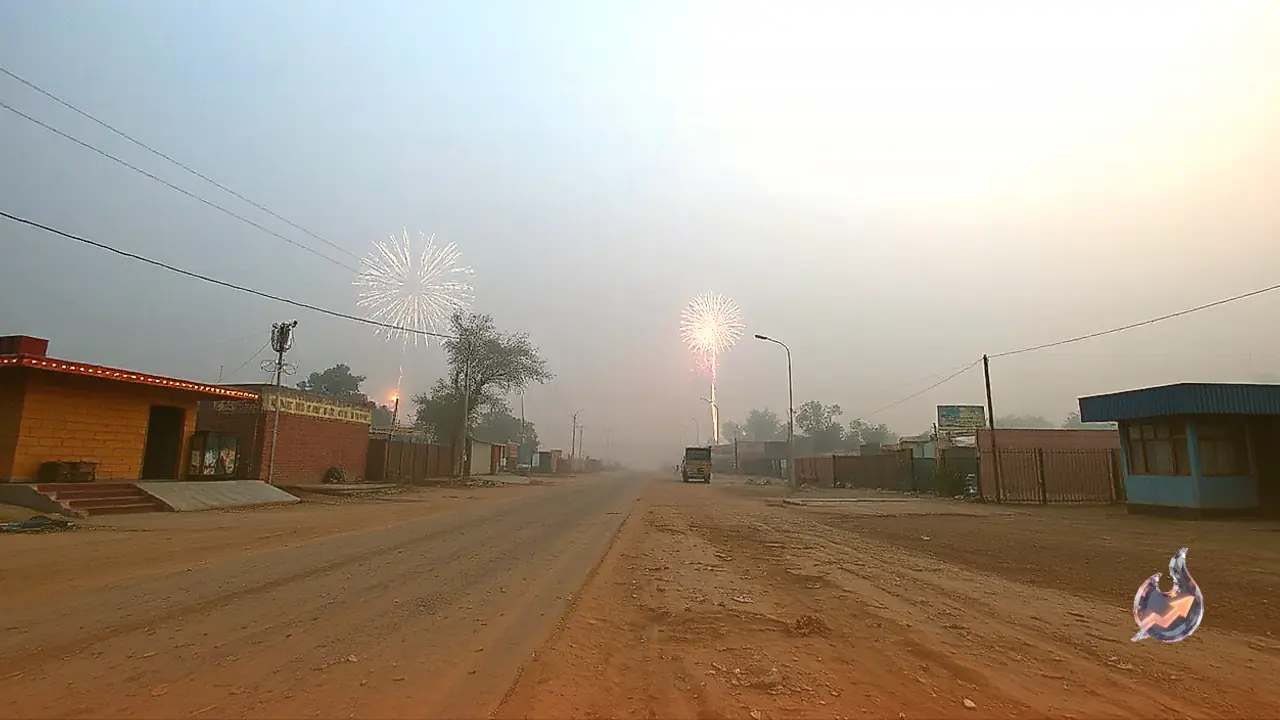

The arrival of festive celebrations illuminates neighborhoods with vibrant lights and fireworks, yet this lively atmosphere brings severe health risks for individuals living with pre-existing respiratory disorders. Plumes of chemical smoke released by fireworks combine with airborne dust particles to trigger extreme breathing difficulties. Even a brief lapse in caution can lead to acute bronchial spasms, chest tightness, or severe asthmatic emergencies. Health professionals emphasize that safeguarding one's respiratory health must remain the foremost priority while celebrating with friends and family.
The Dual Burden of Crop Harvesting and Firework Emissions
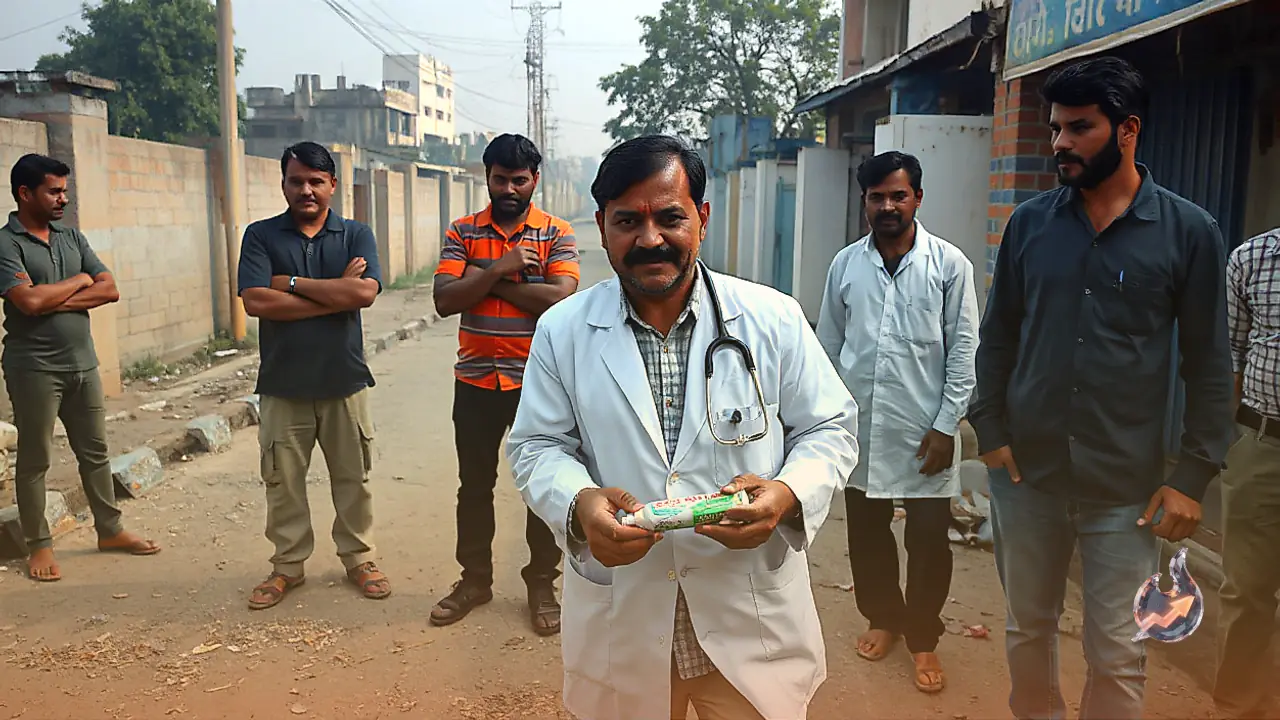
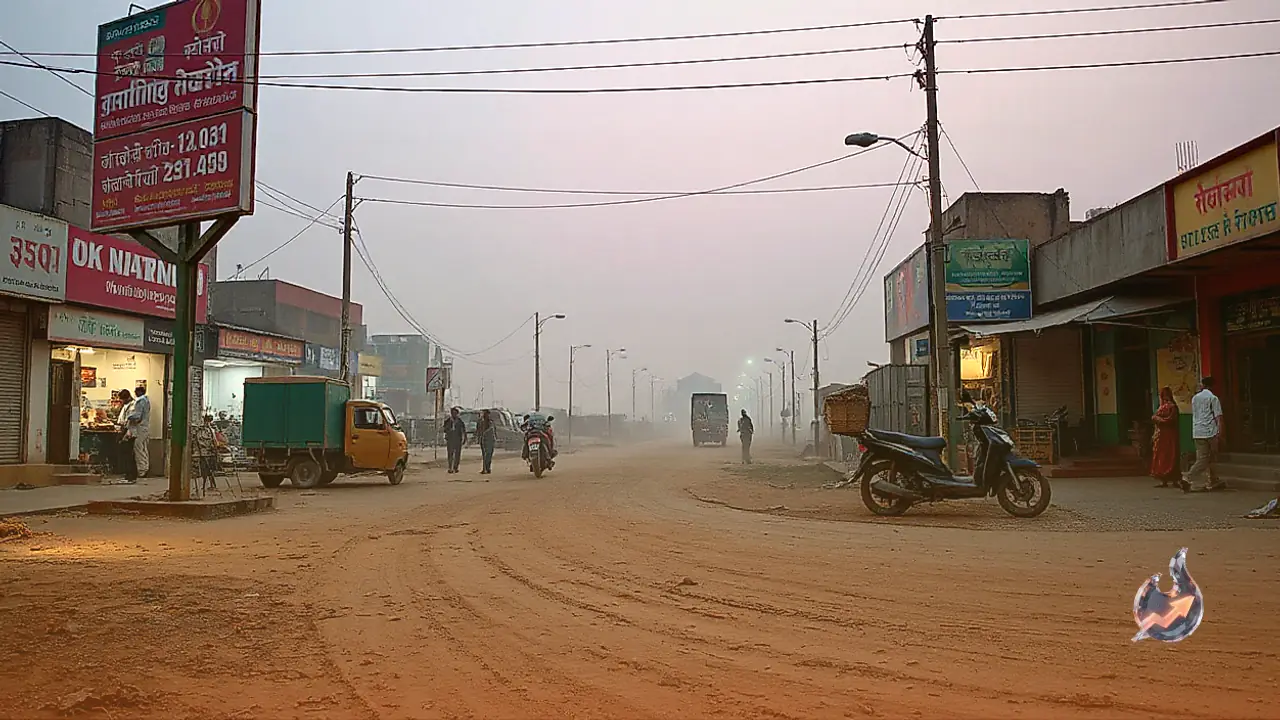
Providing insights into the heightened vulnerability during this season, Dr. Jitendra Verma, an Ayurvedic physician working at the Ambala Cantt Civil Hospital, highlighted that this specific time of year creates exceptionally sensitive conditions for allergy sufferers. The environment faces a simultaneous onslaught from two primary contributors. In rural and peri-urban sectors, the ongoing harvesting of paddy crops throws massive quantities of fine chaff and soil dust into the lower atmosphere. Simultaneously, festive firecrackers release dense chemical fumes containing toxic particulates. When these elements mingle, ambient air quality deteriorates sharply, severely irritating sensitive lungs. Individuals diagnosed with asthma or chronic allergic bronchitis must consciously distance themselves from all smoke and dust exposure.
Protective Measures Indoors and the Essential Role of N95 Masks
Respiratory patients should strictly refrain from venturing into areas where firecrackers are being set off. The microscopic pollutants in chemical fumes easily penetrate deep into lung tissues, causing continuous coughing fits, severe throat irritation, and breathing distress. Whenever stepping outside becomes unavoidable, individuals must wear a properly fitted N95 mask to filter out microscopic airborne irritants. Standard loose cloth coverings fail to provide sufficient filtration against such dense environmental contaminants.
Safeguarding indoor living spaces requires equal attention. If outdoor smoke starts seeping into rooms, residents should operate exhaust fans to actively purge the contaminated air outside, while indoor air purifiers can assist in capturing lingering particles. Additionally, individuals sensitive to dust should stay clear of active household cleaning routines where hidden dust gets disturbed into the air. Rooms exhibiting dampness on internal walls should be avoided, as moisture and mold spores frequently aggravate airway sensitivity. Caution must also be exercised when operating ceiling fans that may inadvertently disperse accumulated dust from their blades across living spaces.
Dietary Precautions and Reliever Inhaler Preparedness
While festive gatherings naturally encourage heavy consumption of traditional sweets and rich dishes, those vulnerable to respiratory flare-ups must manage their food intake cautiously. Dr. Jitendra Verma pointed out that specific food categories can trigger allergic cascades or exacerbate mucous congestion in vulnerable bodies. He specifically advised exercising restraint when consuming substantial amounts of ghee, rice, and sour pickles. Dietary modifications, however, should align with each individual's clinical condition and the direct guidance of their physician.
Crucially, every asthma patient must keep their prescribed reliever inhaler within immediate physical reach at all times. In urgent moments where the chest begins to constrict, this rescue medication rapidly opens narrowed airways to avert a full-blown medical crisis.
Navigating Emergencies and the Proper Role of Remedies
Experiencing a dry cough or mild irritation in the throat warrants steady consumption of warm drinking water to keep mucous membranes properly hydrated. However, individuals must recognize that inhaling steam or relying solely on home remedies is never a substitute for medical treatment during an acute asthma attack. Should breathlessness intensify or the prescribed reliever inhaler fail to deliver breathing relief, the patient must be transferred immediately to a hospital emergency room.
Regarding complementary therapies, Dr. Jitendra Verma referenced classical Ayurvedic remedies, including Sitopaladi Churna and related formulations. He underscored that patients should never initiate such herbal powders or medicines on their own initiative; all therapeutic courses must be guided by a qualified doctor's consultation. Ensuring that elderly citizens, young children, and respiratory patients remain sheltered from heavy smoke allows families to celebrate the festive season safely without compromising basic well-being.