






















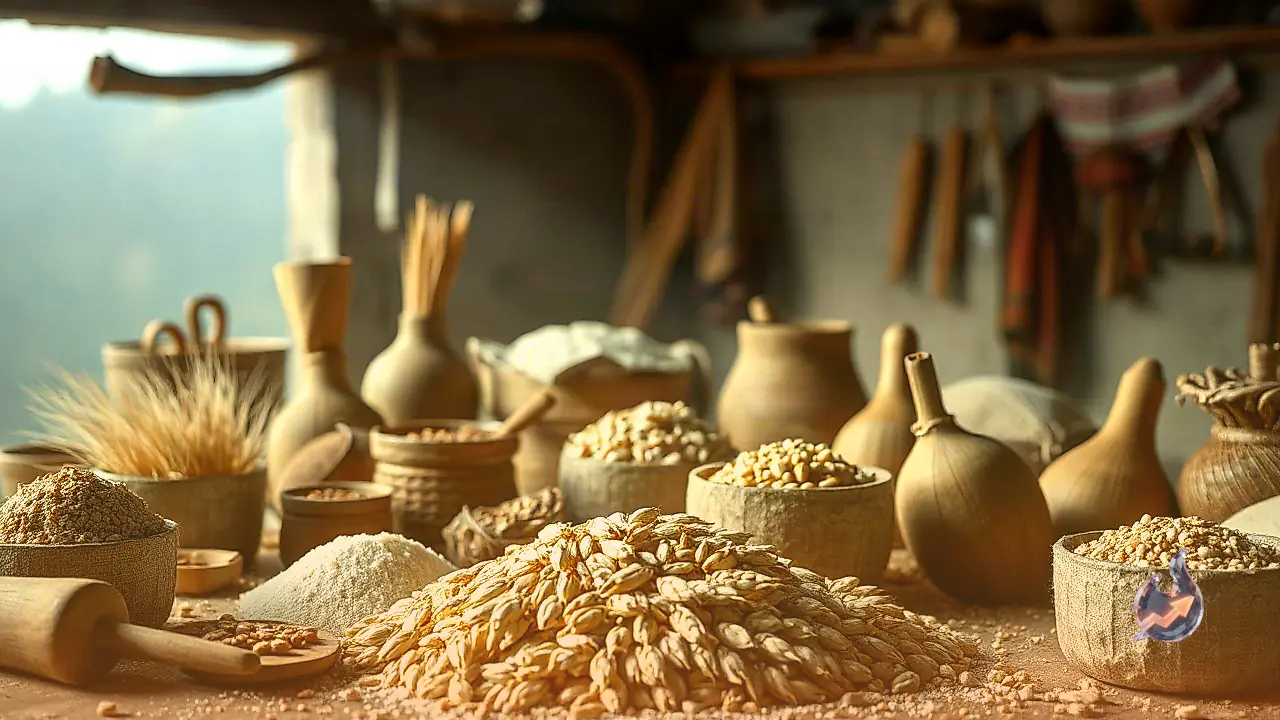

Traditional mountain kitchens have long maintained an immediate and practical link with the fields surrounding them. In earlier times, households rarely relied on a single grain, instead bringing together whatever seasonal harvests and pulses were available in the pantry to grind a wholesome flour. Known across Himalayan valleys as naurangi or satrangi flour, this time-honored preparation remains a dietary staple. By combining standard wheat with regional crops like manduwa, barley, buckwheat, maize, and indigenous pulses, mountain families produce a dough that brings distinct regional flavours and a broad spectrum of minerals to every meal.
Recommended Grain Proportions for a Balanced Five Kilogram Batch
According to Santoshi Devi, a local resident well versed in traditional culinary methods, the real benefit of this multigrain preparation lies in selecting the right variety of grains and maintaining their precise proportions. Preparing a standard 5 kg batch of mountain-style flour requires measured quantities to ensure the dough remains easy to handle while offering maximum nutrition. The recipe begins with 2.5 kg of wheat to form the bulk of the blend. To this base, 1 kg of manduwa is added. The mixture also incorporates 500 grams of ogal or fapar, 500 grams of barley, 250 grams of maize, and 250 grams of either black bhatt or soybeans, creating a balanced whole-grain flour profile.
Nutritional Breakdown and Textural Contributions of Each Ingredient
Every single ingredient in the satrangi combination serves an explicit culinary and dietary purpose. Wheat plays an indispensable structural role because its gluten provides the elasticity needed to bind the dough, allowing flatbreads to roll out smoothly without cracking. Manduwa, widely identified in other regions as finger millet or ragi, is a foundational mountain crop valued for supplying high levels of dietary fiber and essential calcium. Barley brings an extra dose of wholesome fiber to assist healthy digestion. The addition of ogal or buckwheat introduces a distinctive earthy taste and texture, setting the blend apart from ordinary market flours. Black bhatt and soybeans supply vital plant-based protein, and maize imparts a subtle sweetness and lighter mouthfeel to the finished flatbread.
Washing, Sun-Drying, and Grain Cleaning Steps
Making this traditional blend begins with thorough sorting and cleaning of every individual pulse and grain. All raw ingredients must be inspected to remove pebbles, grit, dust, and external debris that might ruin the texture during milling. Once cleaned, the grains are rinsed thoroughly under fresh water and spread out evenly under direct sunlight to dry. Ensuring total dehydration is critical at this stage. Any residual moisture trapped inside the kernels can cause the milled flour to spoil quickly, develop unpleasant odors, or foster fungal growth inside storage containers.
Roasting Techniques and Milling Options
Once dried, the black bhatt beans can undergo a quick culinary treatment before heading to the mill. Lightly roasting the black bhatt on a skillet enhances its aroma and draws out a deep, nutty flavor, although it is important not to over-roast or scorch the legumes. After this step, the combined ingredients can be taken to a traditional watermill, known locally as a gharaat, or processed in a standard electric flour mill. Those who prefer a smooth flatbread can pass the flour through a fine sieve to remove larger bran flakes, whereas consumers who enjoy rustic, coarse bread can use the whole flour directly without heavy sifting.
Safe Storage Guidelines and Traditional Cooking Uses
Proper preservation is essential for keeping the flour wholesome over extended periods. The freshly milled flour should be transferred into clean, dry, and airtight containers. It must be kept away from humidity, direct solar exposure, and pantry insects to prevent insect infestation and rancidity. Stored under these dry conditions, the flour preserves its aroma and nutrient profile for a long duration. Beyond regular daily rotis, this mountain-style flour serves as a versatile base for crisp parathas, rich traditional halwa, and multiple regional specialties. However, individuals making major modifications to their regular diet should always evaluate their personal health status, age, and dietary requirements. Anyone managing food allergies or specific medical conditions ought to consult a medical professional or dietary specialist before incorporating new grains into their meals.